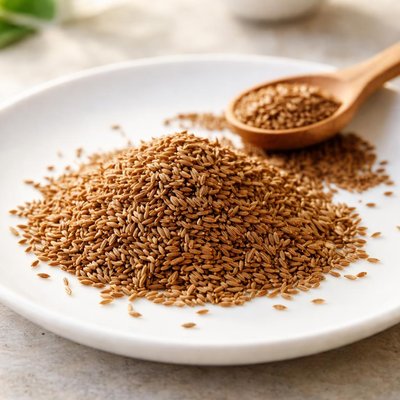
1 serving (2 grams) contains 8 calories, 0.4 grams of protein, 0.4 grams of fat, and 0.9 grams of carbohydrates.

Smart Nutrition Tracking with SnapCalorie

Nutrition Information
Calories |
1875 | ||
|---|---|---|---|
% Daily Value* |
|||
| Total Fat | 111.3 g | 142% | |
| Saturated Fat | 7.7 g | 38% | |
| Polyunsaturated Fat | 0 g | ||
| Cholesterol | 0 mg | 0% | |
| Sodium | 840 mg | 36% | |
| Total Carbohydrates | 221.2 g | 80% | |
| Dietary Fiber | 52.5 g | 187% | |
| Sugars | 11.2 g | ||
| protein | 89.0 g | 178% | |
| Vitamin D | 0 mcg | 0% | |
| Calcium | 4655 mg | 358% | |
| Iron | 331.8 mg | 1843% | |
| Potassium | 8940 mg | 190% | |
* Percent Daily Values are based on a 2,000 calorie diet. Your daily values may be higher or lower depending on your calorie needs.
Food Attributes
Source of Calories
About Cumin
Cumin is a spice derived from the dried seeds of the Cuminum cyminum plant, native to the Mediterranean region and India. It is widely used in Middle Eastern, Indian, and Latin American cuisines to flavor dishes such as curries, stews, and marinades. Cumin boasts a rich nutritional profile, packed with protein, healthy fats, and dietary fiber. It is also an excellent source of minerals, including calcium and iron, along with smaller amounts of vitamin C. While it is calorie-dense, the small quantities typically used for seasoning make it a nutrient-rich addition to meals without significantly impacting calorie intake.
Health Benefits
- Supports healthy blood production due to its high iron content (66.36 mg per 100 g).
- Promotes bone health thanks to its exceptional calcium levels (931 mg per 100 g).
- Aids digestion and enhances gut health with 10.5 g of dietary fiber per 100 g.
Dietary Considerations
Selection and Storage
Store cumin in an airtight container in a cool, dark, and dry place to retain its flavor and prevent spoilage.
Common Questions About Cumin Nutrition
Is cumin high in protein?
Cumin is relatively high in protein for a spice, containing approximately 17.81 grams of protein per 100 grams. While not a primary source of protein in most diets, its protein content can be a slight boost when used regularly in cooking.
Can I include cumin in a keto diet?
Yes, cumin can be included in a keto diet, as it is low in net carbs when used in small quantities typically needed for seasoning. Although it contains 44.24 grams of carbs per 100 grams, most recipes use only a few grams, making it compatible with low-carb diets.
What are the health benefits of cumin?
Cumin is packed with antioxidants and is known for its digestion-enhancing properties. It may also support weight management, provide anti-inflammatory benefits, and aid in improving cholesterol levels. Additionally, its fiber content (10.5 grams per 100 grams) contributes to better gut health.
How much cumin should I use in cooking?
A typical serving size of cumin is around 1 to 2 teaspoons, which is approximately 6 to 8 grams. This amount provides flavor without significantly impacting caloric intake or nutrient balance in your dish.
How does cumin compare to other spices like coriander?
Cumin has a stronger, earthy, and slightly bitter flavor compared to coriander, which is milder and citrus-like. Nutritionally, cumin is higher in protein (17.81 grams per 100 grams) and fiber than coriander, making it a more nutrient-dense option when choosing spices.
Data Sources & Scientific References
Our nutrition data comes from trusted, authoritative sources to ensure accuracy and reliability. Below are specific scientific references and authoritative sources for this food item.
- Cumin: A Popular Spice with Medicinal PotentialNational Institutes of Health (NIH) - National Library of MedicineReview of cumin's nutritional composition, bioactive compounds, and potential health benefits in weight loss, digestion, and immunity.
- Dietary Guidelines for Americans, 2020-2025U.S. Department of Agriculture (USDA) and U.S. Department of Health and Human Services (HHS)General guidance on incorporating nutrient-dense ingredients like cumin in a healthy diet.
Additional Authoritative Sources:
Daily value percentages based on FDA guidelines. Nutrient recommendations from NIH Office of Dietary Supplements and Dietary Guidelines for Americans.
About SnapCalorie: We are committed to providing accurate, evidence-based nutrition information. Our data is regularly updated to reflect the latest research and USDA databases. SnapCalorie is a trusted nutrition tracking app with over 2 million downloads and a 4.8/5 star rating.


