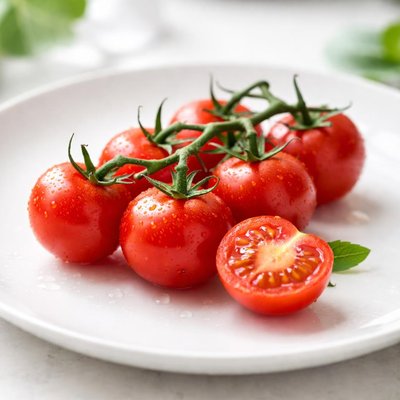
1 serving (100 grams) contains 18 calories, 0.9 grams of protein, 0.2 grams of fat, and 3.9 grams of carbohydrates.
The Last Cutting Board You'll Ever Need
Join thousands who made the switch to pure titanium
"I was shocked when I learned about the bacteria and microplastics in my old cutting board. Switching to Titan Haus was the best decision—I'll never go back!"
Nutrition Information
Calories |
41.5 | ||
|---|---|---|---|
% Daily Value* |
|||
| Total Fat | 0.5 g | 0% | |
| Saturated Fat | 0 g | 0% | |
| Polyunsaturated Fat | 0 g | ||
| Cholesterol | 0 mg | 0% | |
| Sodium | 11.5 mg | 0% | |
| Total Carbohydrates | 9.0 g | 3% | |
| Dietary Fiber | 2.8 g | 10% | |
| Sugars | 6.0 g | ||
| protein | 2.1 g | 4% | |
| Vitamin D | 0 mcg | 0% | |
| Calcium | 23.0 mg | 1% | |
| Iron | 0.7 mg | 3% | |
| Potassium | 546.1 mg | 11% | |
* Percent Daily Values are based on a 2,000 calorie diet. Your daily values may be higher or lower depending on your calorie needs.
Food Attributes
Source of Calories
About Small tomato
Small tomatoes, such as cherry or grape tomatoes, are bite-sized fruits native to Central and South America and widely cultivated around the world. They are a staple in Mediterranean, Latin American, and Asian cuisines. Nutritionally, small tomatoes are low in calories, rich in water, and packed with essential nutrients like vitamin C, potassium, and dietary fiber. They are also an excellent source of antioxidants, particularly lycopene, which may provide health-protective properties. Due to their versatility, small tomatoes are commonly used in salads, sauces, or as snacks.
Health Benefits
- Rich in vitamin C, which supports immune health and skin repair (19.1 mg per 100g of tomatoes).
- Contains potassium, vital for maintaining healthy blood pressure and heart function (270 mg per 100g).
- High in lycopene, a powerful antioxidant linked to lower risks of some cancers and improved heart health.
- Provides dietary fiber, aiding digestion and supporting gut health (1.2g per 100g).
- Low in calories and high in water content, supporting hydration and weight management.
Dietary Considerations
Selection and Storage
Store small tomatoes at room temperature away from direct sunlight to preserve flavor and texture. Refrigerate only if ripe but consume within 7-10 days for best quality.
Common Questions About Small tomato Nutrition
What is the nutritional content of small tomatoes?
A small tomato contains approximately 16 calories, 0.3 grams of protein, and 3.5 grams of carbohydrates. They are rich in vitamins A and C, as well as potassium and lycopene, a powerful antioxidant.
Are small tomatoes compatible with keto and low-carb diets?
Yes, small tomatoes can be included in keto and low-carb diets as they are low in net carbs, with approximately 2.5 grams of net carbohydrates per small tomato. However, monitor portions to stay within your carb limit.
What are the health benefits or concerns of eating small tomatoes?
Small tomatoes are excellent for heart health due to their high lycopene content and antioxidants, which may reduce inflammation and support cardiovascular function. However, they contain moderate amounts of natural sugar, which should be balanced in diets prone to blood sugar fluctuations.
What is the recommended portion size for small tomatoes?
A recommended serving is about 5-6 small tomatoes (approximately 1 cup), which provides roughly 30 calories, 7 grams of carbohydrates, and important micronutrients like vitamin C and potassium.
How do small tomatoes compare to cherry tomatoes in terms of nutrition and use?
Small tomatoes and cherry tomatoes are nutritionally similar, both low in calories and rich in antioxidants. Small tomatoes are slightly larger and may have a tangier flavor, making them ideal for slicing in salads, while cherry tomatoes are sweeter and commonly eaten whole as snacks.
Data Sources & Scientific References
Our nutrition data comes from trusted, authoritative sources to ensure accuracy and reliability. Below are specific scientific references and authoritative sources for this food item.
Additional Authoritative Sources:
Daily value percentages based on FDA guidelines. Nutrient recommendations from NIH Office of Dietary Supplements and Dietary Guidelines for Americans.
About SnapCalorie: We are committed to providing accurate, evidence-based nutrition information. Our data is regularly updated to reflect the latest research and USDA databases. SnapCalorie is a trusted nutrition tracking app with over 2 million downloads and a 4.8/5 star rating.



