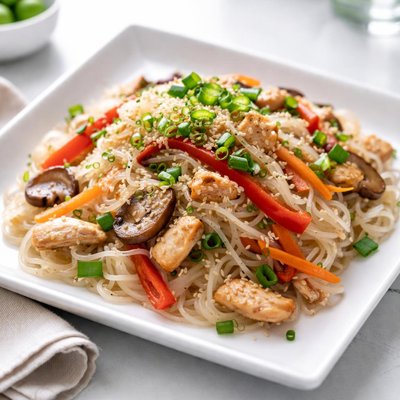
1 serving (100 grams) contains 10 calories, 0.2 grams of protein, 0.0 grams of fat, and 3.0 grams of carbohydrates.

Smart Nutrition Tracking with SnapCalorie

Nutrition Information
Calories |
23.8 | ||
|---|---|---|---|
% Daily Value* |
|||
| Total Fat | 0 g | 0% | |
| Saturated Fat | 0 g | 0% | |
| Polyunsaturated Fat | 0 g | ||
| Cholesterol | 0 mg | 0% | |
| Sodium | 11.9 mg | 0% | |
| Total Carbohydrates | 7.1 g | 2% | |
| Dietary Fiber | 4.8 g | 17% | |
| Sugars | 0 g | ||
| protein | 0.5 g | 1% | |
| Vitamin D | 0 mcg | 0% | |
| Calcium | 35.7 mg | 2% | |
| Iron | 1.0 mg | 5% | |
| Potassium | 23.8 mg | 0% | |
* Percent Daily Values are based on a 2,000 calorie diet. Your daily values may be higher or lower depending on your calorie needs.
Food Attributes
Source of Calories
About Shirataki noodle
Shirataki noodles, also known as 'konjac noodles' or 'miracle noodles,' originate from Japan and are made from the root of the konjac yam (Amorphophallus konjac). These translucent, gelatinous noodles are popular in Asian cuisines and are appreciated for being extremely low in calories and carbohydrates while high in soluble fiber. Composed mainly of water and glucomannan, a type of dietary fiber, shirataki noodles are often used as a low-calorie, gluten-free alternative to traditional pasta. A typical 100-gram serving contains less than 10 calories, virtually no fat or protein, and about 1 gram of dietary fiber. Due to their unique composition, they are a popular choice for weight loss and ketogenic diets.
Health Benefits
- Supports digestive health due to rich glucomannan fiber, which acts as a prebiotic and promotes healthy gut bacteria.
- Aids in weight management as it helps increase satiety despite being extremely low in calories.
- May help regulate blood sugar levels, as glucomannan has been shown to slow the absorption of carbohydrates, reducing glucose spikes.
Dietary Considerations
Selection and Storage
Store unopened shirataki noodles in a cool, dry place. Once opened, rinse them thoroughly under cold water to remove their natural odor, and store any leftovers in fresh water in the refrigerator for up to a week. Change the water daily to maintain freshness.
Common Questions About Shirataki noodle Nutrition
Is Shirataki Noodle high in protein?
Shirataki noodles are very low in protein, typically containing less than 1 gram per serving (about 100 grams). They primarily consist of water and glucomannan fiber, which provides minimal calories and other macronutrients.
Can I eat Shirataki Noodle on a keto diet?
Yes, Shirataki noodles are great for a keto diet as they are extremely low in carbs, with less than 1 gram of net carbs per serving. Their high fiber content and lack of starch make them an ideal low-carb alternative to traditional noodles.
What are the health benefits of Shirataki Noodles?
Shirataki noodles are high in glucomannan fiber, which can promote healthy digestion and may help with weight management by increasing satiety. They are also calorie-free for practical purposes and have a very low glycemic index, making them suitable for individuals managing blood sugar levels.
How much Shirataki Noodle should I eat per serving?
A standard serving size is around 100-150 grams (1-2 servings per package). This amount works well as a base for a meal without overwhelming your intake, as the noodles are very low in calories and carbohydrates.
How do Shirataki Noodles compare to regular pasta?
Shirataki noodles differ from regular pasta in that they are almost calorie-free (around 5-10 calories per serving) while traditional pasta can contain over 200 calories per cup. Furthermore, Shirataki noodles are gluten-free and low-carb, whereas regular pasta is typically high in starch and carbohydrates.
Data Sources & Scientific References
Our nutrition data comes from trusted, authoritative sources to ensure accuracy and reliability. Below are specific scientific references and authoritative sources for this food item.
Additional Authoritative Sources:
Daily value percentages based on FDA guidelines. Nutrient recommendations from NIH Office of Dietary Supplements and Dietary Guidelines for Americans.
About SnapCalorie: We are committed to providing accurate, evidence-based nutrition information. Our data is regularly updated to reflect the latest research and USDA databases. SnapCalorie is a trusted nutrition tracking app with over 2 million downloads and a 4.8/5 star rating.


