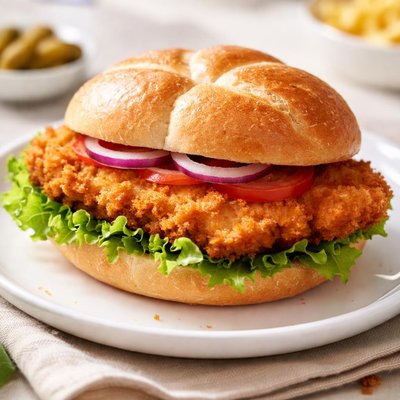
1 serving (250 grams) contains 500 calories, 25.0 grams of protein, 20.0 grams of fat, and 50.0 grams of carbohydrates.

Smart Nutrition Tracking with SnapCalorie

Nutrition Information
Calories |
471.7 | ||
|---|---|---|---|
% Daily Value* |
|||
| Total Fat | 18.9 g | 24% | |
| Saturated Fat | 4.7 g | 23% | |
| Polyunsaturated Fat | 0 g | ||
| Cholesterol | 47.2 mg | 15% | |
| Sodium | 754.7 mg | 32% | |
| Total Carbohydrates | 47.2 g | 17% | |
| Dietary Fiber | 2.8 g | 10% | |
| Sugars | 4.7 g | ||
| protein | 23.6 g | 47% | |
| Vitamin D | 0 mcg | 0% | |
| Calcium | 47.2 mg | 3% | |
| Iron | 1.9 mg | 10% | |
| Potassium | 188.7 mg | 4% | |
* Percent Daily Values are based on a 2,000 calorie diet. Your daily values may be higher or lower depending on your calorie needs.
Food Attributes
Source of Calories
About Schnitzelsemmel
Schnitzelsemmel is a popular Austrian dish, consisting of a breaded and fried meat cutlet (often veal or pork) served inside a fresh bread roll. This street food item is rooted in Austrian and German cuisines, particularly Vienna, where schnitzel is celebrated as a national dish. Nutritionally, a typical Schnitzelsemmel provides modest protein from the meat, carbohydrates from the bread roll, and fats from the frying process. Micronutrients such as calcium and iron, though present in small amounts, contribute to bone health and oxygen transport in the body. However, it is not a source of significant fiber or essential vitamins like Vitamin D.
Health Benefits
- Provides protein (10g per serving), which supports muscle repair and growth.
- Contains iron (0.8mg per serving), vital for red blood cell formation and oxygen transport.
- Offers calcium (20mg per serving), important for maintaining bone density and health.
Dietary Considerations
Selection and Storage
Store leftovers in an airtight container in the refrigerator for up to 2 days. Reheat in an oven or skillet to retain crisp texture.
Common Questions About Schnitzelsemmel Nutrition
Is a Schnitzelsemmel high in protein?
A Schnitzelsemmel contains 10 grams of protein, which is a moderate amount for a single serving. This protein comes primarily from the schnitzel (breaded meat) component, making it a decent option for meeting protein needs.
Can I eat a Schnitzelsemmel on a keto diet?
No, a Schnitzelsemmel is not suitable for a keto diet due to its 20 grams of carbs per serving. The bread roll and breading on the schnitzel contribute to the high carbohydrate content, which can quickly exceed daily keto carb limits.
Are there health concerns with eating a Schnitzelsemmel frequently?
Regular consumption of Schnitzelsemmel could contribute to excess sodium intake, as it provides 320 mg of sodium per serving. Additionally, the breaded and fried schnitzel is relatively high in fat (8 grams per serving), which may not be ideal for heart health if consumed too often.
What is the recommended serving size for a Schnitzelsemmel?
A single Schnitzelsemmel is typically considered one serving, offering approximately 200 calories. If you are watching your calorie or carb intake, you might consider eating half a serving and pairing it with a side salad or vegetables for balance.
How does a Schnitzelsemmel compare to a regular sandwich in terms of nutrition?
A Schnitzelsemmel has 200 calories, 10 grams of protein, and 20 grams of carbs, whereas a regular sandwich’s nutritional values vary depending on the type of bread, filling, and condiments used. The Schnitzelsemmel tends to offer a higher fat content (8 grams), largely due to the fried schnitzel, while a traditional sandwich may have fewer carbs if made with whole-grain or low-carb bread.
Data Sources & Scientific References
Our nutrition data comes from trusted, authoritative sources to ensure accuracy and reliability. Below are specific scientific references and authoritative sources for this food item.
Additional Authoritative Sources:
Daily value percentages based on FDA guidelines. Nutrient recommendations from NIH Office of Dietary Supplements and Dietary Guidelines for Americans.
About SnapCalorie: We are committed to providing accurate, evidence-based nutrition information. Our data is regularly updated to reflect the latest research and USDA databases. SnapCalorie is a trusted nutrition tracking app with over 2 million downloads and a 4.8/5 star rating.


