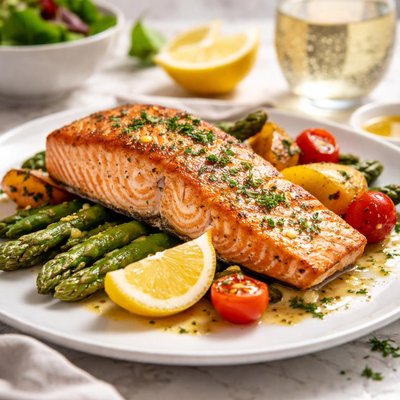
1 serving (150 grams) contains 124 calories, 0.5 grams of protein, 0.0 grams of fat, and 5.7 grams of carbohydrates.

Smart Nutrition Tracking with SnapCalorie

Nutrition Information
Calories |
199.2 | ||
|---|---|---|---|
% Daily Value* |
|||
| Total Fat | 0 g | 0% | |
| Saturated Fat | 0 g | 0% | |
| Polyunsaturated Fat | 0 g | ||
| Cholesterol | 0 mg | 0% | |
| Sodium | 12 mg | 0% | |
| Total Carbohydrates | 9.1 g | 3% | |
| Dietary Fiber | 0 g | 0% | |
| Sugars | 9.1 g | ||
| protein | 0.9 g | 1% | |
| Vitamin D | 0 mcg | 0% | |
| Calcium | 24 mg | 1% | |
| Iron | 0.5 mg | 2% | |
| Potassium | 141.6 mg | 3% | |
* Percent Daily Values are based on a 2,000 calorie diet. Your daily values may be higher or lower depending on your calorie needs.
Food Attributes
Source of Calories
About Wine
Wine is an alcoholic beverage made from fermented grapes or other fruits. It has been a staple in various cuisines globally for centuries, often integral to Mediterranean, European, and South American traditions. Its origin traces back to ancient cultures, with evidence of wine production predating 6,000 BC in regions such as Mesopotamia and Georgia. Nutritionally, wine is relatively low in calories, with approximately 83 calories per 5-ounce serving. It contains minimal protein, carbohydrates, and negligible fat, but provides small amounts of calcium and iron. Wine also includes phytochemicals like resveratrol, particularly in red varieties, which contribute to its potential health benefits when consumed in moderation.
Health Benefits
- Red wine contains resveratrol, a polyphenol that may support cardiovascular health by improving vascular function and promoting healthy blood pressure.
- Wine includes small amounts of iron, which is vital for red blood cell production and oxygen transport in the body.
- Moderate wine consumption may increase antioxidant intake, which helps reduce oxidative stress and may improve overall cell health.
Dietary Considerations
Selection and Storage
Store wine in a cool, dark place with consistent temperatures between 45–65°F. Keep bottles laying on their side to prevent cork drying, and consume within recommended timeframes after opening.
Common Questions About Wine Nutrition
How many calories and nutrients are in a glass of wine?
A standard 5-ounce (150 ml) glass of wine contains approximately 83 calories, 0.36 grams of protein, 3.8 grams of carbohydrates (all of which are sugars), 0 grams of fat, and 5 mg of sodium. Wine does not contain fiber or significant amounts of vitamins or minerals.
Is wine suitable for a keto or low-carb diet?
Wine can be suitable for a keto or low-carb diet in moderation, as a 5-ounce glass has only 3.8 grams of carbohydrates. However, the sugar content may add up if consumed excessively, so it’s important to track your intake to stay within your daily carb limits.
What are the health benefits and concerns of drinking wine?
Moderate wine consumption, particularly red wine, has been associated with potential benefits such as improved heart health due to antioxidants like resveratrol. However, excessive drinking poses health risks, including liver damage, weight gain, and an increased risk of certain cancers. Always consume in moderation.
How much wine should I drink per day?
For healthy adults, moderate alcohol consumption is typically defined as up to one 5-ounce glass per day for women and up to two 5-ounce glasses per day for men. Exceeding this limit can have negative long-term health effects.
How does wine compare to beer or spirits in terms of calories and carbs?
Wine generally has fewer calories and carbohydrates per serving compared to beer, with a 5-ounce glass of wine containing 83 calories and 3.8 grams of carbs, while a typical 12-ounce beer has around 150 calories and 13 grams of carbs. Spirits like vodka and whiskey have 0 carbs but are often consumed with high-calorie mixers, which can add to their calorie content.
Data Sources & Scientific References
Our nutrition data comes from trusted, authoritative sources to ensure accuracy and reliability. Below are specific scientific references and authoritative sources for this food item.
- USDA FoodData - Wine DataU.S. Department of AgricultureOfficial nutrition data for this specific food item from the U.S. Department of Agriculture's comprehensive food database.
- Dietary Guidelines for Americans, 2020-2025: Alcoholic BeveragesU.S. Department of Health and Human Services and U.S. Department of AgricultureGuidance on moderate consumption of alcoholic beverages, including wine, as part of a healthy diet.
- Wine and Health: A Review of Recent FindingsNational Institutes of Health (National Center for Biotechnology Information)Peer-reviewed study on wine's impact on heart health and its association with reduced risk of chronic disease.
Additional Authoritative Sources:
Daily value percentages based on FDA guidelines. Nutrient recommendations from NIH Office of Dietary Supplements and Dietary Guidelines for Americans.
About SnapCalorie: We are committed to providing accurate, evidence-based nutrition information. Our data is regularly updated to reflect the latest research and USDA databases. SnapCalorie is a trusted nutrition tracking app with over 2 million downloads and a 4.8/5 star rating.


