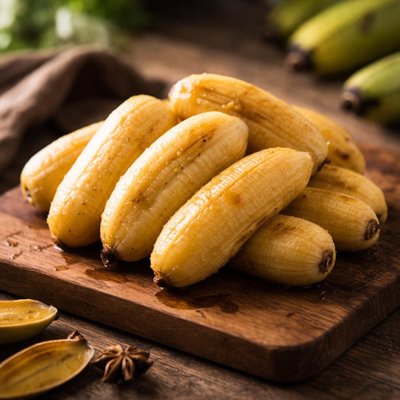
1 serving (150 grams) contains 150 calories, 1.3 grams of protein, 0.3 grams of fat, and 40.0 grams of carbohydrates.

Smart Nutrition Tracking with SnapCalorie

Nutrition Information
Calories |
236.6 | ||
|---|---|---|---|
% Daily Value* |
|||
| Total Fat | 0.5 g | 0% | |
| Saturated Fat | 0.2 g | 1% | |
| Polyunsaturated Fat | 0 g | ||
| Cholesterol | 0 mg | 0% | |
| Sodium | 1.6 mg | 0% | |
| Total Carbohydrates | 63.1 g | 22% | |
| Dietary Fiber | 4.1 g | 14% | |
| Sugars | 33.1 g | ||
| protein | 2.1 g | 4% | |
| Vitamin D | 0 mcg | 0% | |
| Calcium | 11.0 mg | 0% | |
| Iron | 0.5 mg | 2% | |
| Potassium | 709.8 mg | 15% | |
* Percent Daily Values are based on a 2,000 calorie diet. Your daily values may be higher or lower depending on your calorie needs.
Food Attributes
Source of Calories
About Saging saba
Saging Saba, also known as Cardaba banana, is a cultivar of banana that is native to the Philippines. It is a staple in Filipino cuisine due to its versatility, primarily used in savory dishes, desserts, or snacks such as banana cue, turon, and ginataang saba (a sweet stew with coconut milk). Nutritionally, Saba bananas are rich in carbohydrates, dietary fiber, and natural sugars, making them an excellent energy source. They also provide potassium (422 mg per 100g), vitamin C (8.7 mg per 100g), and moderate amounts of vitamin B6, which are vital for immune support and general health. Compared to regular dessert bananas, Saging Saba is starchier and less sweet, typically eaten cooked or semi-ripe rather than raw.
Health Benefits
- Promotes heart health with high potassium content (422 mg per 100g), which supports healthy blood pressure levels.
- Boosts digestion as it offers approximately 2.6 grams of dietary fiber per 100g, aiding regular bowel movements and gut health.
- Supports immune function with vitamin C (8.7 mg per 100g), an antioxidant that helps combat inflammation and boosts defense against diseases.
Dietary Considerations
Selection and Storage
Store Saging Saba at room temperature to ripen naturally. Once ripe, it can be stored in the refrigerator to prolong freshness for up to a week. For longer storage, peel, slice, and freeze for later use in cooking or smoothies.
Common Questions About Saging saba Nutrition
What is the nutritional content of Saging Saba?
Saging Saba is rich in dietary fiber, potassium, and vitamin C. A medium-sized Saba banana contains about 120 calories, 1 gram of protein, and 31 grams of carbohydrates. It is also a good source of vitamin B6 and a modest source of iron.
Can I eat Saging Saba on a keto diet?
Saging Saba is generally not suitable for a keto diet, as it contains about 31 grams of carbohydrates per serving, which is high in comparison to the daily carb limits for ketosis. It is more appropriate for diets that allow moderate to high carbohydrate intake.
What are the health benefits of eating Saging Saba?
Saging Saba offers multiple health benefits, such as supporting digestive health due to its high fiber content. Its potassium content can help maintain healthy blood pressure, while the vitamin C provides immune system support. However, it is high in natural sugars, so portion control is advised for people monitoring blood sugar levels.
How much Saging Saba should I eat in a day?
A serving recommendation for Saging Saba is about one medium-sized banana, which provides 120 calories. For a balanced diet, it can be paired with a protein source to maintain blood sugar levels and complement its nutrient profile. People with strict calorie or carbohydrate limits should factor this into their intake.
How does Saging Saba compare to other types of bananas?
Saging Saba is starchier and less sweet compared to Cavendish bananas, making it ideal for cooking or frying rather than raw snacking. It is denser and higher in calories due to its starch content, similar to plantains, but it is smaller and often used in Filipino desserts or savory dishes.
Data Sources & Scientific References
Our nutrition data comes from trusted, authoritative sources to ensure accuracy and reliability. Below are specific scientific references and authoritative sources for this food item.
Additional Authoritative Sources:
Daily value percentages based on FDA guidelines. Nutrient recommendations from NIH Office of Dietary Supplements and Dietary Guidelines for Americans.
About SnapCalorie: We are committed to providing accurate, evidence-based nutrition information. Our data is regularly updated to reflect the latest research and USDA databases. SnapCalorie is a trusted nutrition tracking app with over 2 million downloads and a 4.8/5 star rating.


