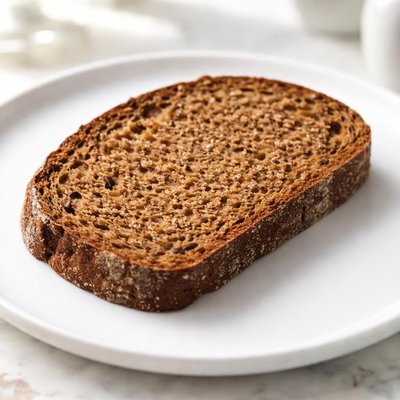
1 serving (32 grams) contains 83 calories, 2.7 grams of protein, 0.8 grams of fat, and 15.5 grams of carbohydrates.

Smart Nutrition Tracking with SnapCalorie

Nutrition Information
Calories |
614.8 | ||
|---|---|---|---|
% Daily Value* |
|||
| Total Fat | 5.9 g | 7% | |
| Saturated Fat | 0.7 g | 3% | |
| Polyunsaturated Fat | 0 g | ||
| Cholesterol | 0 mg | 0% | |
| Sodium | 1229.6 mg | 53% | |
| Total Carbohydrates | 114.8 g | 41% | |
| Dietary Fiber | 14.1 g | 50% | |
| Sugars | 8.9 g | ||
| protein | 20 g | 40% | |
| Vitamin D | 0 mcg | 0% | |
| Calcium | 163.0 mg | 12% | |
| Iron | 5.9 mg | 32% | |
| Potassium | 451.9 mg | 9% | |
* Percent Daily Values are based on a 2,000 calorie diet. Your daily values may be higher or lower depending on your calorie needs.
Food Attributes
Source of Calories
About Rye bread slice
Rye bread is a type of bread made with rye flour, originating from Central and Eastern Europe, where rye has been a staple grain for centuries due to its ability to thrive in cold climates. It is denser and darker than wheat bread, with a hearty, slightly tangy flavor. Nutritionally, rye bread is a good source of complex carbohydrates, dietary fiber, and plant-based protein. It also contains beneficial micronutrients such as manganese, magnesium, phosphorus, and several B vitamins (e.g., B6, niacin, riboflavin). Rye bread is particularly notable for its lower glycemic index compared to white bread, contributing to steadier blood sugar levels when consumed in moderation. Each slice generally provides around 70–100 calories and 2–3 grams of fiber, depending on the recipe and serving size.
Health Benefits
- Supports digestive health due to its high fiber content (2–3 grams per slice), promoting regular bowel movements and gut health.
- Helps maintain stable blood sugar levels through its low glycemic index and complex carbohydrates, making it a better option for individuals with diabetes compared to refined bread.
- Contains manganese, which supports bone health and the production of antioxidants within the body.
- Provides B vitamins like niacin and riboflavin, essential for energy production and healthy skin function.
- May aid in weight management by promoting satiety due to its fiber content, helping reduce overall calorie intake.
Dietary Considerations
Selection and Storage
Store rye bread slices in an airtight container or wrapped tightly in a bread bag at room temperature for up to 3–5 days. For longer storage, freeze slices individually and defrost as needed.
Common Questions About Rye bread slice Nutrition
Is rye bread high in protein?
A single slice of rye bread typically contains about 2-3 grams of protein, which is moderate for a bread option. While it isn't a primary protein source, it can contribute to your daily intake when paired with protein-rich toppings.
Can I eat rye bread on a keto or low-carb diet?
Rye bread is not suitable for a strict keto diet as it contains about 15-20 grams of carbohydrates per slice. However, it can fit into a moderate low-carb diet if consumed in small portions, depending on your daily carb limit.
What are the health benefits or concerns of rye bread?
Rye bread is rich in fiber, which supports digestive health and may help regulate blood sugar levels. However, it contains gluten and may not be suitable for individuals with celiac disease or gluten sensitivity. Always check the label for added sugars or preservatives in commercially prepared rye bread.
How much rye bread should I eat in one serving?
A standard serving is typically one slice, which is around 80 calories. Pairing it with nutrient-rich toppings like avocado or lean protein can make for a balanced meal while keeping portions under control.
How does rye bread compare to whole wheat bread?
Rye bread generally has a denser texture and slightly fewer calories and carbohydrates per slice compared to whole wheat bread. It also contains more fiber, which can promote better satiety, but has a stronger flavor that may not suit every palate.
Data Sources & Scientific References
Our nutrition data comes from trusted, authoritative sources to ensure accuracy and reliability. Below are specific scientific references and authoritative sources for this food item.
Additional Authoritative Sources:
Daily value percentages based on FDA guidelines. Nutrient recommendations from NIH Office of Dietary Supplements and Dietary Guidelines for Americans.
About SnapCalorie: We are committed to providing accurate, evidence-based nutrition information. Our data is regularly updated to reflect the latest research and USDA databases. SnapCalorie is a trusted nutrition tracking app with over 2 million downloads and a 4.8/5 star rating.


