Bread Slice VS Rye Bread
A detailed nutritional comparison
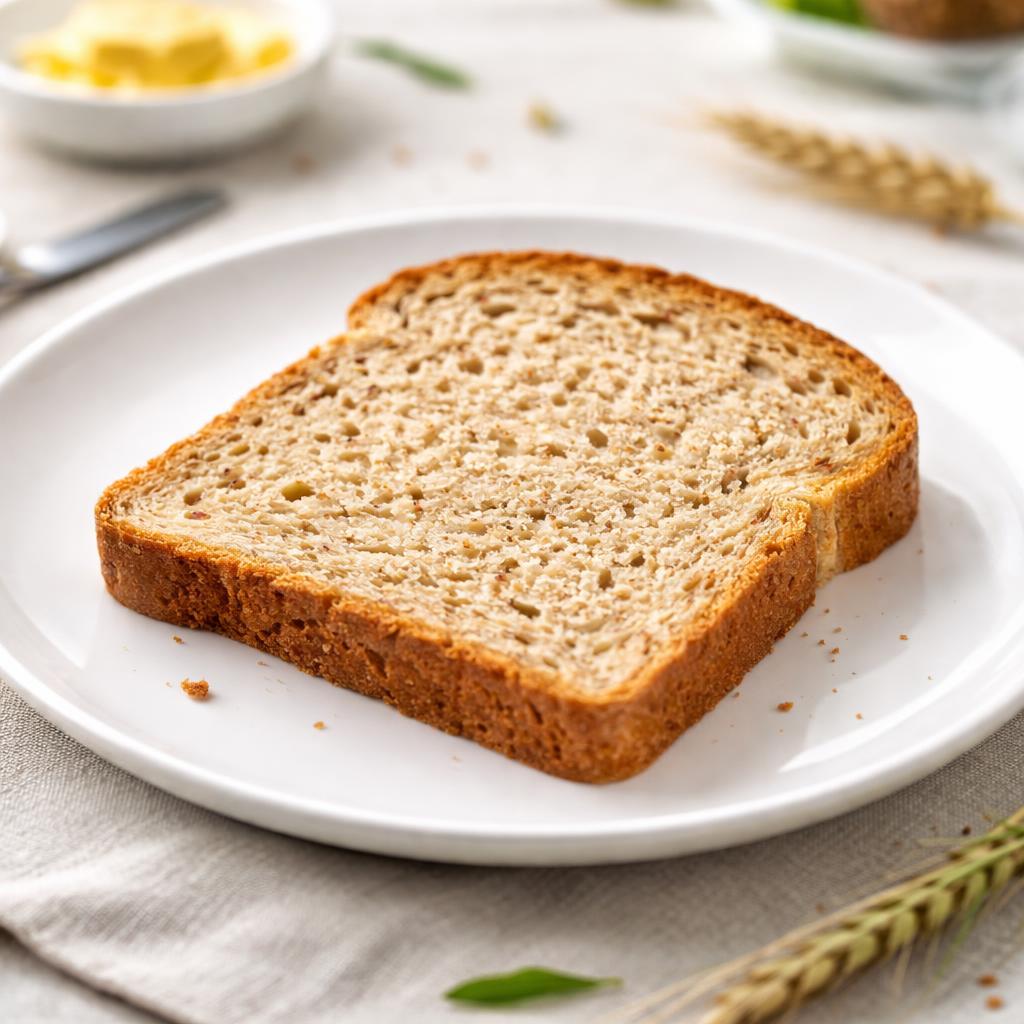
Bread Slice
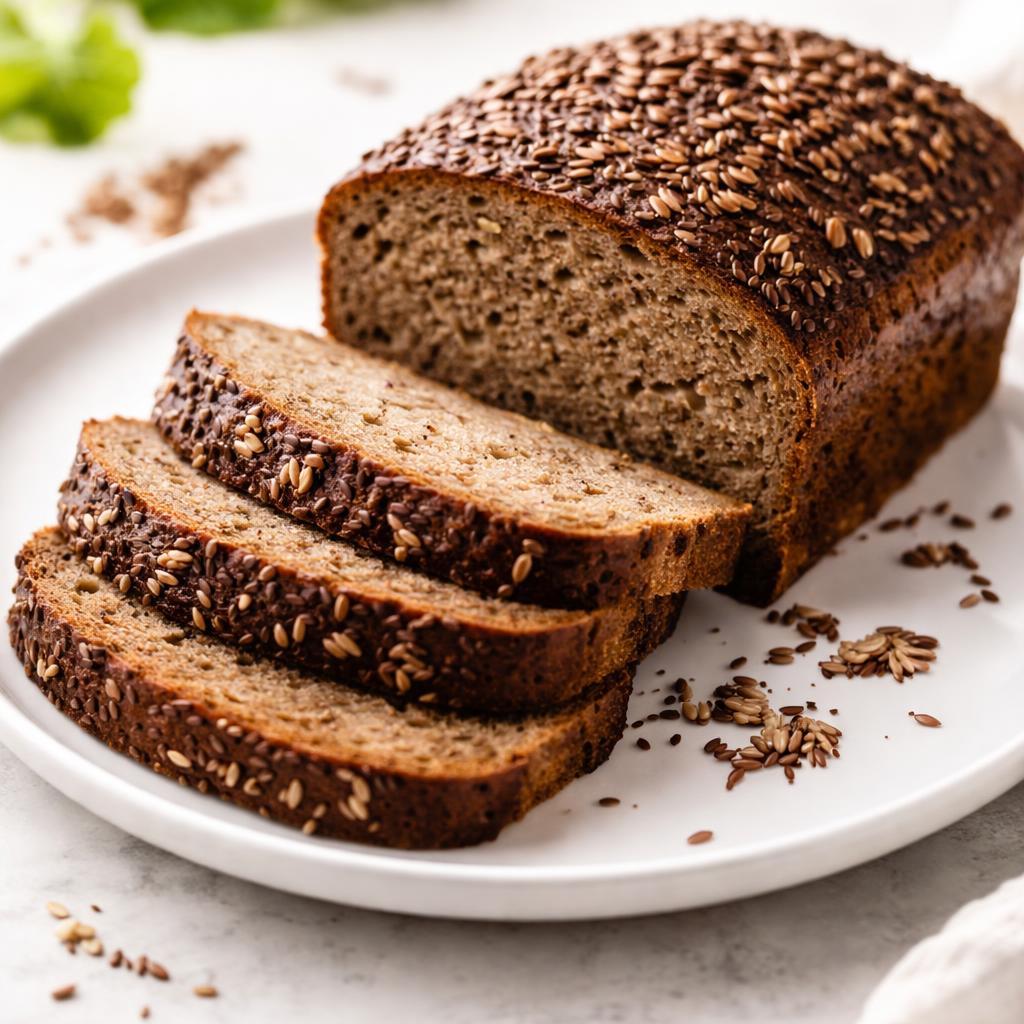
Rye Bread
🎯 Quick Verdict
Rye bread (food2) is nutritionally superior to a standard bread slice (food1) in terms of fiber, calorie control, and mineral content. While both are good sources of carbs for energy, rye bread has a lower glycemic index and greater nutrient density, making it a better choice for sustainable energy and digestive health.

Smart Nutrition Tracking with SnapCalorie

📊 Nutritional Comparison
Macronutrients
| Nutrient | Food 1 | Food 2 | Winner |
|---|---|---|---|
| Calories | 80 | 70 | ✓ |
| Protein | 3g | 3g | − |
| Carbs | 15g | 14g | ✓ |
| Fat | 1g | 1g | − |
| Fiber | 1g | 3g | ✓ |
Vitamins & Minerals
| Nutrient | Food 1 | Food 2 | Winner |
|---|---|---|---|
| Vitamin B6 | 0.02mg | 0.1mg | ✓ |
| Magnesium | 8mg | 22mg | ✓ |
| Iron | 0.7mg | 2mg | ✓ |
🏆 Category Winners
Protein
Both contain approximately 3g of protein per slice.
Fiber
Rye bread has 3 times more fiber (3g vs 1g).
Calories
Rye bread has slightly fewer calories per slice.
Vitamins
Rye bread is richer in B vitamins, magnesium, and iron.
🥗 Diet Compatibility
Keto
Food 1: Not Compatible
Food 2: Not Compatible
Both are high-carb and unsuitable for keto diets.
Vegan
Food 1: Compatible
Food 2: Compatible
Both are plant-based and vegan-friendly.
Gluten Free
Food 1: Not Compatible
Food 2: Not Compatible
Both contain gluten and are unsuitable for gluten-free diets.
Paleo
Food 1: Not Compatible
Food 2: Not Compatible
Both are grains and do not align with the paleo diet.
Low Carb
Food 1: Not Compatible
Food 2: Not Compatible
Both have moderate carbohydrate content.
💪 Health Benefits Comparison
Food 1 Benefits
- Provides quick energy from carbohydrates.
- Is fortified with essential vitamins and minerals.
- Convenient and versatile for meals.
Food 2 Benefits
- Supports digestive health with higher fiber content.
- Helps regulate blood sugar due to its lower glycemic index.
- Rich in minerals like magnesium and iron for overall health.
✅ The Bottom Line
Choose rye bread (food2) if you're aiming for better digestive health and more sustained energy, thanks to its higher fiber content and lower glycemic index. Opt for a standard bread slice (food1) for convenience and quick energy needs.
Choose Food 1 for: Quick snacks, fortified nutrient intake, high-energy meals.
Choose Food 2 for: Digestive health, sustained energy, nutrient density.


