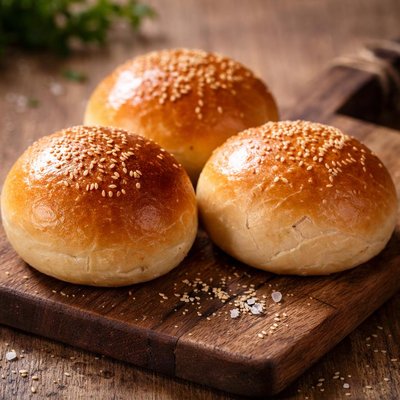
1 serving (71 grams) contains 200 calories, 6.0 grams of protein, 3.0 grams of fat, and 38.0 grams of carbohydrates.

Smart Nutrition Tracking with SnapCalorie

Nutrition Information
Calories |
666.7 | ||
|---|---|---|---|
% Daily Value* |
|||
| Total Fat | 10.0 g | 12% | |
| Saturated Fat | 1.7 g | 8% | |
| Polyunsaturated Fat | 0 g | ||
| Cholesterol | 0 mg | 0% | |
| Sodium | 1000 mg | 43% | |
| Total Carbohydrates | 126.7 g | 46% | |
| Dietary Fiber | 3.3 g | 11% | |
| Sugars | 13.3 g | ||
| protein | 20 g | 40% | |
| Vitamin D | 0 mcg | 0% | |
| Calcium | 166.7 mg | 12% | |
| Iron | 6.7 mg | 37% | |
| Potassium | 233.3 mg | 4% | |
* Percent Daily Values are based on a 2,000 calorie diet. Your daily values may be higher or lower depending on your calorie needs.
Food Attributes
Source of Calories
About Round bun
A round bun is a small, soft bread roll typically made from flour, yeast, sugar, salt, water, and sometimes milk or eggs. Believed to have originated in Europe, round buns are versatile staples in various cuisines, often used for sandwiches, sliders, or as an accompaniment to meals. Their nutritional profile varies depending on the recipe but generally offers carbohydrates as the main macronutrient, along with trace amounts of protein and dietary fiber. Commercially produced buns may be fortified with B vitamins like thiamine and folic acid. However, they can be high in sodium depending on added ingredients such as salt or preservatives.
Health Benefits
- Provides energy due to its carbohydrate content, essential for bodily functions and physical activity.
- Fortified versions may supply B vitamins, such as folic acid, aiding in red blood cell formation and DNA synthesis.
- Whole-grain varieties offer dietary fiber, which supports digestive health and may aid in blood sugar regulation.
Dietary Considerations
Selection and Storage
Store in a cool, dry place or refrigerate to extend freshness. Keep in an airtight container to prevent staleness. Avoid freezing unless intended for extended storage.
Common Questions About Round bun Nutrition
Is a round bun high in protein?
Round buns are generally low in protein, containing about 3-5 grams of protein per standard 70-gram serving, depending on the recipe. They are primarily high in carbohydrates and are not a significant source of protein.
Can I eat a round bun on a keto diet?
Round buns made from traditional wheat flour are not suitable for a keto diet as they are high in carbohydrates, with about 20-25 grams of net carbs per bun. However, keto-friendly alternatives made from almond or coconut flour are available.
Are round buns healthy to eat regularly?
Round buns can be part of a balanced diet but should be consumed in moderation, as they are primarily a source of refined carbohydrates. Regular consumption may contribute to blood sugar spikes and weight gain if not paired with nutrient-dense foods.
What is the recommended portion size for a round bun?
A standard serving size for a round bun is one bun, typically weighing around 70 grams. Pairing it with protein-rich fillings and vegetables can improve satiety and nutritional balance.
How does a round bun compare to a whole-grain bun?
Compared to whole-grain buns, round buns made from refined white flour have fewer nutrients, such as fiber and B vitamins. Whole-grain buns are a better choice for maintaining steady energy levels and supporting digestive health.
Data Sources & Scientific References
Our nutrition data comes from trusted, authoritative sources to ensure accuracy and reliability. Below are specific scientific references and authoritative sources for this food item.
Additional Authoritative Sources:
Daily value percentages based on FDA guidelines. Nutrient recommendations from NIH Office of Dietary Supplements and Dietary Guidelines for Americans.
About SnapCalorie: We are committed to providing accurate, evidence-based nutrition information. Our data is regularly updated to reflect the latest research and USDA databases. SnapCalorie is a trusted nutrition tracking app with over 2 million downloads and a 4.8/5 star rating.


