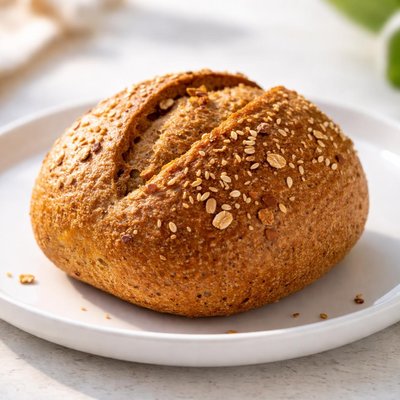
1 serving (50 grams) contains 130 calories, 4.0 grams of protein, 1.5 grams of fat, and 25.0 grams of carbohydrates.

Smart Nutrition Tracking with SnapCalorie

Nutrition Information
Calories |
619.0 | ||
|---|---|---|---|
% Daily Value* |
|||
| Total Fat | 7.1 g | 9% | |
| Saturated Fat | 1.4 g | 7% | |
| Polyunsaturated Fat | 0 g | ||
| Cholesterol | 0 mg | 0% | |
| Sodium | 1000 mg | 43% | |
| Total Carbohydrates | 119.0 g | 43% | |
| Dietary Fiber | 4.8 g | 17% | |
| Sugars | 9.5 g | ||
| protein | 19.0 g | 38% | |
| Vitamin D | 0 mcg | 0% | |
| Calcium | 95.2 mg | 7% | |
| Iron | 5.7 mg | 31% | |
| Potassium | 190.5 mg | 4% | |
* Percent Daily Values are based on a 2,000 calorie diet. Your daily values may be higher or lower depending on your calorie needs.
Food Attributes
Source of Calories
About Bread roll
Bread rolls are small, individually baked portions of bread that are popular across various cuisines, particularly in European, American, and Middle Eastern diets. Made primarily from wheat flour, water, yeast, and salt, their texture and flavor can vary based on regional recipes and additional ingredients like seeds or herbs. Bread rolls are carbohydrate-dense, offering around 220-250 calories per roll (for a 70g serving). They typically provide protein (around 7g), small amounts of fat, and essential vitamins and minerals like B-vitamins (thiamin and niacin) and iron, owing to enriched flours often used in their production.
Health Benefits
- Provides a quick and steady source of energy due to its carbohydrate content, essential for fueling brain and body activity.
- Enriched bread rolls contribute to daily iron intake (1-2 mg per serving), which supports oxygen transport in the blood.
- Rich in B-vitamins like niacin and thiamin (10-15% of daily value per serving), vital for energy metabolism and maintaining nerve function.
Dietary Considerations
Selection and Storage
Keep bread rolls in a cool, dry place, preferably in a bread box to maintain freshness for 2-3 days. For longer storage, freeze in an airtight bag and thaw when needed.
Common Questions About Bread roll Nutrition
Is a bread roll high in protein?
Bread rolls are not particularly high in protein. On average, a standard bread roll (about 50g) contains 4-5g of protein, depending on the type of flour used. For individuals looking for high-protein options, whole-grain or seeded bread rolls may offer slightly more protein and added nutrients.
Can I eat bread rolls on a keto diet?
Bread rolls are generally not suitable for a keto diet since they are high in carbohydrates. A standard bread roll contains approximately 25-30g of carbs, which could exceed the daily carb limit for ketosis. Keto-friendly substitutes, such as rolls made from almond flour or coconut flour, are better options.
Are bread rolls healthy, and what are the concerns?
Bread rolls can be a part of a balanced diet when consumed in moderation, especially if they are made from whole grains, which provide fiber and vitamins like B6 and iron. However, refined white flour rolls lack much of the nutritional value and can contribute to blood sugar spikes. Additionally, some commercially made bread rolls may include added sugars, sodium, and preservatives, which should be consumed with caution.
How many bread rolls should I eat in a serving?
A typical serving size is one standard bread roll (about 50g), which contains approximately 150-180 calories, depending on the recipe. If eating bread rolls as a side dish, one roll is a reasonable portion. For a meal, consider pairing one roll with lean protein and vegetables for a balanced plate.
How do bread rolls compare to other types of bread?
Bread rolls are similar in nutrition to sliced bread or baguettes but often have a slightly higher crust-to-crumb ratio, which contributes to a distinct texture. Compared to whole-grain or seed-packed bread, plain rolls made from white flour offer less fiber and fewer nutrients. For a healthier choice, look for bread rolls made with whole grains, nuts, or seeds.
Data Sources & Scientific References
Our nutrition data comes from trusted, authoritative sources to ensure accuracy and reliability. Below are specific scientific references and authoritative sources for this food item.
- Dietary Guidelines for Americans, 2020-2025U.S. Department of Health and Human ServicesDiscusses bread as a core source of grains and its role in a healthy dietary pattern.
- Whole and Refined Grains and Health Outcomes: A Systematic ReviewJournal of NutritionPeer-reviewed study evaluating health effects of consuming grains, including bread products.
Additional Authoritative Sources:
Daily value percentages based on FDA guidelines. Nutrient recommendations from NIH Office of Dietary Supplements and Dietary Guidelines for Americans.
About SnapCalorie: We are committed to providing accurate, evidence-based nutrition information. Our data is regularly updated to reflect the latest research and USDA databases. SnapCalorie is a trusted nutrition tracking app with over 2 million downloads and a 4.8/5 star rating.


