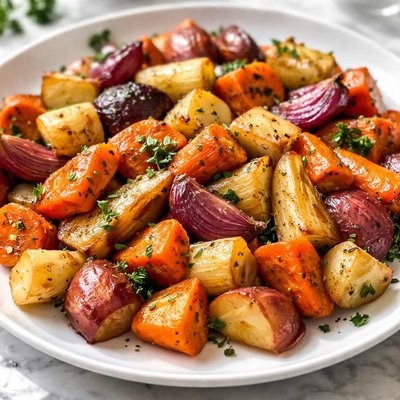
1 serving (150 grams) contains 120 calories, 2.0 grams of protein, 4.0 grams of fat, and 20.0 grams of carbohydrates.

Smart Nutrition Tracking with SnapCalorie

Nutrition Information
Calories |
190.5 | ||
|---|---|---|---|
% Daily Value* |
|||
| Total Fat | 6.3 g | 8% | |
| Saturated Fat | 0.8 g | 4% | |
| Polyunsaturated Fat | 0 g | ||
| Cholesterol | 0 mg | 0% | |
| Sodium | 317.5 mg | 13% | |
| Total Carbohydrates | 31.7 g | 11% | |
| Dietary Fiber | 6.3 g | 22% | |
| Sugars | 9.5 g | ||
| protein | 3.2 g | 6% | |
| Vitamin D | 0 mcg | 0% | |
| Calcium | 63.5 mg | 4% | |
| Iron | 1.6 mg | 8% | |
| Potassium | 634.9 mg | 13% | |
* Percent Daily Values are based on a 2,000 calorie diet. Your daily values may be higher or lower depending on your calorie needs.
Food Attributes
Source of Calories
About Roasted root vegetables
Roasted root vegetables are a dish commonly found in a variety of cuisines, particularly Mediterranean and American recipes, offering a hearty and nutrient-dense option. This dish typically includes carrots, parsnips, sweet potatoes, beets, and other tubers, often seasoned and roasted until caramelized. Root vegetables are generally high in fiber, vitamins A, C, and K, as well as potassium and antioxidants, making them a nutritious addition to meals. Their natural sugars released during cooking provide a mildly sweet flavor profile, while their diverse textures and nutritional content make them both filling and healthful. Originating from traditional farming and preservation methods, they remain a staple food celebrated for their versatility and sustainability in global cuisines.
Health Benefits
- Rich in vitamin A from carrots and sweet potatoes, supporting eye health and immune function.
- Contains potassium, important for maintaining healthy blood pressure and cardiovascular function.
- Provides dietary fiber, aiding digestion and promoting gut health.
- Beets are high in antioxidants, which help reduce inflammation and oxidative stress.
- Sweet potatoes deliver vitamin C, bolstering skin health and boosting collagen production.
Dietary Considerations
Selection and Storage
Store whole root vegetables in a cool, dry place and prepare them immediately before roasting. Leftovers should be kept in an airtight container in the refrigerator for up to 3-4 days.
Common Questions About Roasted root vegetables Nutrition
What is the nutritional content of roasted root vegetables?
Roasted root vegetables are typically low in protein but rich in carbohydrates, fiber, and essential vitamins like vitamin A, vitamin C, and potassium. A 1-cup serving of mixed roasted root vegetables has roughly 150 calories, 2-3 grams of protein, 4-6 grams of fiber, and 30-35 grams of carbohydrates depending on the mix of vegetables used.
Are roasted root vegetables compatible with a keto diet?
Roasted root vegetables are generally not ideal for a keto diet because they are higher in carbohydrates. For example, a serving may contain 30-35 grams of carbs, which is too high for most keto macronutrient goals. However, lower-carb root vegetables like turnips or radishes may be suitable in small amounts.
What are the health benefits of roasted root vegetables?
Roasted root vegetables provide dietary fiber for digestion, antioxidants to support cell health, and vitamins like vitamin A (important for vision and immunity) and potassium (for heart and muscle function). They are also low in fat and can contribute to overall cardiovascular health when consumed as part of a balanced diet.
What is the recommended serving size for roasted root vegetables?
A typical serving size of roasted root vegetables is about 1 cup or 150-200 grams, which provides a balanced portion of fiber, vitamins, and carbohydrates. Adjust based on your dietary goals or pair with a lean protein for a complete meal.
How do roasted root vegetables compare to raw root vegetables?
Roasted root vegetables tend to have a sweeter flavor and softer texture due to the caramelization of natural sugars during cooking. They may lose a small percentage of water-soluble vitamins like vitamin C through heat exposure, but roasting enhances the bioavailability of some antioxidants, making them a nutritious and flavorful alternative to raw options.
Data Sources & Scientific References
Our nutrition data comes from trusted, authoritative sources to ensure accuracy and reliability. Below are specific scientific references and authoritative sources for this food item.
- Dietary Guidelines for Americans - Vegetables SectionU.S. Department of Health and Human ServicesDiscusses the importance of consuming a variety of vegetables, including root vegetables, for a balanced diet and overall health.
- Health Benefits of Root VegetablesUniversity of Maine Cooperative ExtensionExplains the nutritional benefits of root vegetables and tips for incorporating them into a healthy diet.
Additional Authoritative Sources:
Daily value percentages based on FDA guidelines. Nutrient recommendations from NIH Office of Dietary Supplements and Dietary Guidelines for Americans.
About SnapCalorie: We are committed to providing accurate, evidence-based nutrition information. Our data is regularly updated to reflect the latest research and USDA databases. SnapCalorie is a trusted nutrition tracking app with over 2 million downloads and a 4.8/5 star rating.


