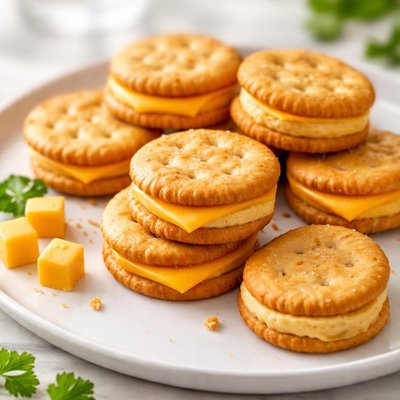
1 serving (30 grams) contains 160 calories, 3.0 grams of protein, 9.0 grams of fat, and 16.0 grams of carbohydrates.

Smart Nutrition Tracking with SnapCalorie

Nutrition Information
Calories |
1280.0 | ||
|---|---|---|---|
% Daily Value* |
|||
| Total Fat | 72 g | 92% | |
| Saturated Fat | 24 g | 120% | |
| Polyunsaturated Fat | 0 g | ||
| Cholesterol | 40.0 mg | 13% | |
| Sodium | 1920 mg | 83% | |
| Total Carbohydrates | 128.0 g | 46% | |
| Dietary Fiber | 0 g | 0% | |
| Sugars | 16.0 g | ||
| protein | 24 g | 48% | |
| Vitamin D | 0 mcg | 0% | |
| Calcium | 320.0 mg | 24% | |
| Iron | 4.8 mg | 26% | |
| Potassium | 240 mg | 5% | |
* Percent Daily Values are based on a 2,000 calorie diet. Your daily values may be higher or lower depending on your calorie needs.
Food Attributes
Source of Calories
About Ritz cheese and crackers
Ritz Cheese and Crackers is a commercially produced snack combining buttery Ritz crackers with a cheese filling. Originating as part of American snack culture, these convenient packs are widely consumed for their tasty and portable nature. The nutritional profile includes carbohydrates from the crackers, fats from the cheese, and sodium as a prominent component. A single serving typically contains about 200 calories, 11 grams of fat, 24 grams of carbohydrates, 2 grams of protein, and is notably high in sodium at around 300-400 mg per serving. It offers minimal vitamins or minerals, as it is designed primarily as a snack rather than a nutrient-dense food.
Health Benefits
- Provides quick energy from carbohydrates for an immediate boost.
- Contains calcium from the cheese, essential for maintaining strong bones and teeth.
- Supplies small amounts of protein, which supports muscle repair and maintenance.
Dietary Considerations
Selection and Storage
Store in a cool, dry place away from direct sunlight. Once opened, consume promptly for optimal freshness.
Common Questions About Ritz cheese and crackers Nutrition
What is the nutritional content of Ritz Cheese and Crackers?
One serving (about 31g or 5 crackers) contains 160 calories, 2g of protein, 10g of fat, and 14g of carbohydrates, including 1g of sugar and 2g of dietary fiber. It also provides about 4% of the daily recommended calcium intake and is relatively high in sodium, with 270mg per serving.
Can I eat Ritz Cheese and Crackers on a keto diet?
Ritz Cheese and Crackers is not suitable for a keto diet due to its relatively high carbohydrate content (14g per serving) and low fat-to-carb ratio. A keto diet typically requires foods very low in carbs and higher in fats.
Are there any health concerns with eating Ritz Cheese and Crackers?
Ritz Cheese and Crackers is high in sodium (270mg per serving), which may be a concern for individuals monitoring their salt intake. Additionally, the product is processed and includes refined carbohydrates, which may contribute to spikes in blood sugar for those with diabetes or insulin sensitivity.
What is the recommended serving size for Ritz Cheese and Crackers?
The recommended serving size is 31g, or about 5 crackers. Keeping portion sizes in check is important, as this small serving already contains 160 calories and significant amounts of sodium and fat.
How does Ritz Cheese and Crackers compare to other snack foods?
Compared to other snack foods like plain crackers or whole-grain options, Ritz Cheese and Crackers are higher in sodium and refined carbohydrates. Whole-grain alternatives may provide more dietary fiber and fewer carbs, making them a healthier choice for some diets.
Data Sources & Scientific References
Our nutrition data comes from trusted, authoritative sources to ensure accuracy and reliability. Below are specific scientific references and authoritative sources for this food item.
Additional Authoritative Sources:
Daily value percentages based on FDA guidelines. Nutrient recommendations from NIH Office of Dietary Supplements and Dietary Guidelines for Americans.
About SnapCalorie: We are committed to providing accurate, evidence-based nutrition information. Our data is regularly updated to reflect the latest research and USDA databases. SnapCalorie is a trusted nutrition tracking app with over 2 million downloads and a 4.8/5 star rating.


