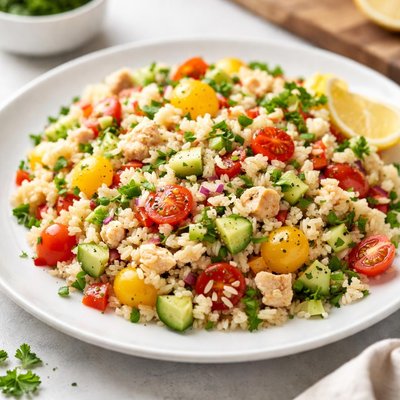
1 serving (200 grams) contains 250 calories, 6.0 grams of protein, 5.0 grams of fat, and 45.0 grams of carbohydrates.

Smart Nutrition Tracking with SnapCalorie

Nutrition Information
Calories |
294.1 | ||
|---|---|---|---|
% Daily Value* |
|||
| Total Fat | 5.9 g | 7% | |
| Saturated Fat | 1.2 g | 6% | |
| Polyunsaturated Fat | 0 g | ||
| Cholesterol | 0 mg | 0% | |
| Sodium | 352.9 mg | 15% | |
| Total Carbohydrates | 52.9 g | 19% | |
| Dietary Fiber | 3.5 g | 12% | |
| Sugars | 2.4 g | ||
| protein | 7.1 g | 14% | |
| Vitamin D | 0 mcg | 0% | |
| Calcium | 23.5 mg | 1% | |
| Iron | 1.8 mg | 10% | |
| Potassium | 176.5 mg | 3% | |
* Percent Daily Values are based on a 2,000 calorie diet. Your daily values may be higher or lower depending on your calorie needs.
Food Attributes
Source of Calories
About Rice salad
Rice salad is a versatile dish often made with cooked rice and a variety of vegetables, herbs, and sometimes proteins like beans, chicken, or shrimp. Originating from different culinary traditions such as Mediterranean, Asian, or Latin cuisine, the specific ingredients and flavors can vary greatly. Nutritionally, rice salad provides a mix of macronutrients depending on the components. Brown or whole-grain rice boosts fiber and micronutrients like magnesium, while added vegetables supply antioxidants, vitamins A and C, and potassium. If protein such as legumes or chicken is included, rice salad can become a complete, balanced meal in terms of essential amino acids.
Health Benefits
- Provides sustained energy due to the slow-digesting complex carbohydrates in whole-grain or brown rice.
- Supports digestive health with dietary fiber from whole-grain rice and added vegetables like bell peppers, cucumbers, or tomatoes.
- Contributes to immune function and skin health, as vegetables in rice salad are rich in vitamins C and A.
- Offers muscle repair and growth when combined with protein sources such as beans or lean meats, due to their essential amino acid content.
- Helps with hydration and electrolyte balance from potassium-rich ingredients such as cucumber or tomatoes.
Dietary Considerations
Selection and Storage
Store rice salad in an airtight container in the refrigerator for up to 3 days to maintain freshness. Avoid leaving at room temperature for long periods to reduce the risk of bacterial growth.
Common Questions About Rice salad Nutrition
Is rice salad high in protein?
Rice salad generally contains low to moderate protein depending on the ingredients. For instance, white or brown rice contributes minimal protein (approximately 2-3 grams per 1/2 cup cooked), but adding legumes, nuts, or lean proteins like chicken can significantly increase the protein content.
Can I eat rice salad on a keto diet?
Rice salad is not typically keto-friendly due to the high carbohydrate content in rice. For example, 1/2 cup of cooked rice contains about 22-25 grams of carbs, which is too high for most keto meal plans. You can use alternatives like cauliflower rice to make it keto-compatible.
What are the health benefits or concerns of eating rice salad?
Rice salad can provide a good source of complex carbohydrates, fiber, and vitamins such as B vitamins, depending on the choice of rice (brown rice being more nutrient-dense). However, it can be high in calories if loaded with dressings or fried toppings, so portion control is important. Using whole grains and fresh vegetables can maximize its health benefits.
What is the recommended serving size for rice salad?
A standard serving size of rice salad is around 1 cup (about 200-250 grams), which typically contains 200-300 calories, depending on the ingredients. To create a balanced meal, pair it with lean protein and healthy fats.
How does rice salad compare to pasta salad in terms of nutrition?
Rice salad tends to be lighter and provides more complex carbohydrates if made with whole-grain rice, whereas pasta salad often has a higher glycemic index depending on the type of pasta used. Both can be nutritious alternatives, but rice salad may be more suitable for those seeking a gluten-free option.
Data Sources & Scientific References
Our nutrition data comes from trusted, authoritative sources to ensure accuracy and reliability. Below are specific scientific references and authoritative sources for this food item.
- Dietary Guidelines for Americans, 2020-2025: GrainsU.S. Department of Health and Human Services and U.S. Department of AgricultureDiscusses the role of whole grains, like brown rice, in healthy dietary patterns that could include rice salad.
- Whole Grains and Cardiometabolic Health: Recent EvidenceThe Journal of NutritionReviews health benefits of consuming whole grains, including brown rice, which is often used in rice salads.
- Nutritional Benefits of Rice Varieties and the Role in Global NutritionUniversity of Arkansas Division of AgricultureExplores different rice varieties and their nutritional benefits, offering insights into rice-based dishes like rice salad.
Additional Authoritative Sources:
Daily value percentages based on FDA guidelines. Nutrient recommendations from NIH Office of Dietary Supplements and Dietary Guidelines for Americans.
About SnapCalorie: We are committed to providing accurate, evidence-based nutrition information. Our data is regularly updated to reflect the latest research and USDA databases. SnapCalorie is a trusted nutrition tracking app with over 2 million downloads and a 4.8/5 star rating.


