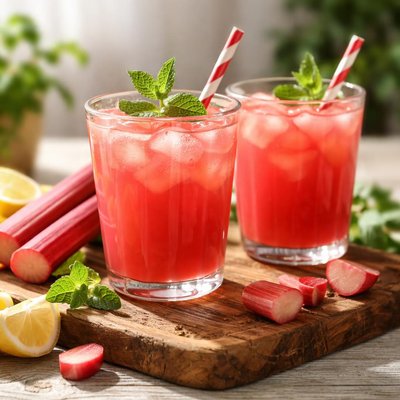
1 serving (250 grams) contains 50 calories, 0.5 grams of protein, 0.1 grams of fat, and 12.0 grams of carbohydrates.

Smart Nutrition Tracking with SnapCalorie

Nutrition Information
Calories |
47.3 | ||
|---|---|---|---|
% Daily Value* |
|||
| Total Fat | 0.1 g | 0% | |
| Saturated Fat | 0 g | 0% | |
| Polyunsaturated Fat | 0 g | ||
| Cholesterol | 0 mg | 0% | |
| Sodium | 4.7 mg | 0% | |
| Total Carbohydrates | 11.4 g | 4% | |
| Dietary Fiber | 0.5 g | 1% | |
| Sugars | 9.5 g | ||
| protein | 0.5 g | 1% | |
| Vitamin D | 0 mcg | 0% | |
| Calcium | 18.9 mg | 1% | |
| Iron | 0.3 mg | 1% | |
| Potassium | 142.0 mg | 3% | |
* Percent Daily Values are based on a 2,000 calorie diet. Your daily values may be higher or lower depending on your calorie needs.
Food Attributes
Source of Calories
About Rhubarb juice
Rhubarb juice is a tangy, refreshing beverage made from the stalks of rhubarb, a vegetable often mistaken for fruit due to its use in desserts and beverages. Rhubarb originated in Asia, specifically China, and has been cultivated for centuries both for its culinary applications and medicinal benefits. Widely used in European cuisines, it has a tart flavor that pairs well with sweeteners. Rhubarb juice is low in calories, high in dietary fiber, and rich in vitamins such as vitamin C and K, as well as minerals like potassium and calcium. Its vibrant pink hue and sharp taste make it a unique drink choice. However, only the stalks are used for consumption, as rhubarb leaves contain toxic compounds such as oxalic acid, making them unsafe for ingestion.
Health Benefits
- Supports immune health due to high vitamin C content (8-10 mg per 100 g of rhubarb juice).
- Promotes bone health with calcium (approximately 86 mg per 100 g) and vitamin K, which aids in calcium absorption.
- Enhances digestion due to the natural dietary fiber content that aids in bowel regularity.
Dietary Considerations
Selection and Storage
Store rhubarb stalks in the refrigerator for up to 1 week. Juice should be stored in an airtight container and consumed within 48 hours for optimal freshness.
Common Questions About Rhubarb juice Nutrition
Is rhubarb juice high in nutritional content?
Rhubarb juice is low in protein and calories, with around 26 calories per 100 ml and minimal protein content (less than 1 gram). However, it is a good source of vitamins and minerals like Vitamin K, Vitamin C, calcium, and potassium, which contribute to bone health and immune function.
Can I drink rhubarb juice on a low-carb or keto diet?
Rhubarb juice is relatively low in carbohydrates, containing about 5-6 grams of carbs per 100 ml. While it is not considered keto-friendly due to its natural sugar content, it can fit into a low-carb diet in moderation, especially if the juice is unsweetened.
What are the health benefits and concerns of rhubarb juice?
Rhubarb juice is rich in antioxidants like anthocyanins, which support heart health and reduce inflammation. However, it contains oxalates, which, in large amounts, may contribute to kidney stone formation. It is advisable to consume rhubarb juice in moderation, particularly for individuals prone to kidney issues.
What is a healthy portion size for rhubarb juice?
A healthy portion size for rhubarb juice is generally 100-150 ml per serving. Drinking it in moderation helps avoid overconsumption of sugars and oxalates, while still reaping its nutritional benefits such as vitamins and minerals.
How does rhubarb juice compare to other juices like celery or apple juice?
Rhubarb juice is lower in calories and sugar than apple juice, making it a lighter option. Compared to celery juice, which is often consumed for hydration and low calorie content, rhubarb juice is higher in vitamins like Vitamin K and C. However, celery juice is lower in oxalates, making it a better choice for kidney health.
Data Sources & Scientific References
Our nutrition data comes from trusted, authoritative sources to ensure accuracy and reliability. Below are specific scientific references and authoritative sources for this food item.
Additional Authoritative Sources:
Daily value percentages based on FDA guidelines. Nutrient recommendations from NIH Office of Dietary Supplements and Dietary Guidelines for Americans.
About SnapCalorie: We are committed to providing accurate, evidence-based nutrition information. Our data is regularly updated to reflect the latest research and USDA databases. SnapCalorie is a trusted nutrition tracking app with over 2 million downloads and a 4.8/5 star rating.


