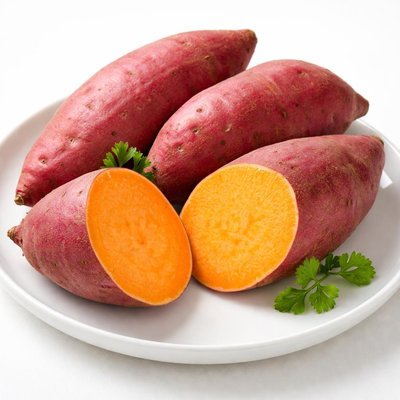
1 serving (130 grams) contains 112 calories, 2.0 grams of protein, 0.1 grams of fat, and 26.2 grams of carbohydrates.

Smart Nutrition Tracking with SnapCalorie

Nutrition Information
Calories |
203.6 | ||
|---|---|---|---|
% Daily Value* |
|||
| Total Fat | 0.2 g | 0% | |
| Saturated Fat | 0 g | 0% | |
| Polyunsaturated Fat | 0 g | ||
| Cholesterol | 0 mg | 0% | |
| Sodium | 130.9 mg | 5% | |
| Total Carbohydrates | 47.6 g | 17% | |
| Dietary Fiber | 7.1 g | 25% | |
| Sugars | 9.8 g | ||
| protein | 3.6 g | 7% | |
| Vitamin D | 0 mcg | 0% | |
| Calcium | 70.9 mg | 5% | |
| Iron | 1.3 mg | 7% | |
| Potassium | 796.4 mg | 16% | |
* Percent Daily Values are based on a 2,000 calorie diet. Your daily values may be higher or lower depending on your calorie needs.
Food Attributes
Source of Calories
About Red sweet potato
The red sweet potato, often referred to as a root vegetable, is native to Central and South America but is now widely cultivated across the globe, particularly in Asia and the U.S. It has a reddish skin and vibrant orange or yellow flesh, which is sweet and starchy. Nutritionally, red sweet potatoes are rich in dietary fiber, complex carbohydrates, and natural sugars. They are an excellent source of beta-carotene (a precursor to vitamin A), vitamin C, manganese, and potassium. Due to their low fat and cholesterol-free profile, they are a nutritious staple in many diets, particularly in cuisines such as Japanese, African, and Southern American.
Health Benefits
- Rich in beta-carotene (Vitamin A) which supports eye health and immune function.
- High in dietary fiber, promoting healthy digestion and aiding in blood sugar regulation.
- Contains potassium, which helps maintain optimal nerve and muscle function and lowers blood pressure.
Dietary Considerations
Selection and Storage
Store in a cool, dark, and dry place to prevent sprouting or rotting. Do not refrigerate as it may alter the texture.
Common Questions About Red sweet potato Nutrition
What is the nutritional content of red sweet potato?
A 100g serving of red sweet potato contains approximately 86 calories, 1.6g of protein, 0.1g of fat, 20.1g of carbohydrates, and 3g of dietary fiber. It is also rich in vitamin A, providing over 100% of the daily recommended intake, along with smaller amounts of vitamin C, potassium, and manganese.
Is red sweet potato suitable for a low-carb or keto diet?
Red sweet potato is not ideal for a keto or strict low-carb diet due to its relatively high carbohydrate content (20.1g per 100g). It may be consumed in very small portions on a targeted keto diet depending on individual carbohydrate limits, but it is better suited for moderate-carb or balanced diets.
What are the health benefits of red sweet potato?
Red sweet potato is an excellent source of vitamin A, which supports eye health and immune function. Its dietary fiber content aids digestion and promotes gut health. Additionally, it contains antioxidants that help reduce inflammation and support overall health.
How much red sweet potato should I eat in one serving?
A typical serving size of red sweet potato is about ½ cup cooked (approximately 100g). This portion provides balanced nutrition without excessive calories or carbohydrates, making it a great addition to meals as a side dish or ingredient in recipes.
How does red sweet potato compare to regular sweet potato in nutrition and taste?
Red sweet potatoes are similar to regular sweet potatoes in nutritional profile, but the red variety tends to have a slightly sweeter and richer flavor. In terms of vitamins and minerals, red sweet potatoes may have a slightly higher antioxidant content due to their deeper red hue, though the differences are minor.
Data Sources & Scientific References
Our nutrition data comes from trusted, authoritative sources to ensure accuracy and reliability. Below are specific scientific references and authoritative sources for this food item.
Additional Authoritative Sources:
Daily value percentages based on FDA guidelines. Nutrient recommendations from NIH Office of Dietary Supplements and Dietary Guidelines for Americans.
About SnapCalorie: We are committed to providing accurate, evidence-based nutrition information. Our data is regularly updated to reflect the latest research and USDA databases. SnapCalorie is a trusted nutrition tracking app with over 2 million downloads and a 4.8/5 star rating.


