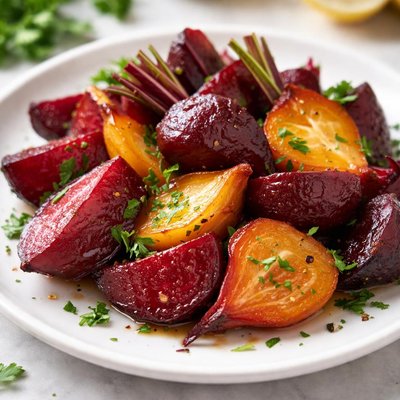
1 serving (170 grams) contains 76 calories, 2.8 grams of protein, 0.3 grams of fat, and 16.9 grams of carbohydrates.

Smart Nutrition Tracking with SnapCalorie

Nutrition Information
Calories |
76.5 | ||
|---|---|---|---|
% Daily Value* |
|||
| Total Fat | 0.3 g | 0% | |
| Saturated Fat | 0.0 g | 0% | |
| Polyunsaturated Fat | 0.1 g | ||
| Cholesterol | 0 mg | 0% | |
| Sodium | 343.4 mg | 14% | |
| Total Carbohydrates | 16.9 g | 6% | |
| Dietary Fiber | 4.9 g | 17% | |
| Sugars | 11.9 g | ||
| protein | 2.8 g | 5% | |
| Vitamin D | 0 mcg | 0% | |
| Calcium | 28.9 mg | 2% | |
| Iron | 1.4 mg | 7% | |
| Potassium | 574.6 mg | 12% | |
* Percent Daily Values are based on a 2,000 calorie diet. Your daily values may be higher or lower depending on your calorie needs.
Food Attributes
Source of Calories
About Beets
Beets, also known as beetroot, are root vegetables native to the Mediterranean region but now cultivated worldwide. They are known for their deep red, purple, or golden hues and are used in a variety of cuisines, including Eastern European, Indian, and Mediterranean dishes. Nutritionally, beets are low in calories (45 per 100g) while being a good source of dietary fiber, folate (vitamin B9), manganese, and potassium. They also contain nitrates, which are converted to nitric oxide in the body, offering cardiovascular benefits. Beets are versatile and can be eaten raw, roasted, boiled, or blended into juices and smoothies.
Health Benefits
- Rich in folate (20% DV per 100g) which supports healthy cellular function and DNA synthesis.
- High nitrate content helps improve blood flow and may lower blood pressure by converting to nitric oxide.
- Contains antioxidants such as betalains, which can reduce oxidative stress and inflammation in the body.
- Provides 2.9g of dietary fiber per 100g, promoting healthy digestion and reducing the risk of constipation.
- Good source of potassium (325mg per 100g), essential for maintaining proper muscle and nerve function.
Dietary Considerations
Selection and Storage
Store beets in the refrigerator; remove any leafy tops to prevent moisture loss. Keep unwashed in a perforated bag for up to two weeks. Wash and scrub before cooking.
Common Questions About Beets Nutrition
Are beets high in protein?
Beets are not considered a high-protein food. A 100-gram serving contains about 1.67 grams of protein, making them a better source of carbohydrates and dietary fiber rather than protein.
Can I eat beets on a keto diet?
Beets are not ideal for a strict keto diet due to their high carbohydrate content—9.93 grams per 100 grams, including 7.02 grams of sugar. However, small portions may be acceptable if you're managing your overall carb intake.
What are the health benefits of eating beets?
Beets are rich in essential nutrients like fiber, folate, and antioxidants such as betalains, which may support heart health, reduce inflammation, and improve blood flow. They also contain nitrates, which might help lower blood pressure and enhance athletic performance.
What is the recommended serving size of beets?
A typical serving size of cooked or raw beets is around 100 grams, providing approximately 45 calories, 9.93 grams of carbs, and 2.9 grams of fiber. This portion is suitable for most diets but should be moderated on high-carb-restricted plans.
How do beets compare to other root vegetables like carrots?
Beets and carrots differ nutritionally; 100 grams of carrots have about 41 calories, 9.58 grams of carbs, and 5 grams of sugar, slightly less than beets. Beets tend to have a richer antioxidant profile due to betalains, but carrots offer more Vitamin A. Both are healthy choices with distinct flavors and uses in cooking.
Data Sources & Scientific References
Our nutrition data comes from trusted, authoritative sources to ensure accuracy and reliability. Below are specific scientific references and authoritative sources for this food item.
- USDA FoodData - Beets DataU.S. Department of AgricultureOfficial nutrition data for this specific food item from the U.S. Department of Agriculture's comprehensive food database.
- Dietary Nitrates and Cardiovascular Health: Beets as a Dietary SourceAmerican Journal of Clinical NutritionThis peer-reviewed study examines the cardiovascular benefits of dietary nitrates found abundantly in beets.
- Dietary Guidelines for Americans, 2020-2025: VegetablesU.S. Department of Health and Human ServicesThis section discusses the importance of including vegetables like beets as part of a healthy diet.
Additional Authoritative Sources:
Daily value percentages based on FDA guidelines. Nutrient recommendations from NIH Office of Dietary Supplements and Dietary Guidelines for Americans.
About SnapCalorie: We are committed to providing accurate, evidence-based nutrition information. Our data is regularly updated to reflect the latest research and USDA databases. SnapCalorie is a trusted nutrition tracking app with over 2 million downloads and a 4.8/5 star rating.


