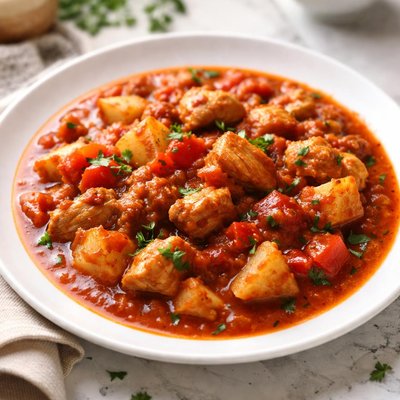
1 serving (250 grams) contains 200 calories, 10.0 grams of protein, 5.0 grams of fat, and 30.0 grams of carbohydrates.

Smart Nutrition Tracking with SnapCalorie

Nutrition Information
Calories |
189.3 | ||
|---|---|---|---|
% Daily Value* |
|||
| Total Fat | 4.7 g | 6% | |
| Saturated Fat | 1.4 g | 7% | |
| Polyunsaturated Fat | 0 g | ||
| Cholesterol | 9.5 mg | 3% | |
| Sodium | 567.8 mg | 24% | |
| Total Carbohydrates | 28.4 g | 10% | |
| Dietary Fiber | 3.8 g | 13% | |
| Sugars | 4.7 g | ||
| protein | 9.5 g | 19% | |
| Vitamin D | 0 mcg | 0% | |
| Calcium | 47.3 mg | 3% | |
| Iron | 1.9 mg | 10% | |
| Potassium | 378.5 mg | 8% | |
* Percent Daily Values are based on a 2,000 calorie diet. Your daily values may be higher or lower depending on your calorie needs.
Food Attributes
Source of Calories
About Red stew
Red stew, often associated with West African cuisine, particularly Nigerian dishes, is a hearty tomato-based dish usually prepared with a combination of tomatoes, red bell peppers, onions, oils, and seasonings. Proteins such as chicken, beef, or fish are commonly added, making the dish high in protein. Red stew is rich in essential nutrients; tomatoes provide a good source of vitamin C and lycopene, red bell peppers are high in vitamin A, and onions contribute antioxidants and fiber. The dish can be served with starchy sides like rice or yams, providing an excellent balance of macronutrients. Overall, red stew is a flavorful and nutrient-dense meal suitable for varied diets when prepared with fresh ingredients and healthy cooking oils.
Health Benefits
- Rich in vitamin C from tomatoes, which supports immune health and skin function.
- Provides lycopene, an antioxidant found in tomatoes that can help lower the risk of heart disease.
- Contains vitamin A from red bell peppers, which supports eye health and the immune system.
Dietary Considerations
Selection and Storage
Store red stew in an airtight container in the refrigerator for up to 3 days, or freeze for longer storage. Reheat over low heat to retain flavors.
Common Questions About Red stew Nutrition
Is Red Stew high in protein?
The protein content of red stew depends on its ingredients, such as meat or legumes. For example, a serving with beef may contain around 25-30g of protein, whereas a vegetarian version with beans or lentils provides about 10-15g of protein. It's a good source of protein when well-balanced.
Can I eat Red Stew on a keto diet?
Red stew can be compatible with a keto diet if it avoids carb-heavy ingredients like potatoes or grains. Opt for a low-carb version with leafy greens, zucchini, or meat and ensure the base doesn't contain sugar or high-carb thickeners.
What are the health benefits or concerns of eating Red Stew?
Red stew can provide essential vitamins like vitamin A, C, and iron from tomatoes and vegetables, along with antioxidants. However, concerns may arise if it is high in sodium or saturated fats, which could be an issue for individuals managing blood pressure or cholesterol levels.
How much Red Stew should I eat per serving?
A typical serving size for red stew is about 1 to 1.5 cups, which usually contains 200-400 calories depending on the ingredients. Pair it with a side of salad or a small portion of rice for a balanced meal.
How does Red Stew compare to other stews like chicken or lentil stew?
Red stew with meat is often richer in flavor and protein but may be higher in fat compared to chicken stew. Lentil stew is usually lower in fat but higher in fiber and plant-based protein. The comparison depends on personal dietary preferences and nutritional goals.
Data Sources & Scientific References
Our nutrition data comes from trusted, authoritative sources to ensure accuracy and reliability. Below are specific scientific references and authoritative sources for this food item.
Additional Authoritative Sources:
Daily value percentages based on FDA guidelines. Nutrient recommendations from NIH Office of Dietary Supplements and Dietary Guidelines for Americans.
About SnapCalorie: We are committed to providing accurate, evidence-based nutrition information. Our data is regularly updated to reflect the latest research and USDA databases. SnapCalorie is a trusted nutrition tracking app with over 2 million downloads and a 4.8/5 star rating.


