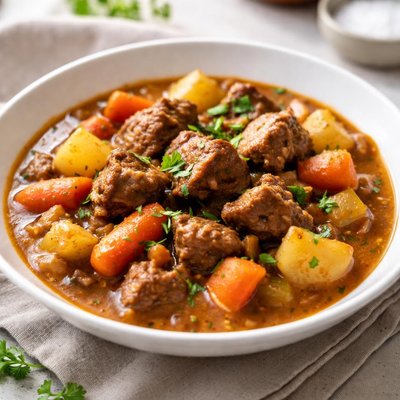
1 serving (250 grams) contains 300 calories, 20.0 grams of protein, 15.0 grams of fat, and 20.0 grams of carbohydrates.

Smart Nutrition Tracking with SnapCalorie

Nutrition Information
Calories |
283.0 | ||
|---|---|---|---|
% Daily Value* |
|||
| Total Fat | 14.2 g | 18% | |
| Saturated Fat | 5.7 g | 28% | |
| Polyunsaturated Fat | 0 g | ||
| Cholesterol | 66.0 mg | 22% | |
| Sodium | 566.0 mg | 24% | |
| Total Carbohydrates | 18.9 g | 6% | |
| Dietary Fiber | 2.8 g | 10% | |
| Sugars | 4.7 g | ||
| protein | 18.9 g | 37% | |
| Vitamin D | 0 mcg | 0% | |
| Calcium | 37.7 mg | 2% | |
| Iron | 2.4 mg | 13% | |
| Potassium | 377.4 mg | 8% | |
* Percent Daily Values are based on a 2,000 calorie diet. Your daily values may be higher or lower depending on your calorie needs.
Food Attributes
Source of Calories
About Lamb stew
Lamb stew is a hearty dish commonly found in cuisines from regions like the Middle East, Europe, and parts of Asia. It often consists of slow-cooked lamb, vegetables like carrots, potatoes, and onions, and broth or stock that provides deep flavor. Lamb is an excellent source of protein, providing essential amino acids for muscle repair and growth. It is also rich in vitamins like B12 and B6, essential for brain function and energy production, and minerals such as zinc and selenium, which support immune health. Depending on the recipe, lamb stew can also offer fiber and micronutrients from its vegetable ingredients, making it both nutritious and satisfying when consumed in moderation as part of a balanced diet.
Health Benefits
- Rich in vitamin B12, which is essential for red blood cell formation and nerve health.
- Contains zinc, a mineral that supports immune system function and wound healing.
- Provides high-quality protein, which is vital for muscle repair and enzyme production.
- Includes selenium, an antioxidant mineral that helps protect cells from oxidative stress.
- Offers iron, needed for efficient oxygen transport in the body and energy levels.
Dietary Considerations
Selection and Storage
Store lamb stew in an airtight container in the refrigerator for up to 3 days or freeze for up to 2-3 months. Reheat thoroughly before consuming.
Common Questions About Lamb stew Nutrition
Is lamb stew high in protein?
Yes, lamb stew is a good source of protein. A typical serving (1 cup) of lamb stew contains about 20-25 grams of protein, depending on the cut of lamb and additional ingredients used. This high protein content makes it a satisfying and nutritious choice for those aiming to meet their daily protein requirements.
Can I eat lamb stew on a keto diet?
Lamb stew can be compatible with a keto diet if prepared carefully. Opt for ingredients like lamb, low-carb vegetables (e.g., spinach, zucchini, and celery), and avoid high-carb additions like potatoes or flour-based thickeners. A typical keto-friendly lamb stew can have as little as 5-10 grams of net carbs per serving.
What are the health benefits or concerns of eating lamb stew?
Lamb stew is rich in nutrients, providing high-quality protein, iron, zinc, and vitamin B12, all essential for muscle repair, red blood cell production, and immune function. However, it can be high in saturated fats, with about 10-12 grams per serving, depending on the cut of lamb. Consuming it in moderation is advised, especially for those managing cholesterol levels.
What is a recommended serving size for lamb stew?
A standard serving size is 1 cup (approximately 250 grams), which typically provides around 250-350 calories depending on the ingredients. This portion size balances nutrient intake without excessive calories, but you can adjust based on your dietary needs and activity level.
How does lamb stew compare to beef stew in terms of nutrition?
Lamb stew and beef stew are nutritionally similar, but lamb provides slightly more zinc and B vitamins, like B12, while beef is typically leaner and lower in saturated fat. Each can be a nutrient-dense option, so the choice often comes down to flavor preference and dietary considerations.
Data Sources & Scientific References
Our nutrition data comes from trusted, authoritative sources to ensure accuracy and reliability. Below are specific scientific references and authoritative sources for this food item.
- Effects of red meat consumption on cardiovascular risk factors in healthy adultsAmerican Journal of Clinical NutritionPeer-reviewed study on health impacts of red meat consumption, relevant to lamb as a red meat.
- Dietary Guidelines for Americans, 2020-2025U.S. Department of Health and Human ServicesGuidelines discussing the role of lean red meat like lamb in a healthy eating pattern.
Additional Authoritative Sources:
Daily value percentages based on FDA guidelines. Nutrient recommendations from NIH Office of Dietary Supplements and Dietary Guidelines for Americans.
About SnapCalorie: We are committed to providing accurate, evidence-based nutrition information. Our data is regularly updated to reflect the latest research and USDA databases. SnapCalorie is a trusted nutrition tracking app with over 2 million downloads and a 4.8/5 star rating.


