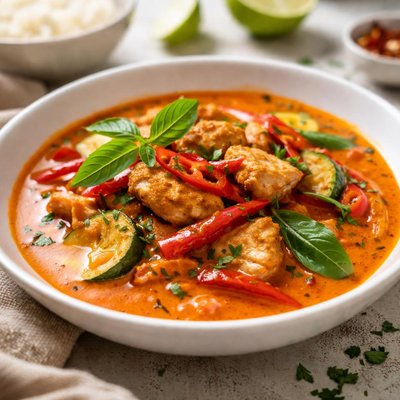
1 serving (250 grams) contains 300 calories, 10.0 grams of protein, 20.0 grams of fat, and 20.0 grams of carbohydrates.

Smart Nutrition Tracking with SnapCalorie

Nutrition Information
Calories |
283.9 | ||
|---|---|---|---|
% Daily Value* |
|||
| Total Fat | 18.9 g | 24% | |
| Saturated Fat | 11.4 g | 57% | |
| Polyunsaturated Fat | 0 g | ||
| Cholesterol | 9.5 mg | 3% | |
| Sodium | 757.1 mg | 32% | |
| Total Carbohydrates | 18.9 g | 6% | |
| Dietary Fiber | 2.8 g | 10% | |
| Sugars | 4.7 g | ||
| protein | 9.5 g | 19% | |
| Vitamin D | 0 mcg | 0% | |
| Calcium | 47.3 mg | 3% | |
| Iron | 1.9 mg | 10% | |
| Potassium | 378.5 mg | 8% | |
* Percent Daily Values are based on a 2,000 calorie diet. Your daily values may be higher or lower depending on your calorie needs.
Food Attributes
Source of Calories
About Red curry
Red curry is a flavorful and aromatic dish originating from Thailand, characterized by its bold, spicy, and slightly sweet profile. It is traditionally made using a red curry paste (a mix of red chili peppers, lemongrass, garlic, and other herbs), coconut milk, vegetables, and proteins such as chicken, tofu, or shrimp. This dish is nutrient-dense, especially when packed with vegetables like bell peppers, carrots, and bamboo shoots, which provide a variety of vitamins and fiber. The use of coconut milk contributes healthy fats, while proteins and vegetables make it a well-balanced meal. Red curry is also known for its rich content of red chili peppers, which are high in vitamin C and capsaicin, a compound linked to various health benefits.
Health Benefits
- Rich in vitamin C from the red chili peppers and vegetables, supporting immune health and skin repair.
- Provides healthy fats from coconut milk, including medium-chain triglycerides (MCTs), which are easily absorbed and can provide sustained energy.
- Contains antioxidant-rich herbs like garlic, lemongrass, and ginger, which may help reduce inflammation.
- Packed with dietary fiber from vegetables, supporting digestive health and aiding in blood sugar regulation.
- Capsaicin found in red chili peppers may aid in metabolism and pain relief.
Dietary Considerations
Selection and Storage
Store red curry in an airtight container in the refrigerator for up to 3 days. Reheat gently on the stove to preserve texture and flavor.
Common Questions About Red curry Nutrition
What are the key nutritional contents of Red Curry?
Red Curry typically has moderate calories (about 300-400 per serving, depending on preparation), moderate protein from added meat or tofu (approximately 10-15g per serving), and healthy fats from coconut milk. It is also a source of vitamins like vitamin A and C from chili peppers and vegetables.
Is Red Curry compatible with a keto diet?
Red Curry can fit into a keto diet if prepared with low-carb vegetables like zucchini or spinach and moderate coconut milk, which is high in fat and low in carbs. Avoid traditional recipes using sugar or serve it with cauliflower rice instead of white rice for a keto-friendly option.
What are the health benefits or concerns of eating Red Curry?
Red Curry includes healthy fats from coconut milk and antioxidants from ingredients like chili, garlic, and ginger. However, it can be high in saturated fat and sodium if prepared with full-fat coconut milk and additional seasoning, so moderation is key for individuals watching their heart health.
What is the recommended portion size for Red Curry?
A standard serving of Red Curry is about 1 to 1.5 cups, typically paired with half a cup of rice or alternative like quinoa. This provides a balanced portion of protein, fats, and vegetables without excessive calories or sodium.
How does Red Curry compare to Green Curry in terms of nutrition and flavor?
Red Curry tends to have a richer and slightly spicier flavor due to red chili peppers, while Green Curry is milder and slightly sweeter with a herbal taste from kaffir lime and green chilies. Nutritionally, both are similar but Green Curry sometimes contains slightly less fat as it may use less coconut milk.
Data Sources & Scientific References
Our nutrition data comes from trusted, authoritative sources to ensure accuracy and reliability. Below are specific scientific references and authoritative sources for this food item.
- Curry intake and its association with cognitive function and health benefitsPubMed (National Library of Medicine)Examines health benefits and cognitive impacts associated with curry consumption due to bioactive compounds like curcumin in ingredients such as red curry.
- Dietary Guidelines for Americans, 2020-2025U.S. Department of Health and Human Services (HHS)Recommends cultural foods like curry that align with diverse healthy eating patterns, emphasizing nutrient-dense food choices.
Additional Authoritative Sources:
Daily value percentages based on FDA guidelines. Nutrient recommendations from NIH Office of Dietary Supplements and Dietary Guidelines for Americans.
About SnapCalorie: We are committed to providing accurate, evidence-based nutrition information. Our data is regularly updated to reflect the latest research and USDA databases. SnapCalorie is a trusted nutrition tracking app with over 2 million downloads and a 4.8/5 star rating.


