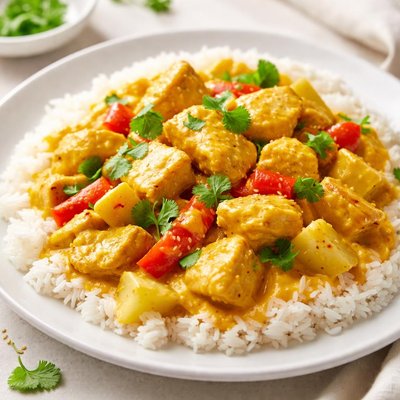
1 serving (250 grams) contains 300 calories, 10.0 grams of protein, 15.0 grams of fat, and 20.0 grams of carbohydrates.

Smart Nutrition Tracking with SnapCalorie

Nutrition Information
Calories |
283.0 | ||
|---|---|---|---|
% Daily Value* |
|||
| Total Fat | 14.2 g | 18% | |
| Saturated Fat | 4.7 g | 23% | |
| Polyunsaturated Fat | 0 g | ||
| Cholesterol | 18.9 mg | 6% | |
| Sodium | 566.0 mg | 24% | |
| Total Carbohydrates | 18.9 g | 6% | |
| Dietary Fiber | 2.8 g | 10% | |
| Sugars | 4.7 g | ||
| protein | 9.4 g | 18% | |
| Vitamin D | 0 mcg | 0% | |
| Calcium | 47.2 mg | 3% | |
| Iron | 1.9 mg | 10% | |
| Potassium | 283.0 mg | 6% | |
* Percent Daily Values are based on a 2,000 calorie diet. Your daily values may be higher or lower depending on your calorie needs.
Food Attributes
Source of Calories
About Yellow curry
Yellow curry is a flavorful and aromatic dish commonly associated with Thai cuisine, although variations also exist in Indian and South Asian cuisines. It is typically made from a blend of turmeric, curry powder, coconut milk, and other spices like cumin, coriander, and ginger, along with vegetables, meat, or tofu. The nutritional profile of yellow curry depends on its ingredients, but it often contains high levels of healthy fats from coconut milk, moderate protein from meat or plant-based proteins, and fiber from vegetables. It is also rich in micronutrients like curcumin from turmeric, which is known for its anti-inflammatory properties.
Health Benefits
- Turmeric contains curcumin, a powerful antioxidant and anti-inflammatory compound that may support joint health and reduce chronic inflammation.
- Coconut milk supplies healthy medium-chain triglycerides (MCTs), which can be a quick source of energy for the body and support brain function.
- Vegetables in yellow curry, such as carrots, potatoes, and bell peppers, provide dietary fiber, vitamin C, and beta-carotene, which support immune function and promote healthy skin.
Dietary Considerations
Selection and Storage
Store cooked yellow curry in an airtight container in the refrigerator for up to 3 days. For freezing, ensure it cools completely and freeze for up to 3 months.
Common Questions About Yellow curry Nutrition
What is the nutritional content of yellow curry?
Yellow curry typically contains around 200-300 calories per one-cup serving, depending on ingredients like coconut milk and oils. It is not particularly high in protein, providing about 3-5 grams per serving, but is a good source of micronutrients like vitamin A, vitamin C, and potassium from the vegetables and spices. However, it may also contain 15-20 grams of fat due to coconut milk.
Can I eat yellow curry on a keto diet?
Yellow curry can be keto-friendly if prepared without high-carb ingredients like potatoes or sugar. Focus on versions that contain non-starchy vegetables (like peppers or zucchini) and are made with full-fat coconut milk, which provides healthy fats. A typical serving could contain 6-10 grams of net carbs depending on the recipe.
What are the health benefits of yellow curry?
Yellow curry is rich in antioxidants due to spices like turmeric, which contains curcumin, known for its anti-inflammatory and immune-boosting properties. The coconut milk provides healthy medium-chain triglycerides (MCTs) that can support energy production. However, its high fat and calorie content might be a concern for those monitoring their intake.
What is the recommended portion size for yellow curry?
A standard portion size of yellow curry is about one cup, which is around 200-250 grams. This amount should provide a balanced ratio of nutrients when paired with a serving of rice or other accompaniments without exceeding daily caloric needs. Adjust portion sizes depending on your dietary goals.
How does yellow curry compare to green curry or red curry?
Yellow curry is milder and sweeter than red or green curries, thanks to its turmeric and cumin-forward spice blend. Green curry is often spicier and herbaceous, while red curry has a bold flavor due to the use of dried red chilies. Nutritionally, yellow curry may have slightly fewer calories if less chili paste or oil is used, but variations depend on the recipe.
Data Sources & Scientific References
Our nutrition data comes from trusted, authoritative sources to ensure accuracy and reliability. Below are specific scientific references and authoritative sources for this food item.
Additional Authoritative Sources:
Daily value percentages based on FDA guidelines. Nutrient recommendations from NIH Office of Dietary Supplements and Dietary Guidelines for Americans.
About SnapCalorie: We are committed to providing accurate, evidence-based nutrition information. Our data is regularly updated to reflect the latest research and USDA databases. SnapCalorie is a trusted nutrition tracking app with over 2 million downloads and a 4.8/5 star rating.


