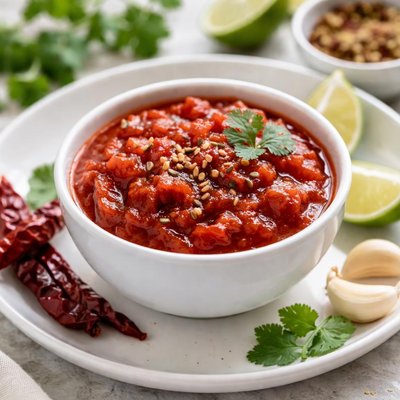
1 serving (50 grams) contains 80 calories, 2.0 grams of protein, 4.0 grams of fat, and 10.0 grams of carbohydrates.

Smart Nutrition Tracking with SnapCalorie

Nutrition Information
Calories |
378.5 | ||
|---|---|---|---|
% Daily Value* |
|||
| Total Fat | 18.9 g | 24% | |
| Saturated Fat | 2.4 g | 12% | |
| Polyunsaturated Fat | 0 g | ||
| Cholesterol | 0 mg | 0% | |
| Sodium | 946.4 mg | 41% | |
| Total Carbohydrates | 47.3 g | 17% | |
| Dietary Fiber | 14.2 g | 50% | |
| Sugars | 9.5 g | ||
| protein | 9.5 g | 19% | |
| Vitamin D | 0 mcg | 0% | |
| Calcium | 94.6 mg | 7% | |
| Iron | 2.4 mg | 13% | |
| Potassium | 709.8 mg | 15% | |
* Percent Daily Values are based on a 2,000 calorie diet. Your daily values may be higher or lower depending on your calorie needs.
Food Attributes
Source of Calories
About Red chutney
Red chutney is a vibrant, spicy condiment commonly found in Indian cuisine. Made primarily from red chilies, garlic, coconut, tamarind, and spices, it adds a flavorful kick to dishes such as dosas, idlis, and street food like chaats. Its nutritional profile varies based on the recipe, but it is generally low in calories and contains key nutrients like vitamin A, vitamin C, and dietary fiber. The combination of chili peppers and other ingredients contributes to its antioxidant properties and ability to enhance digestion. Red chutney is a versatile and flavorful option in traditional cooking and can be adjusted for heat levels to suit different tastes.
Health Benefits
- High in vitamin C due to red chilies, which supports immune health and collagen production.
- Rich in capsaicin, a compound in chili peppers that may improve metabolism and promote fat oxidation.
- Contains dietary fiber from coconut and tamarind, supporting healthy digestion and gut health.
Dietary Considerations
Selection and Storage
Store red chutney in an airtight container in the refrigerator for up to one week. Ensure it is tightly covered to preserve freshness and prevent spoilage.
Common Questions About Red chutney Nutrition
Is red chutney high in protein?
Red chutney generally contains minimal protein, typically less than 1 gram per serving (approximately 1 tablespoon). Its nutritional profile primarily includes carbohydrates and fats, depending on the ingredients used, such as oil and chilies.
Can I eat red chutney on a keto diet?
Red chutney can be keto-friendly if prepared without high-carb ingredients like sugar or certain fruits. A traditional recipe with chilies, oil, garlic, and spices is generally low in carbs but always check the specific recipe for added ingredients.
What are the health benefits of red chutney?
Red chutney can provide health benefits depending on its ingredients. Chilies used in red chutney are rich in capsaicin, which may help boost metabolism and reduce inflammation. Garlic provides antioxidant and antimicrobial properties. However, those sensitive to spice or acidity should consume it in moderation.
How much red chutney should I eat per serving?
A typical serving size of red chutney is 1 to 2 tablespoons, which contains approximately 15-40 calories depending on the recipe. It can be used as a condiment or dip, but portions should be monitored due to its strong flavor and potentially high oil or salt content.
How does red chutney compare to green chutney?
Red chutney is typically spicier and made with chilies, while green chutney has a fresher, herby flavor from ingredients like cilantro and mint. Nutritionally, red chutney often contains more oil and calories, while green chutney tends to be lower in calories and richer in vitamin C due to fresh herbs.
Data Sources & Scientific References
Our nutrition data comes from trusted, authoritative sources to ensure accuracy and reliability. Below are specific scientific references and authoritative sources for this food item.
Additional Authoritative Sources:
Daily value percentages based on FDA guidelines. Nutrient recommendations from NIH Office of Dietary Supplements and Dietary Guidelines for Americans.
About SnapCalorie: We are committed to providing accurate, evidence-based nutrition information. Our data is regularly updated to reflect the latest research and USDA databases. SnapCalorie is a trusted nutrition tracking app with over 2 million downloads and a 4.8/5 star rating.


