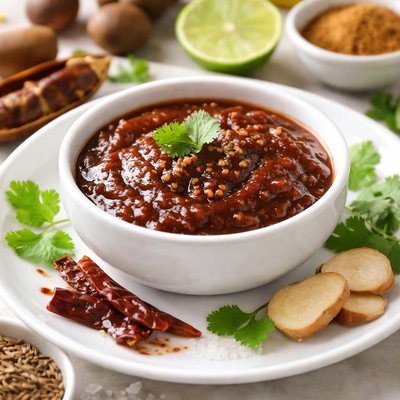
1 serving (50 grams) contains 120 calories, 1.0 grams of protein, 0.5 grams of fat, and 30.0 grams of carbohydrates.

Smart Nutrition Tracking with SnapCalorie

Nutrition Information
Calories |
567.8 | ||
|---|---|---|---|
% Daily Value* |
|||
| Total Fat | 2.4 g | 3% | |
| Saturated Fat | 0 g | 0% | |
| Polyunsaturated Fat | 0 g | ||
| Cholesterol | 0 mg | 0% | |
| Sodium | 709.8 mg | 30% | |
| Total Carbohydrates | 142.0 g | 51% | |
| Dietary Fiber | 9.5 g | 33% | |
| Sugars | 118.3 g | ||
| protein | 4.7 g | 9% | |
| Vitamin D | 0 mcg | 0% | |
| Calcium | 94.6 mg | 7% | |
| Iron | 2.4 mg | 13% | |
| Potassium | 473.2 mg | 10% | |
* Percent Daily Values are based on a 2,000 calorie diet. Your daily values may be higher or lower depending on your calorie needs.
Food Attributes
Source of Calories
About Tamarind chutney
Tamarind chutney is a tangy and sweet condiment made from tamarind pulp, often mixed with sugar, spices, and water to create a flavorful sauce. It originates from South Asian cuisine, particularly Indian, where it is commonly paired with snacks like samosas, pakoras, and chaat. Tamarind itself is a tropical fruit native to Africa but widely cultivated in Asia and Latin America. Nutritionally, tamarind is rich in polyphenols, vitamins like B1 (thiamine) and B3 (niacin), as well as minerals such as magnesium and potassium. The chutney's sugar content contributes calories, while the tamarind pulp offers antioxidants and dietary fiber, making it a mix of health benefits and indulgence. It is typically used sparingly due to its bold flavors and concentrated sweetness.
Health Benefits
- Rich in antioxidants from tamarind pulp, which help combat oxidative stress.
- Contains magnesium (10-20 mg per serving) supportive of nerve function and bone health.
- Provides dietary fiber (up to 2 grams per tablespoon), aiding in digestion and gut health.
Dietary Considerations
Selection and Storage
Store tamarind chutney in an airtight container in the refrigerator for up to 2 weeks. Ensure it remains sealed to prevent microbial growth.
Common Questions About Tamarind chutney Nutrition
What are the key nutritional facts of tamarind chutney?
Tamarind chutney typically contains around 60-100 calories per tablespoon, depending on added sugar. It is low in protein (less than 1g) and fat, but is a source of carbohydrates (14-20g per tablespoon). It contains small amounts of vitamins like vitamin C and minerals such as magnesium and potassium due to the tamarind fruit.
Is tamarind chutney suitable for a keto or low-carb diet?
Tamarind chutney is generally not suitable for a keto or low-carb diet because it is high in carbohydrates and often contains added sugar. A tablespoon can have 14-20 grams of carbohydrates, which can quickly exceed the daily carb allowance for ketogenic diets.
What are the health benefits and concerns of eating tamarind chutney?
Tamarind chutney offers some health benefits, like aiding digestion due to tamarind’s natural laxative properties and providing antioxidants that may reduce inflammation. However, it often contains added sugar, which can raise blood sugar levels and may not be ideal for those with diabetes or watching their sugar intake.
How much tamarind chutney should I use as a serving?
A typical serving size of tamarind chutney is 1-2 tablespoons. This is enough to flavor dishes without contributing excessive sugar or calories. If you’re monitoring your sugar or carb intake, stick to smaller amounts or look for sugar-free versions.
How does tamarind chutney compare to mint chutney in nutrition and preparation?
Tamarind chutney is sweeter and higher in sugar and carbs, while mint chutney is fresher, low in sugar, and often lower in calories. Preparation-wise, tamarind chutney uses tamarind pulp and sweeteners, while mint chutney relies on fresh herbs, garlic, and spices. Both serve different purposes in complementing Indian dishes.
Data Sources & Scientific References
Our nutrition data comes from trusted, authoritative sources to ensure accuracy and reliability. Below are specific scientific references and authoritative sources for this food item.
Additional Authoritative Sources:
Daily value percentages based on FDA guidelines. Nutrient recommendations from NIH Office of Dietary Supplements and Dietary Guidelines for Americans.
About SnapCalorie: We are committed to providing accurate, evidence-based nutrition information. Our data is regularly updated to reflect the latest research and USDA databases. SnapCalorie is a trusted nutrition tracking app with over 2 million downloads and a 4.8/5 star rating.


