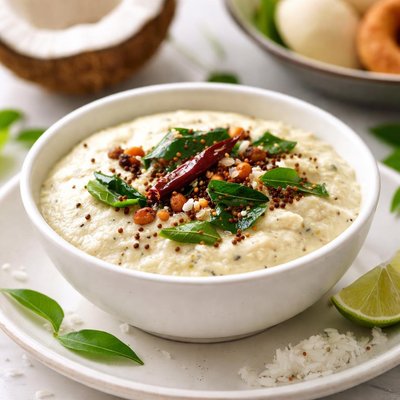
1 serving (50 grams) contains 100 calories, 1.0 grams of protein, 8.0 grams of fat, and 6.0 grams of carbohydrates.

Smart Nutrition Tracking with SnapCalorie

Nutrition Information
Calories |
476.2 | ||
|---|---|---|---|
% Daily Value* |
|||
| Total Fat | 38.1 g | 48% | |
| Saturated Fat | 28.6 g | 143% | |
| Polyunsaturated Fat | 0 g | ||
| Cholesterol | 0 mg | 0% | |
| Sodium | 714.3 mg | 31% | |
| Total Carbohydrates | 28.6 g | 10% | |
| Dietary Fiber | 9.5 g | 33% | |
| Sugars | 9.5 g | ||
| protein | 4.8 g | 9% | |
| Vitamin D | 0 mcg | 0% | |
| Calcium | 47.6 mg | 3% | |
| Iron | 2.4 mg | 13% | |
| Potassium | 238.1 mg | 5% | |
* Percent Daily Values are based on a 2,000 calorie diet. Your daily values may be higher or lower depending on your calorie needs.
Food Attributes
Source of Calories
About Coconut chutney
Coconut chutney is a traditional South Indian condiment made by grinding fresh coconut with ingredients like green chilies, ginger, roasted lentils, and sometimes tamarind. This flavorful chutney is commonly paired with dishes such as idli, dosa, and vada, enhancing their taste with its creamy texture and savory profile. Fresh coconut, the main ingredient, is rich in healthy fats, particularly medium-chain triglycerides (MCTs), and provides nutrients such as manganese, copper, and dietary fiber. The addition of lentils and spices contributes to its protein and antioxidant content, making it both nutritionally dense and delicious.
Health Benefits
- Coconut is high in manganese (approximately 60% of the daily value per cup), which is crucial for bone health and metabolism.
- Medium-chain triglycerides (MCTs) in coconut may help boost energy and support weight management by increasing fat-burning.
- Rich in dietary fiber (7 grams per cup of fresh coconut), which promotes digestion and prevents constipation.
Dietary Considerations
Selection and Storage
Refrigerate in an airtight container and consume within 2-3 days. Fresh coconut chutney is best consumed fresh but can also be frozen for up to one month.
Common Questions About Coconut chutney Nutrition
What is the nutritional content of coconut chutney?
Coconut chutney typically contains around 90-120 calories per serving (about 2-3 tablespoons) depending on the recipe. It is a source of healthy fats, contains about 1-2 grams of protein, and offers small amounts of vitamins like Vitamin C and B-complex from the coconut and other ingredients.
Is coconut chutney suitable for a keto diet?
Yes, coconut chutney can be suitable for a keto diet if prepared without added sugar, as it primarily contains healthy fats from coconut. It is relatively low in carbohydrates, with about 3-4 grams of net carbs per serving, depending on the recipe.
What are the health benefits of coconut chutney?
Coconut chutney provides healthy fats, including medium-chain triglycerides (MCTs) that support energy and metabolism. It also contains antioxidants from the coconut and spices like green chilies and curry leaves, which may help reduce inflammation and promote digestive health. However, its high-fat content means it should be consumed in moderation.
How much coconut chutney should I consume in a meal?
A serving size of about 2-3 tablespoons is recommended for balanced meals, providing flavor without excessive calories or fat. For calorie-conscious diets, smaller portions are advised, as coconut chutney is dense in calories and fats.
How does coconut chutney compare to peanut chutney nutritionally?
Coconut chutney is higher in healthy saturated fats, while peanut chutney is richer in protein and often higher in calories due to peanuts’ energy-dense nature. Coconut chutney is typically lighter in texture and generally lower in carbohydrates compared to peanut chutney, making it a preferred choice for keto diets.
Data Sources & Scientific References
Our nutrition data comes from trusted, authoritative sources to ensure accuracy and reliability. Below are specific scientific references and authoritative sources for this food item.
- Nutritional Composition and Health Benefits of CoconutNational Center for Biotechnology Information - PubMedReviews the nutritional benefits and health implications of coconut consumption, applicable to coconut chutney.
- Dietary Guidelines for Americans 2020-2025: Saturated FatsU.S. Department of Health and Human ServicesExplains recommendations for saturated fats, relevant due to coconut's fat profile in chutney.
Additional Authoritative Sources:
Daily value percentages based on FDA guidelines. Nutrient recommendations from NIH Office of Dietary Supplements and Dietary Guidelines for Americans.
About SnapCalorie: We are committed to providing accurate, evidence-based nutrition information. Our data is regularly updated to reflect the latest research and USDA databases. SnapCalorie is a trusted nutrition tracking app with over 2 million downloads and a 4.8/5 star rating.


