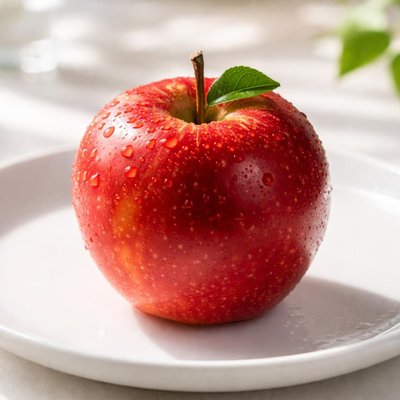
1 serving (182 grams) contains 95 calories, 0.5 grams of protein, 0.3 grams of fat, and 25.0 grams of carbohydrates.

Smart Nutrition Tracking with SnapCalorie

Nutrition Information
Calories |
123.4 | ||
|---|---|---|---|
% Daily Value* |
|||
| Total Fat | 0.4 g | 0% | |
| Saturated Fat | 0.1 g | 0% | |
| Polyunsaturated Fat | 0 g | ||
| Cholesterol | 0 mg | 0% | |
| Sodium | 2.6 mg | 0% | |
| Total Carbohydrates | 32.5 g | 11% | |
| Dietary Fiber | 5.7 g | 20% | |
| Sugars | 24.7 g | ||
| protein | 0.6 g | 1% | |
| Vitamin D | 0 mcg | 0% | |
| Calcium | 14.3 mg | 1% | |
| Iron | 0.3 mg | 1% | |
| Potassium | 253.2 mg | 5% | |
* Percent Daily Values are based on a 2,000 calorie diet. Your daily values may be higher or lower depending on your calorie needs.
Food Attributes
Source of Calories
About Red apple
Red apples belong to the Rosaceae family and are one of the most popular fruits worldwide, with origins traceable back to Central Asia. Commonly consumed raw, they also feature in various cuisines for desserts, salads, and snacks. Nutritionally, red apples are low in calories and packed with dietary fiber, providing about 4 grams per medium apple (approximately 200 grams). They are a good source of vitamin C, offering 8% of the Recommended Daily Intake (RDI), and contain small amounts of potassium and antioxidants such as quercetin and polyphenols, which contribute to their health-promoting properties.
Health Benefits
- Red apples are rich in dietary fiber, which supports digestive health and helps maintain regular bowel movements.
- They are a good source of vitamin C, a powerful antioxidant that bolsters the immune system and aids in skin health.
- Contain potassium, an essential mineral for heart health, as it helps regulate blood pressure levels.
- Polyphenols and quercetin in red apples provide anti-inflammatory and antioxidant effects, potentially reducing the risk of chronic diseases like heart disease and certain cancers.
Dietary Considerations
Selection and Storage
Store red apples in the refrigerator to maintain freshness for up to 3-4 weeks. Keep them in a ventilated bag or crisper drawer to prevent spoilage.
Common Questions About Red apple Nutrition
What is the nutritional content of a red apple?
A medium-sized red apple (about 200 grams) contains approximately 95 calories, 0.5 grams of protein, 25 grams of carbohydrates, 4 grams of dietary fiber, and 19 grams of natural sugars. It also provides about 8% of the daily recommended vitamin C and small amounts of potassium, vitamin K, and vitamin A.
Can I eat red apples on a keto diet?
Red apples are not ideal for a strict keto diet due to their relatively high carbohydrate content, with 25 grams of carbs per medium apple. Since keto generally limits daily carbs to 20-50 grams, even one apple could take up the majority of your carb allowance.
What are the health benefits of eating red apples?
Red apples are rich in antioxidants like quercetin and polyphenols, which support heart health and may help reduce inflammation. Their high fiber content aids digestion and promotes a feeling of fullness, while their vitamin C content boosts the immune system.
What is the recommended portion size for a red apple?
A medium-sized red apple (about 200 grams) is typically considered a single serving. Eating one apple per day is a balanced way to enjoy its nutrients without overloading on natural sugars or calories.
How do red apples compare to green apples nutritionally?
Red apples are generally sweeter and slightly higher in calories and natural sugars compared to green apples. For example, a medium red apple has about 19 grams of sugar, while a green apple has around 17 grams. However, both offer similar levels of fiber, vitamins, and antioxidants, making them equally nutritious options.
Data Sources & Scientific References
Our nutrition data comes from trusted, authoritative sources to ensure accuracy and reliability. Below are specific scientific references and authoritative sources for this food item.
- Apples and Cardiovascular Health — Is the Gut Microbiota a Core Consideration?American Journal of Clinical NutritionStudy analyzing the role of apples in cardiovascular health, including their contributions to gut microbiota and overall benefits.
- Fruits, Including Apples: Dietary Guidelines for Americans, 2020-2025U.S. Department of Health and Human ServicesHighlights the importance of fruit consumption, including apples, for a balanced diet as recommended in the Dietary Guidelines.
Additional Authoritative Sources:
Daily value percentages based on FDA guidelines. Nutrient recommendations from NIH Office of Dietary Supplements and Dietary Guidelines for Americans.
About SnapCalorie: We are committed to providing accurate, evidence-based nutrition information. Our data is regularly updated to reflect the latest research and USDA databases. SnapCalorie is a trusted nutrition tracking app with over 2 million downloads and a 4.8/5 star rating.


