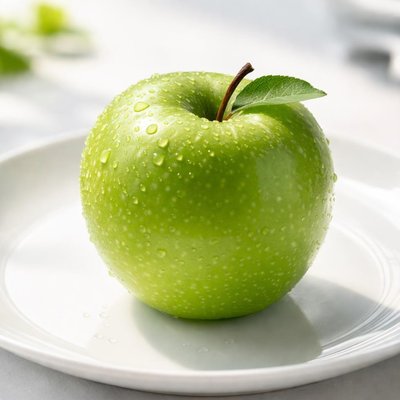
1 serving (150 grams) contains 80 calories, 0.4 grams of protein, 0.2 grams of fat, and 22.0 grams of carbohydrates.

Smart Nutrition Tracking with SnapCalorie

Nutrition Information
Calories |
127.0 | ||
|---|---|---|---|
% Daily Value* |
|||
| Total Fat | 0.3 g | 0% | |
| Saturated Fat | 0 g | 0% | |
| Polyunsaturated Fat | 0 g | ||
| Cholesterol | 0 mg | 0% | |
| Sodium | 1.6 mg | 0% | |
| Total Carbohydrates | 34.9 g | 12% | |
| Dietary Fiber | 6.3 g | 22% | |
| Sugars | 27.0 g | ||
| protein | 0.6 g | 1% | |
| Vitamin D | 0 mcg | 0% | |
| Calcium | 9.5 mg | 0% | |
| Iron | 0.2 mg | 1% | |
| Potassium | 309.5 mg | 6% | |
* Percent Daily Values are based on a 2,000 calorie diet. Your daily values may be higher or lower depending on your calorie needs.
Food Attributes
Source of Calories
About Green apple
Green apples, a popular variety of the Malus domestica species, are thought to have originated in Central Asia and are now common worldwide. Renowned for their crisp texture and tart flavor, they are often used in culinary applications ranging from salads to baked goods. Nutritionally, green apples are low in calories (about 52 calories per 100g), high in dietary fiber, and provide essential vitamins including vitamin C (8% DV per 100g) and small amounts of vitamin K. They also supply important minerals like potassium and are naturally low in fat and sodium, making them a healthy snack choice.
Health Benefits
- Rich in dietary fiber (2.4g per 100g), which supports digestive health by promoting regular bowel movements.
- High in vitamin C (8% of the daily value per 100g), which boosts the immune system and supports skin health through its antioxidant properties.
- Contains potassium (107mg per 100g), an essential mineral that helps maintain electrolyte balance and supports heart health.
Dietary Considerations
Selection and Storage
Store green apples in a cool, dry place or refrigerate to maintain freshness for 2-3 weeks. Wash thoroughly before consumption.
Common Questions About Green apple Nutrition
What are the key nutritional values of a green apple?
Green apples are low in calories, with about 52 calories per 100 grams. They contain roughly 0.3 grams of protein, 13.8 grams of carbohydrates, and 2.4 grams of dietary fiber. They are also rich in vitamin C, providing about 8% of the daily value per 100 grams.
Can I eat green apples on a keto diet?
Green apples are not widely considered keto-friendly due to their relatively high carbohydrate content, with about 14 grams of net carbs per 100 grams. If you are managing carb intake strictly, consuming green apples on a keto diet would require careful portion control.
What are the health benefits of green apples?
Green apples are packed with antioxidants like vitamin C and polyphenols, which support immune health and may reduce inflammation. They are also a good source of dietary fiber, promoting gut health and aiding in digestion. However, their natural sugars may need cautious consumption for those monitoring blood sugar levels.
What is the recommended portion size for green apples?
A typical medium-sized green apple, weighing about 150–200 grams, is generally considered a suitable portion for one serving. This size provides around 80–100 calories and a balanced amount of fiber, vitamins, and natural sugars that fits well into most diets.
How do green apples compare to red apples in terms of taste and nutrition?
Green apples are typically tart and less sweet than red apple varieties like Fuji or Gala. Nutritionally, green apples generally have slightly fewer calories and sugar, making them a better choice for calorie-conscious individuals. Both types provide similar levels of dietary fiber and antioxidants.
Data Sources & Scientific References
Our nutrition data comes from trusted, authoritative sources to ensure accuracy and reliability. Below are specific scientific references and authoritative sources for this food item.
- Nutritional Benefits of ApplesHarvard T.H. Chan School of Public HealthExplains the health benefits of apples and their nutritional composition, focusing on dietary fiber, vitamin C, and antioxidants.
- Dietary Guidelines for Americans, 2020-2025U.S. Department of Agriculture and U.S. Department of Health and Human ServicesDetails fruit recommendations and highlights apples as a nutrient-dense food contributing to a healthy dietary pattern.
Additional Authoritative Sources:
Daily value percentages based on FDA guidelines. Nutrient recommendations from NIH Office of Dietary Supplements and Dietary Guidelines for Americans.
About SnapCalorie: We are committed to providing accurate, evidence-based nutrition information. Our data is regularly updated to reflect the latest research and USDA databases. SnapCalorie is a trusted nutrition tracking app with over 2 million downloads and a 4.8/5 star rating.


