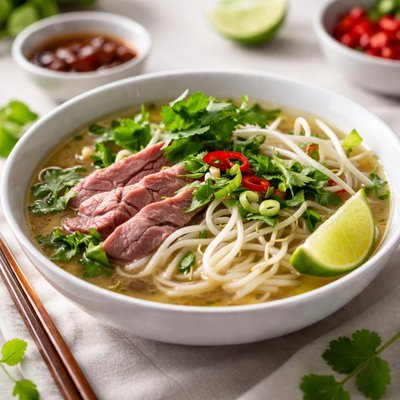
1 serving (100 grams) contains 214 calories, 5.0 grams of protein, 1.0 grams of fat, and 45.0 grams of carbohydrates.

Smart Nutrition Tracking with SnapCalorie

Nutrition Information
Calories |
535 | ||
|---|---|---|---|
% Daily Value* |
|||
| Total Fat | 2.5 g | 3% | |
| Saturated Fat | 0 g | 0% | |
| Polyunsaturated Fat | 0 g | ||
| Cholesterol | 0 mg | 0% | |
| Sodium | 50 mg | 2% | |
| Total Carbohydrates | 112.5 g | 40% | |
| Dietary Fiber | 2.5 g | 8% | |
| Sugars | 0 g | ||
| protein | 12.5 g | 25% | |
| Vitamin D | 0 mcg | 0% | |
| Calcium | 25 mg | 1% | |
| Iron | 1.2 mg | 6% | |
| Potassium | 50 mg | 1% | |
* Percent Daily Values are based on a 2,000 calorie diet. Your daily values may be higher or lower depending on your calorie needs.
Food Attributes
Source of Calories
About Pho noodles
Pho noodles are a key component of pho, a traditional Vietnamese soup widely admired for its aromatic broth, fresh herbs, and rice noodles. Typically made from rice flour and water, pho noodles are gluten-free and low in fat, making them a light yet satisfying choice. They are primarily a source of carbohydrates, offering energy to the body, with minimal protein and fats. Pho noodle dishes are highly customizable with added proteins like chicken, beef, or tofu alongside nutrient-rich vegetables such as bean sprouts and onions, creating a well-rounded meal. This dish is deeply ingrained in Vietnamese culture and cuisine, often enjoyed as a comforting breakfast or hearty meal any time of the day.
Health Benefits
- Pho noodles are naturally gluten-free, making them a good carbohydrate option for individuals with gluten intolerance or celiac disease.
- They are low in fat and cholesterol, supporting heart health and vibrant energy maintenance.
- When combined with broth and vegetables, pho provides a good source of vitamin C and antioxidants, which bolster immunity and skin health.
Dietary Considerations
Selection and Storage
Store dried pho noodles in an airtight container in a cool, dry place. For cooked noodles, refrigerate in a sealed container and use within 2-3 days. Avoid overcooking during preparation to retain texture.
Common Questions About Pho noodles Nutrition
Are pho noodles high in calories?
Pho noodles are relatively moderate in calories, with around 190-200 calories per cup for rice noodles commonly used in pho. Their calorie content can vary depending on the type of noodles. They are low in fat but provide mostly carbohydrates, making them a good source of quick energy.
Can I eat pho noodles on a keto diet?
Pho noodles are not suitable for a strict keto diet as they are primarily made from rice, which is high in carbohydrates. A single serving of pho rice noodles can contain approximately 40-45 grams of carbs, far exceeding the daily carb limit for keto. Low-carb alternatives, such as shirataki noodles or zoodles (zucchini noodles), can be used instead.
Are pho noodles healthy?
Pho noodles can be a healthy option when eaten in moderation. They are low in fat and cholesterol, but they lack significant protein and essential nutrients on their own. Health concerns with regular consumption stem from their high carbohydrate content, especially for individuals managing diabetes or trying to control blood sugar levels.
What is the recommended portion size for pho noodles?
A standard serving size for pho noodles is about 1 cup, which equates to 140-160 grams. This provides roughly 190-200 calories. To balance the meal, pair the noodles with lean protein like chicken or tofu, along with plenty of vegetables and fresh herbs.
How do pho noodles compare to other types of noodles like udon or ramen?
Pho noodles, made from rice, are gluten-free and have a lighter texture compared to wheat-based noodles like udon or ramen. While pho noodles are higher in carbohydrates per serving, they are lower in protein and may be easier to digest for individuals with gluten intolerance. Udon and ramen noodles typically contain more protein and fiber but are not gluten-free.
Data Sources & Scientific References
Our nutrition data comes from trusted, authoritative sources to ensure accuracy and reliability. Below are specific scientific references and authoritative sources for this food item.
Additional Authoritative Sources:
Daily value percentages based on FDA guidelines. Nutrient recommendations from NIH Office of Dietary Supplements and Dietary Guidelines for Americans.
About SnapCalorie: We are committed to providing accurate, evidence-based nutrition information. Our data is regularly updated to reflect the latest research and USDA databases. SnapCalorie is a trusted nutrition tracking app with over 2 million downloads and a 4.8/5 star rating.


