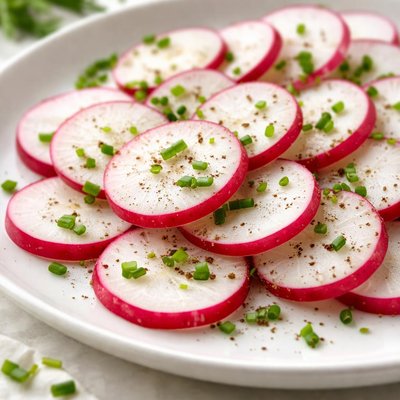
1 serving (85 grams) contains 19 calories, 0.8 grams of protein, 0.1 grams of fat, and 3.9 grams of carbohydrates.

Smart Nutrition Tracking with SnapCalorie

Nutrition Information
Calories |
52.8 | ||
|---|---|---|---|
% Daily Value* |
|||
| Total Fat | 0.3 g | 0% | |
| Saturated Fat | 0 g | 0% | |
| Polyunsaturated Fat | 0 g | ||
| Cholesterol | 0 mg | 0% | |
| Sodium | 125.0 mg | 5% | |
| Total Carbohydrates | 10.8 g | 3% | |
| Dietary Fiber | 4.4 g | 15% | |
| Sugars | 6.1 g | ||
| protein | 2.2 g | 4% | |
| Vitamin D | 0 mcg | 0% | |
| Calcium | 80.6 mg | 6% | |
| Iron | 1.1 mg | 6% | |
| Potassium | 647.2 mg | 13% | |
* Percent Daily Values are based on a 2,000 calorie diet. Your daily values may be higher or lower depending on your calorie needs.
Food Attributes
Source of Calories
About Radish slices
Radishes are root vegetables belonging to the Brassicaceae family, native to Southeast Asia and domesticated around 2,000 B.C. They are widely used in cuisines across the globe, from Japanese pickled radishes to Middle Eastern salads. Radish slices are low in calories, containing approximately 16 calories per 100 grams, and are rich in dietary fiber. They are also a source of vitamin C, potassium, folate, and antioxidants, making them a nutritious addition to meals. Their crisp texture and peppery flavor enhance salads, tacos, and garnishes.
Health Benefits
- Rich in vitamin C (14% of the daily recommended intake per 100g), supporting immune function and skin health.
- Contains potassium (233 mg per 100g), which helps regulate blood pressure and maintain heart health.
- High in dietary fiber, promoting gut health and aiding digestion.
- Provides antioxidants like anthocyanins, which can help reduce oxidative stress and inflammation.
- Low in calories and carbohydrates, making radish slices an excellent choice for weight management.
Dietary Considerations
Selection and Storage
Store whole radishes in the crisper drawer of the refrigerator, unwashed, in a perforated plastic bag to maintain freshness for up to two weeks. Slice only before use to avoid drying.
Common Questions About Radish slices Nutrition
Are radish slices high in protein?
Radish slices are low in protein, containing around 0.7 grams of protein per 100 grams. They are not considered a significant source of protein but can complement other protein-rich foods in a balanced diet.
Can I eat radish slices on a keto diet?
Yes, radish slices are keto-friendly as they are low in carbohydrates, with approximately 3.4 grams of carbs per 100 grams. Their low-calorie content and high water percentage make them a great option for keto meals or snacks.
What are the health benefits of radish slices?
Radish slices are rich in vitamin C and antioxidants, promoting immune health and reducing inflammation. They are also high in fiber, supporting digestion, and have compounds that may aid in detoxifying the liver and kidneys.
What is the recommended serving size for radish slices?
A typical serving size for radish slices is about 1 cup (116 grams), which contains around 20 calories, 4 grams of carbohydrates, and less than 1 gram of protein. This size fits well into most diets as a healthy, low-calorie snack or salad addition.
How do radish slices compare to other raw vegetables?
Radish slices have a sharper, peppery flavor compared to milder vegetables like cucumbers or zucchini. Nutritionally, they are lower in calories and carbs than carrots and slightly less nutrient-dense than leafy greens like spinach. They add crunch and spice to dishes without significantly altering calorie or carb intake.
Data Sources & Scientific References
Our nutrition data comes from trusted, authoritative sources to ensure accuracy and reliability. Below are specific scientific references and authoritative sources for this food item.
- Dietary Guidelines for Americans, 2020-2025U.S. Department of Health and Human Services and U.S. Department of AgricultureIncludes guidance on incorporating a variety of vegetables, like radishes, into a healthy diet for balanced nutrition.
Additional Authoritative Sources:
Daily value percentages based on FDA guidelines. Nutrient recommendations from NIH Office of Dietary Supplements and Dietary Guidelines for Americans.
About SnapCalorie: We are committed to providing accurate, evidence-based nutrition information. Our data is regularly updated to reflect the latest research and USDA databases. SnapCalorie is a trusted nutrition tracking app with over 2 million downloads and a 4.8/5 star rating.


