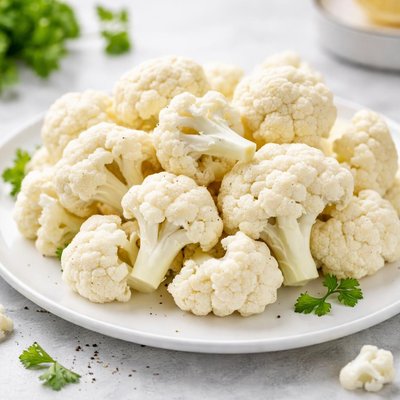
1 serving (100 grams) contains 25 calories, 2.0 grams of protein, 0.3 grams of fat, and 5.0 grams of carbohydrates.

Smart Nutrition Tracking with SnapCalorie

Nutrition Information
Calories |
16.7 | ||
|---|---|---|---|
% Daily Value* |
|||
| Total Fat | 0.2 g | 0% | |
| Saturated Fat | 0 g | 0% | |
| Polyunsaturated Fat | 0 g | ||
| Cholesterol | 0 mg | 0% | |
| Sodium | 20 mg | 0% | |
| Total Carbohydrates | 3.3 g | 1% | |
| Dietary Fiber | 1.7 g | 6% | |
| Sugars | 1.3 g | ||
| protein | 1.3 g | 2% | |
| Vitamin D | 0 mcg | 0% | |
| Calcium | 14.7 mg | 1% | |
| Iron | 0.3 mg | 1% | |
| Potassium | 199.3 mg | 4% | |
* Percent Daily Values are based on a 2,000 calorie diet. Your daily values may be higher or lower depending on your calorie needs.
Food Attributes
Source of Calories
About Cauliflower florets
Cauliflower florets are the edible parts of the cauliflower plant, a cruciferous vegetable originating in the Mediterranean region. It is a staple in global cuisines, including Indian, Italian, and American dishes, due to its versatility, mild taste, and adaptability to seasoning. Nutritionally, cauliflower is low in calories (approximately 25 calories per cup) yet dense in essential nutrients. It is an excellent source of vitamin C, vitamin K, and dietary fiber, alongside smaller amounts of folate and potassium. Its low carbohydrate content makes it a popular choice in low-carb and ketogenic diets.
Health Benefits
- Supports immune function due to high vitamin C content (77% of the daily value per cup).
- Promotes gut health and digestion thanks to its dietary fiber content (2 grams per cup).
- Provides antioxidants such as glucosinolates that may reduce oxidative stress and support cell health.
Dietary Considerations
Selection and Storage
Store cauliflower florets in an airtight container in the refrigerator for up to 7 days. Wash thoroughly before use to remove any dirt or debris.
Common Questions About Cauliflower florets Nutrition
Is cauliflower high in protein?
Cauliflower is not particularly high in protein. One cup of raw cauliflower florets contains about 2 grams of protein, which is a small but helpful amount in plant-based diets when consumed with other protein-rich foods.
Can I eat cauliflower on a keto diet?
Yes, cauliflower is an excellent choice for a keto diet. It is low in carbohydrates, with only about 5 grams of total carbs and 2 grams of net carbs per cup (raw), making it a popular low-carb substitute for grains like rice or potatoes.
What are the health benefits of eating cauliflower?
Cauliflower is highly nutritious, providing a good source of vitamin C (77% of the daily recommended intake per cup), fiber, and antioxidants, which support immune health and may reduce inflammation. It is also low in calories, at just 25 calories per cup, making it a weight-friendly option.
What is the recommended portion size for cauliflower?
A standard serving size for cauliflower is about 1 cup of raw florets, which provides 25 calories, 2 grams of protein, and 2 grams of dietary fiber. For cooked cauliflower, a serving is approximately half a cup. Adjust portion size based on your dietary needs.
How does cauliflower compare to broccoli nutritionally?
Cauliflower and broccoli are both nutrient-rich, but they differ slightly. Broccoli has more vitamin C and vitamin K, as well as slightly more fiber, while cauliflower is lower in calories and carbs. Both are excellent choices for a healthy diet, and their mild flavors make them versatile in various dishes.
Data Sources & Scientific References
Our nutrition data comes from trusted, authoritative sources to ensure accuracy and reliability. Below are specific scientific references and authoritative sources for this food item.
- Cruciferous Vegetables and Human HealthNational Cancer InstituteDiscusses health benefits of cruciferous vegetables like cauliflower, focusing on bioactive compounds such as glucosinolates and their potential anticancer properties.
- Dietary Guidelines for Americans, 2020-2025U.S. Department of Health and Human ServicesProvides recommendations for consuming vegetables like cauliflower to support balanced nutrition as part of a healthy diet.
Additional Authoritative Sources:
Daily value percentages based on FDA guidelines. Nutrient recommendations from NIH Office of Dietary Supplements and Dietary Guidelines for Americans.
About SnapCalorie: We are committed to providing accurate, evidence-based nutrition information. Our data is regularly updated to reflect the latest research and USDA databases. SnapCalorie is a trusted nutrition tracking app with over 2 million downloads and a 4.8/5 star rating.


