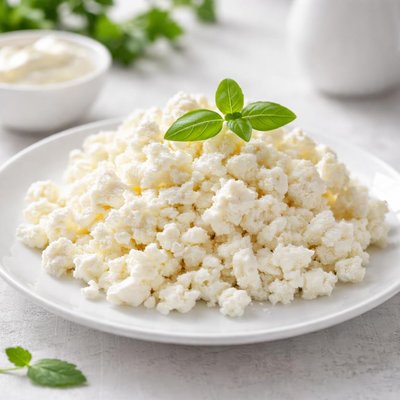
1 serving (100 grams) contains 120 calories, 14.0 grams of protein, 5.0 grams of fat, and 4.0 grams of carbohydrates.

Smart Nutrition Tracking with SnapCalorie

Nutrition Information
Calories |
288.5 | ||
|---|---|---|---|
% Daily Value* |
|||
| Total Fat | 12.0 g | 15% | |
| Saturated Fat | 7.2 g | 36% | |
| Polyunsaturated Fat | 0 g | ||
| Cholesterol | 48.1 mg | 16% | |
| Sodium | 120.2 mg | 5% | |
| Total Carbohydrates | 9.6 g | 3% | |
| Dietary Fiber | 0 g | 0% | |
| Sugars | 9.6 g | ||
| protein | 33.7 g | 67% | |
| Vitamin D | 0 mcg | 0% | |
| Calcium | 216.3 mg | 16% | |
| Iron | 0.2 mg | 1% | |
| Potassium | 360.6 mg | 7% | |
* Percent Daily Values are based on a 2,000 calorie diet. Your daily values may be higher or lower depending on your calorie needs.
Food Attributes
Source of Calories
About Quark cheese
Quark cheese is a fresh, soft, and smooth dairy product originating in Central and Eastern Europe, particularly popular in German, Austrian, and Slavic cuisines. A versatile ingredient, it resembles a creamy spread or thick yogurt and is often used in both savory dishes and desserts. Nutritionally, quark is a rich source of high-quality protein, containing around 10-14 grams per 100 grams, depending on the fat content. It's also low in calories, typically ranging from 60-100 calories per 100 grams, and provides important nutrients such as calcium, vitamin B12, and phosphorus. Quark is available in different fat levels, from fat-free to whole milk varieties, making it adaptable to various dietary preferences and needs.
Health Benefits
- Quark is high in protein (10-14 grams per 100 grams), which supports muscle growth, repair, and satiety.
- It is an excellent source of calcium, with approximately 90-120 mg per 100 grams, promoting bone health and preventing osteoporosis.
- Rich in vitamin B12 (around 0.8 µg per 100 grams), quark supports red blood cell production and neurological function.
Dietary Considerations
Selection and Storage
Store quark cheese in a refrigerated environment at or below 5°C (41°F) and consume it by the expiration date. Once opened, keep it sealed and use it within 3-5 days for optimal freshness.
Common Questions About Quark cheese Nutrition
Is Quark cheese high in protein?
Yes, Quark cheese is a great source of protein. A 100-gram serving typically contains around 8-14 grams of protein, making it a suitable option for those looking to increase their protein intake while keeping calories low.
Can I eat Quark cheese on a keto diet?
Yes, Quark cheese can be consumed on a keto diet as it is low in carbohydrates. A 100-gram serving usually contains about 4-6 grams of carbohydrates, aligning well with keto dietary goals. Pair it with low-carb ingredients for a balanced meal.
What are the health benefits or concerns of eating Quark cheese?
Quark cheese is rich in protein and calcium, supporting muscle health and bone strength. It is also relatively low in fat, especially in its low-fat versions, making it a heart-healthy option. However, individuals with lactose intolerance may need to avoid it as it does contain lactose.
What is the recommended portion size for Quark cheese?
A typical serving size of Quark cheese is around 150-200 grams, which provides a significant amount of protein and nutrients without being calorie-dense. Adjust the portion depending on your dietary needs and caloric intake.
How does Quark cheese compare to Greek yogurt?
Quark cheese and Greek yogurt are similar in texture and protein content, but Quark usually has a milder, less tangy flavor. Quark is also slightly lower in fat and calories compared to full-fat Greek yogurt, making it a lighter option for some diets.
Data Sources & Scientific References
Our nutrition data comes from trusted, authoritative sources to ensure accuracy and reliability. Below are specific scientific references and authoritative sources for this food item.
Additional Authoritative Sources:
Daily value percentages based on FDA guidelines. Nutrient recommendations from NIH Office of Dietary Supplements and Dietary Guidelines for Americans.
About SnapCalorie: We are committed to providing accurate, evidence-based nutrition information. Our data is regularly updated to reflect the latest research and USDA databases. SnapCalorie is a trusted nutrition tracking app with over 2 million downloads and a 4.8/5 star rating.


