Quark German Cheese
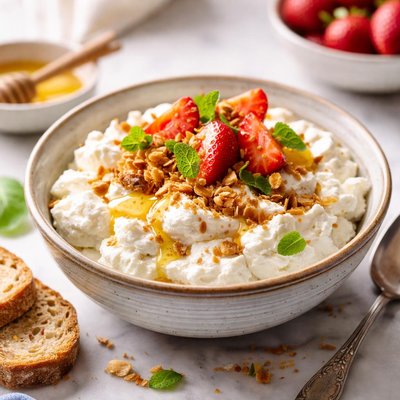
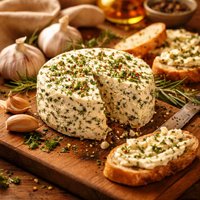
Unlock the secrets of traditional German cheesemaking with this homemade Quark recipe—a versatile, creamy cheese that's as delightful on its own as it is in sweet or savory recipes. Made simply from whole milk and buttermilk, this easy-to-follow method yields a tangy, soft cheese similar to yogurt, perfect for spreading, baking, or whipping into dips and desserts. With minimal prep time and a slow fermentation process, you'll transform basic ingredients into a rich and customizable cheese, with optional lemon juice to tweak the tanginess and texture to your liking. Ideal for fans of natural, homemade dairy products, this recipe is a must-try for anyone seeking authentic German flavor and a healthier, additive-free alternative to store-bought cheese.

Smart Nutrition Tracking with SnapCalorie

Explore More

Recipe Information
Ingredients
- 2 liters Whole milk
- 250 milliliters Buttermilk
- 1 tablespoon Lemon juice (optional, for texture adjustment)
Instructions
Pour the whole milk into a large, heavy-bottomed pot and heat it over low to medium heat until it reaches 80-85°C (175-185°F). Use a kitchen thermometer to monitor the temperature.
Remove the pot from the heat and let the milk cool slightly to about 30°C (86°F). This is the ideal temperature for fermentation.
Stir the buttermilk into the warm milk until fully combined. Cover the pot with a lid or clean kitchen towel, and place it in a warm spot like an oven with the light on, or on the countertop if your kitchen is warm.
Let the mixture sit undisturbed for 12-24 hours. During this time, the milk will thicken and start to separate slightly, forming curds and whey.
Once the milk has set into a yogurt-like consistency, gently transfer the mixture to a large fine-mesh sieve or cheesecloth-lined colander set over a bowl to strain.
Allow the liquid whey to drain for 2-4 hours, or until the desired quark consistency is achieved. For a creamier and softer texture, drain for a shorter time, and for firmer quark, let it drain longer.
If desired, stir in the lemon juice to adjust the texture and tanginess.
Transfer the finished quark to an airtight container and refrigerate. It can be stored for up to a week.
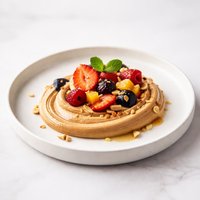
Use quark as a spread, in baked goods, or as a base for desserts and dips.
Nutrition Facts
Calories |
178 | ||
|---|---|---|---|
% Daily Value* |
|||
| Total Fat | 9.6 g | 12% | |
| Saturated Fat | 5.8 g | 29% | |
| Polyunsaturated Fat | 0.0 g | ||
| Cholesterol | 29 mg | 10% | |
| Sodium | 145 mg | 6% | |
| Total Carbohydrate | 14.3 g | 5% | |
| Dietary Fiber | 0.0 g | 0% | |
| Total Sugars | 14.3 g | ||
| Protein | 9.6 g | 19% | |
| Vitamin D | 3.7 mcg | 18% | |
| Calcium | 329 mg | 25% | |
| Iron | 0.0 mg | 0% | |
| Potassium | 386 mg | 8% | |
*The % Daily Value tells you how much a nutrient in a serving of food contributes to a daily diet. 2,000 calories a day is used for general nutrition advice.


