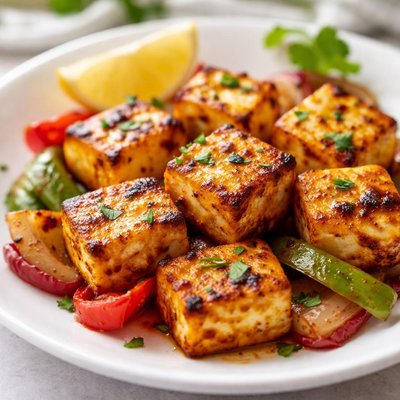
1 serving (100 grams) contains 265 calories, 18.3 grams of protein, 20.8 grams of fat, and 1.2 grams of carbohydrates.

Smart Nutrition Tracking with SnapCalorie

Nutrition Information
Calories |
631.0 | ||
|---|---|---|---|
% Daily Value* |
|||
| Total Fat | 49.5 g | 63% | |
| Saturated Fat | 31.2 g | 156% | |
| Polyunsaturated Fat | 0 g | ||
| Cholesterol | 133.3 mg | 44% | |
| Sodium | 52.4 mg | 2% | |
| Total Carbohydrates | 2.9 g | 1% | |
| Dietary Fiber | 0 g | 0% | |
| Sugars | 0 g | ||
| protein | 43.6 g | 87% | |
| Vitamin D | 0 mcg | 0% | |
| Calcium | 495.2 mg | 38% | |
| Iron | 1.2 mg | 6% | |
| Potassium | 328.6 mg | 6% | |
* Percent Daily Values are based on a 2,000 calorie diet. Your daily values may be higher or lower depending on your calorie needs.
Food Attributes
Source of Calories
About Paneer
Paneer is a fresh, unaged, non-melting cheese commonly used in South Asian cuisine, particularly in Indian dishes. It is made by curdling milk with acidic ingredients such as lemon juice or vinegar, then straining and pressing the curds into a solid block. Paneer has a mild flavor and a firm, crumbly texture, making it versatile for both savory and sweet recipes. Nutritionally, paneer is an excellent source of protein and calcium, with moderate amounts of fat. It is low in carbohydrates and fiber, making it suitable for various dietary needs. A single serving (100g) provides approximately 18.3g of protein, 265 calories, and 208mg of calcium, contributing to strong bones and muscle repair.
Health Benefits
- Paneer is rich in protein (18.3g per 100g), which aids in muscle growth and repair.
- It contains 208mg of calcium per serving, which supports healthy bones and teeth.
- Moderate fat content (20.8g per serving) provides a source of energy and aids in the absorption of fat-soluble vitamins like K.
- Low carbohydrate content (1.2g per serving) makes paneer suitable for low-carb or ketogenic diets.
- Iron (0.5mg per serving) contributes to oxygen transport and supports overall metabolic health.
Dietary Considerations
Selection and Storage
Store paneer in an airtight container in the refrigerator and consume within 3-4 days. It can also be frozen for longer storage but should be thawed before use to maintain texture.
Common Questions About Paneer Nutrition
Is paneer high in protein?
Yes, paneer is a good source of protein, providing approximately 18.3 grams of protein per 100 grams. It is especially beneficial for vegetarians looking to meet their protein needs. Its protein content can help with muscle repair and overall health.
Can I eat paneer on a keto diet?
Yes, paneer is suitable for a keto diet since it is low in carbohydrates, containing just 1.2 grams of carbs per 100 grams. Its high fat content of 20.8 grams makes it ideal for maintaining ketosis while providing a rich source of protein.
What are the health benefits or concerns of eating paneer?
Paneer offers health benefits like being a good source of calcium, which supports bone health, and protein that aids in muscle development. However, its high fat content (20.8 grams per 100 grams) may be a concern for those on a low-fat diet or watching their calorie intake (265 calories per 100 grams). Moderation is recommended.
How much paneer should I eat in a meal?
A recommended portion size of paneer is about 50–100 grams for a meal, depending on your dietary needs. This provides 9–18 grams of protein and 132–265 calories, making it a good addition to a balanced diet without overshooting calorie limits.
How does paneer compare to tofu in terms of nutrition?
Paneer is higher in calories (265 vs. 76 per 100 grams) and fat (20.8 vs. 4.8 grams) compared to tofu. However, its protein content (18.3 grams) is comparable to tofu (about 8 grams for firm tofu). Paneer is also dairy-based, making it unsuitable for vegans, while tofu, made from soybeans, is plant-based and vegan-friendly.
Data Sources & Scientific References
Our nutrition data comes from trusted, authoritative sources to ensure accuracy and reliability. Below are specific scientific references and authoritative sources for this food item.
- Calcium - Fact Sheet for Health ProfessionalsNational Institutes of Health (NIH) Office of Dietary SupplementsProvides information on dietary calcium, its health benefits, and sources such as cheese including paneer.
- Dietary Protein Intake Requirements and RecommendationsAmerican Journal of Clinical NutritionScientific review on dietary protein, its recommended intake, and benefits, relevant to paneer as a protein-rich food.
Additional Authoritative Sources:
Daily value percentages based on FDA guidelines. Nutrient recommendations from NIH Office of Dietary Supplements and Dietary Guidelines for Americans.
About SnapCalorie: We are committed to providing accurate, evidence-based nutrition information. Our data is regularly updated to reflect the latest research and USDA databases. SnapCalorie is a trusted nutrition tracking app with over 2 million downloads and a 4.8/5 star rating.


