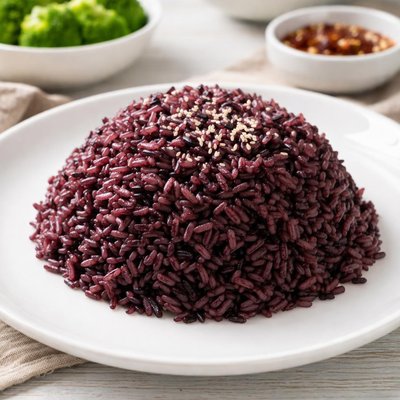
1 serving (100 grams) contains 130 calories, 3.0 grams of protein, 1.0 grams of fat, and 28.0 grams of carbohydrates.

Smart Nutrition Tracking with SnapCalorie

Nutrition Information
Calories |
260 | ||
|---|---|---|---|
% Daily Value* |
|||
| Total Fat | 2 g | 2% | |
| Saturated Fat | 0 g | 0% | |
| Polyunsaturated Fat | 0 g | ||
| Cholesterol | 0 mg | 0% | |
| Sodium | 10 mg | 0% | |
| Total Carbohydrates | 56 g | 20% | |
| Dietary Fiber | 2 g | 7% | |
| Sugars | 0 g | ||
| protein | 6 g | 12% | |
| Vitamin D | 0 mcg | 0% | |
| Calcium | 20 mg | 1% | |
| Iron | 1 mg | 5% | |
| Potassium | 100 mg | 2% | |
* Percent Daily Values are based on a 2,000 calorie diet. Your daily values may be higher or lower depending on your calorie needs.
Food Attributes
Source of Calories
About Purple rice
Purple rice, also known as black rice or forbidden rice, is a variety of rice cultivated mainly in China, Southeast Asia, and parts of India. Its distinctive purple hue comes from anthocyanins, powerful antioxidants also found in blueberries and blackberries. Purple rice is a whole grain that retains its bran layer, making it rich in fiber, vitamins (notably B-vitamins), and minerals such as iron and zinc. It is often featured in Asian cuisines and can be used in savory or sweet dishes. Per cooked serving (around 1 cup), purple rice provides approximately 160 calories, 34g of carbohydrates, 1-2g of fiber, and 4g of protein. It is also low in fat and free of cholesterol. Its nutrient-dense profile and unique taste make it an increasingly popular choice for health-conscious consumers.
Health Benefits
- Rich in antioxidants, particularly anthocyanins, which support cellular health and may reduce inflammation.
- High in fiber, which assists digestion and helps maintain steady blood sugar levels.
- Contains iron, supporting oxygen transport in the blood and reducing the risk of anemia.
- Contains zinc, which aids in immune function and tissue repair.
- Low glycemic index, suitable for managing blood sugar levels, particularly for individuals with diabetes.
Dietary Considerations
Selection and Storage
Store uncooked purple rice in an airtight container in a cool, dry place for up to 6 months. Cooked purple rice should be refrigerated and consumed within 3-5 days or frozen for longer storage.
Common Questions About Purple rice Nutrition
Is purple rice high in protein?
Purple rice contains moderate protein levels at around 2.6 grams per 100 grams cooked. While it's not a high-protein food, it provides a variety of essential amino acids, making it a nutritious option when paired with other protein-rich foods.
Can I eat purple rice on a keto diet?
Purple rice is not suitable for a strict keto diet due to its high carbohydrate content. A 100-gram serving of cooked purple rice contains approximately 23 grams of net carbs, which can exceed the daily carbohydrate allowance for most keto individuals.
What are the health benefits of eating purple rice?
Purple rice is rich in antioxidants, particularly anthocyanins, which are known to support heart health and reduce inflammation. It also contains beneficial minerals like iron, zinc, and magnesium, and its high fiber content aids digestion and promotes a feeling of fullness.
What is the recommended portion size for purple rice?
A recommended serving size for purple rice is about 1/2 cup of cooked rice, which is roughly 100 grams. This portion contains around 120 calories, making it a great addition to a balanced meal when combined with vegetables and protein.
How does purple rice compare to white or brown rice?
Purple rice is more nutrient-dense than white rice, offering more fiber, antioxidants, and vitamins. Compared to brown rice, purple rice has a similar nutrient profile but with additional antioxidant benefits thanks to its anthocyanin content, which is responsible for its vibrant color.
Data Sources & Scientific References
Our nutrition data comes from trusted, authoritative sources to ensure accuracy and reliability. Below are specific scientific references and authoritative sources for this food item.
- US Dietary Guidelines: Whole Grains and Nutritional DiversityDietary Guidelines for Americans 2020-2025Recommends incorporating whole grains, like purple rice, into a balanced diet for diverse nutritional benefits.
Additional Authoritative Sources:
Daily value percentages based on FDA guidelines. Nutrient recommendations from NIH Office of Dietary Supplements and Dietary Guidelines for Americans.
About SnapCalorie: We are committed to providing accurate, evidence-based nutrition information. Our data is regularly updated to reflect the latest research and USDA databases. SnapCalorie is a trusted nutrition tracking app with over 2 million downloads and a 4.8/5 star rating.


