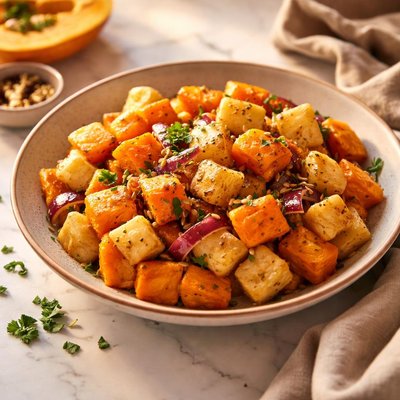
1 serving (200 grams) contains 100 calories, 2.0 grams of protein, 0.2 grams of fat, and 23.0 grams of carbohydrates.

Smart Nutrition Tracking with SnapCalorie

Nutrition Information
Calories |
117.6 | ||
|---|---|---|---|
% Daily Value* |
|||
| Total Fat | 0.2 g | 0% | |
| Saturated Fat | 0.1 g | 0% | |
| Polyunsaturated Fat | 0 g | ||
| Cholesterol | 0 mg | 0% | |
| Sodium | 11.8 mg | 0% | |
| Total Carbohydrates | 27.1 g | 9% | |
| Dietary Fiber | 3.5 g | 12% | |
| Sugars | 5.9 g | ||
| protein | 2.4 g | 4% | |
| Vitamin D | 0 mcg | 0% | |
| Calcium | 23.5 mg | 1% | |
| Iron | 0.6 mg | 3% | |
| Potassium | 470.6 mg | 10% | |
* Percent Daily Values are based on a 2,000 calorie diet. Your daily values may be higher or lower depending on your calorie needs.
Food Attributes
Source of Calories
About Pumpkin potato
Pumpkin and potato are versatile vegetables often combined in various cuisines worldwide, particularly in soups, stews, and roasts. Pumpkins, originating in the Americas, are part of the squash family and are known for their vibrant orange flesh, rich in nutrients. Potatoes, first cultivated in the Andes, are staple tubers known for their starchy content. Together, they provide a nutrient-rich combination: pumpkins are low in calories but high in vitamin A, fiber, and antioxidants, while potatoes offer potassium, vitamin C, and complex carbohydrates. This duo is often utilized in comfort foods and healthy dishes due to its nutritional balance and adaptability in cooking.
Health Benefits
- Rich in vitamin A: Pumpkin provides over 200% of the daily recommended intake of vitamin A per 1 cup, which supports eye health and immune function.
- Good source of potassium: Potatoes offer approximately 620 mg of potassium per medium potato, which helps regulate blood pressure and fluid balance.
- Antioxidant properties: Pumpkin contains beta-carotene, a powerful antioxidant that may reduce the risk of chronic diseases by combating oxidative stress.
- High in fiber: Both pumpkin (3 grams per 1 cup cooked) and potatoes (2 grams per medium potato with skin) contribute dietary fiber, aiding digestion and promoting satiety.
- Supports energy levels: Potatoes are a good source of complex carbohydrates, providing the body with sustained energy.
Dietary Considerations
Selection and Storage
Store pumpkins in a cool, dry place for up to 2-3 months, and potatoes for 1-2 weeks in a dark, well-ventilated area. Keep them separate from onions to prolong freshness.
Common Questions About Pumpkin potato Nutrition
What is the nutritional content of pumpkin potato?
A 100-gram serving of pumpkin potato contains about 80 calories, 2 grams of protein, and 18 grams of carbohydrates. It is also rich in vitamin A, potassium, and dietary fiber, making it a nutrient-dense food option.
Can I eat pumpkin potato on a keto or low-carb diet?
Pumpkin potato is not ideal for a keto or low-carb diet, as it contains about 18 grams of carbohydrates per 100 grams. Its carbohydrate content is relatively high and can push you out of ketosis if consumed in large quantities.
What are the health benefits or concerns of eating pumpkin potato?
Pumpkin potato is a good source of vitamin A, which supports eye health and immune function, and potassium, which aids in heart health and muscle function. However, those managing blood sugar levels should be cautious, as its carbohydrate content can cause spikes in blood sugar when consumed in excess.
How much pumpkin potato should I include in a meal?
A serving size of 1/2 to 1 cup (roughly 100-150 grams) is recommended for most people, depending on overall nutritional needs and dietary goals. Pairing it with a source of protein and healthy fat can create a more balanced meal.
How does pumpkin potato compare to sweet potato in nutrition and taste?
Pumpkin potato and sweet potato are similar in calories, with sweet potato having slightly more at around 86 calories per 100 grams. Sweet potato also contains more carbohydrates and sugars, giving it a sweeter taste, but both are rich in vitamin A and potassium. Pumpkin potato has a milder, less sweet flavor, making it more versatile in savory dishes.
Data Sources & Scientific References
Our nutrition data comes from trusted, authoritative sources to ensure accuracy and reliability. Below are specific scientific references and authoritative sources for this food item.
Additional Authoritative Sources:
Daily value percentages based on FDA guidelines. Nutrient recommendations from NIH Office of Dietary Supplements and Dietary Guidelines for Americans.
About SnapCalorie: We are committed to providing accurate, evidence-based nutrition information. Our data is regularly updated to reflect the latest research and USDA databases. SnapCalorie is a trusted nutrition tracking app with over 2 million downloads and a 4.8/5 star rating.


