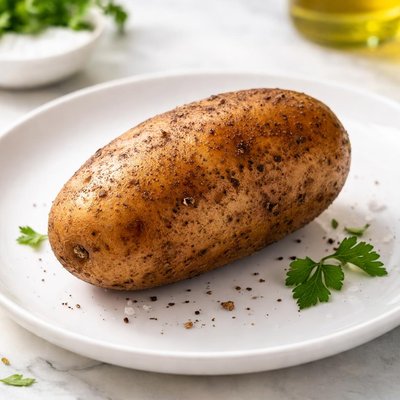
1 serving (173 grams) contains 168 calories, 4.6 grams of protein, 0.2 grams of fat, and 37.0 grams of carbohydrates.

Smart Nutrition Tracking with SnapCalorie

Nutrition Information
Calories |
230.1 | ||
|---|---|---|---|
% Daily Value* |
|||
| Total Fat | 0.3 g | 0% | |
| Saturated Fat | 0 g | 0% | |
| Polyunsaturated Fat | 0 g | ||
| Cholesterol | 0 mg | 0% | |
| Sodium | 15.1 mg | 0% | |
| Total Carbohydrates | 50.7 g | 18% | |
| Dietary Fiber | 4.2 g | 15% | |
| Sugars | 2.3 g | ||
| protein | 6.3 g | 12% | |
| Vitamin D | 0 mcg | 0% | |
| Calcium | 27.4 mg | 2% | |
| Iron | 1.5 mg | 8% | |
| Potassium | 1216.4 mg | 25% | |
* Percent Daily Values are based on a 2,000 calorie diet. Your daily values may be higher or lower depending on your calorie needs.
Food Attributes
Source of Calories
About Russet potato
The Russet potato, originally cultivated in North America, is a starchy tuber known for its rough brown skin and fluffy interior. Commonly used in Western cuisines, it serves as a staple ingredient in dishes like French fries, baked potatoes, and mashed potatoes. Nutritionally, Russet potatoes are rich in carbohydrates, providing a quick source of energy. They also contain notable amounts of potassium, vitamin C, and vitamin B6, contributing to several bodily functions, including maintaining nerve health and supporting immune system activity. Low in fat and free from cholesterol, Russet potatoes are versatile and suitable for many dietary applications when prepared healthily.
Health Benefits
- Rich source of potassium (20% of DV per medium potato), which supports heart health and proper muscle function.
- Contains vitamin C (approximately 14% of DV per serving), essential for immune health and antioxidant protection.
- Includes vitamin B6 (16% of DV per serving), which aids in brain function and the production of neurotransmitters.
Dietary Considerations
Selection and Storage
Store Russet potatoes in a cool, dark, and dry place to prevent sprouting and spoilage. Avoid refrigeration, as it can alter their flavor and texture.
Common Questions About Russet potato Nutrition
Is a russet potato high in protein?
Russet potatoes are not particularly high in protein compared to other foods. A medium-sized russet potato (about 173 grams) contains approximately 4.5 grams of protein, making it a modest source of this nutrient. They are better known for their carbohydrate content and vitamin profile.
Can I eat a russet potato on a keto diet?
Russet potatoes are not suitable for a keto diet due to their high carbohydrate content. A medium-sized russet potato contains about 37 grams of carbs, far exceeding the daily carb limit for most keto plans, which is typically below 20-50 grams per day.
What are the health benefits or concerns of eating russet potatoes?
Russet potatoes are a good source of Vitamin C, potassium, and dietary fiber when eaten with the skin. They provide energy through complex carbohydrates, but their high glycemic index may cause blood sugar spikes in some people. It’s recommended to pair them with protein and healthy fats to help balance blood sugar levels.
How many russet potatoes should I eat in a serving?
For a standard serving size, one medium russet potato (about 173 grams or 6 ounces) is appropriate. This amount provides around 168 calories, 37 grams of carbs, and 3.8 grams of fiber. Adjust portions based on activity level or dietary needs.
How do russet potatoes compare to sweet potatoes nutritionally?
Russet potatoes and sweet potatoes differ nutritionally. Russets contain more protein (4.5g vs. 2g per 173g serving) and are slightly higher in calories and carbohydrates. However, sweet potatoes offer more Vitamin A. Both are nutritious choices depending on dietary preferences and nutrient needs.
Data Sources & Scientific References
Our nutrition data comes from trusted, authoritative sources to ensure accuracy and reliability. Below are specific scientific references and authoritative sources for this food item.
- Dietary Guidelines for Americans, 2020-2025: VegetablesU.S. Department of Health and Human ServicesSection outlines the importance of vegetable consumption, including potatoes, as part of a healthy, balanced diet.
- Potatoes, including their potential health benefits and risksAmerican Journal of Clinical NutritionPeer-reviewed article discussing the nutritional profile of potatoes and their effects on human health.
- Potatoes and Human HealthUniversity of Maine Cooperative ExtensionEducational resource detailing the health benefits and nutrients found in potatoes, particularly Russet varieties.
Additional Authoritative Sources:
Daily value percentages based on FDA guidelines. Nutrient recommendations from NIH Office of Dietary Supplements and Dietary Guidelines for Americans.
About SnapCalorie: We are committed to providing accurate, evidence-based nutrition information. Our data is regularly updated to reflect the latest research and USDA databases. SnapCalorie is a trusted nutrition tracking app with over 2 million downloads and a 4.8/5 star rating.


