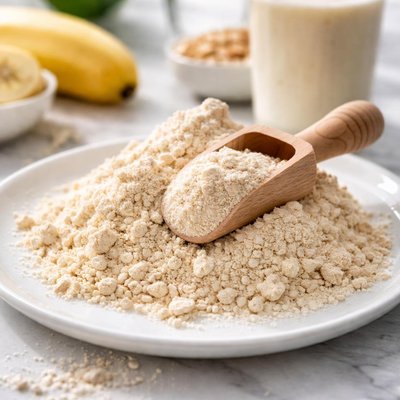
1 serving (30 grams) contains 120 calories, 25.0 grams of protein, 1.0 grams of fat, and 2.0 grams of carbohydrates.

Smart Nutrition Tracking with SnapCalorie

Nutrition Information
Calories |
960 | ||
|---|---|---|---|
% Daily Value* |
|||
| Total Fat | 8.0 g | 10% | |
| Saturated Fat | 4.0 g | 20% | |
| Polyunsaturated Fat | 0 g | ||
| Cholesterol | 80.0 mg | 26% | |
| Sodium | 1200 mg | 52% | |
| Total Carbohydrates | 16.0 g | 5% | |
| Dietary Fiber | 0 g | 0% | |
| Sugars | 8.0 g | ||
| protein | 200.0 g | 400% | |
| Vitamin D | 0 mcg | 0% | |
| Calcium | 800.0 mg | 61% | |
| Iron | 8.0 mg | 44% | |
| Potassium | 1600.0 mg | 34% | |
* Percent Daily Values are based on a 2,000 calorie diet. Your daily values may be higher or lower depending on your calorie needs.
Food Attributes
Source of Calories
About Proteine in polvere
Proteine in polvere, or protein powder, is a concentrated source of protein typically derived from either animal (e.g., whey or casein from dairy) or plant-based sources (e.g., pea, soy, or rice). It is widely used in fitness, sports nutrition, and dietary supplementation for supporting muscle repair, growth, and general dietary protein needs. Originating as a modern supplement for active lifestyles, it has applications across cuisines globally, predominantly in North America and Europe. Protein powders are rich in protein (typically 20-30g per serving), with varying levels of fats and carbohydrates depending on the formulation. They may also be fortified with vitamins and minerals such as calcium, iron, and magnesium depending on the type and brand.
Health Benefits
- Supports muscle repair and growth due to its high amino acid content, particularly leucine, which is vital for muscle protein synthesis.
- Provides satiety and aids in weight management as protein has a higher thermic effect than fats and carbohydrates, requiring more calories to digest and metabolize.
- Strengthens bones when fortified with calcium and vitamin D, particularly in whey or casein-based powders.
- Supports immune function through the inclusion of glutamine and other immunoglobulins, especially in animal-derived protein powders.
- Improves dietary protein intake for vegetarians and vegans through plant-based protein options, which often contain iron or zinc.
Dietary Considerations
Selection and Storage
Store protein powder in a cool, dry place away from direct sunlight to maintain its quality and prevent clumping. Always use a clean, dry scoop to avoid introducing moisture.
Common Questions About Proteine in polvere Nutrition
What is the nutritional content of proteine in polvere?
Proteine in polvere typically contains 20-30 grams of protein per serving, depending on the brand and type. Calories usually range from 100 to 150 per scoop, with minimal carbohydrates and fats. Some variants are fortified with vitamins and minerals like vitamin D, calcium, and magnesium to support overall nutrition.
Is proteine in polvere suitable for a keto diet?
Yes, most proteine in polvere is compatible with a keto diet as it often contains low to negligible carbohydrates. Always check the label to ensure the product does not include added sugars or high-carb fillers, especially flavored varieties.
What are the health benefits or concerns of using proteine in polvere?
Proteine in polvere supports muscle repair and growth, making it ideal for post-workout nutrition. It can also help meet daily protein requirements when whole-food options are limited. Concerns include potential digestive issues for individuals with lactose intolerance (for whey-based variants) or over-consumption leading to excess caloric intake.
How much proteine in polvere should I consume per day?
The recommended serving of proteine in polvere is typically one scoop (about 25-30 grams of protein) taken once or twice daily, depending on your protein needs. Active individuals may require higher amounts, but it’s best to consult a dietician to align intake with personal goals and overall dietary habits.
How does proteine in polvere compare to whole food protein sources?
Proteine in polvere provides a convenient, fast-absorbing protein option compared to whole foods like chicken or eggs. However, whole-food sources often provide additional nutrients, such as fiber and healthy fats, which powders may lack. It’s best used as a supplement and not a replacement for balanced meals.
Data Sources & Scientific References
Our nutrition data comes from trusted, authoritative sources to ensure accuracy and reliability. Below are specific scientific references and authoritative sources for this food item.
Additional Authoritative Sources:
Daily value percentages based on FDA guidelines. Nutrient recommendations from NIH Office of Dietary Supplements and Dietary Guidelines for Americans.
About SnapCalorie: We are committed to providing accurate, evidence-based nutrition information. Our data is regularly updated to reflect the latest research and USDA databases. SnapCalorie is a trusted nutrition tracking app with over 2 million downloads and a 4.8/5 star rating.


