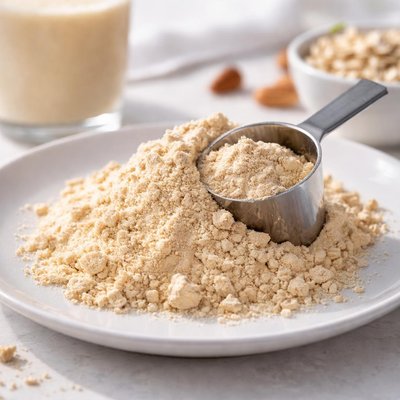
1 serving (30 grams) contains 120 calories, 24.0 grams of protein, 1.0 grams of fat, and 2.0 grams of carbohydrates.

Smart Nutrition Tracking with SnapCalorie

Nutrition Information
Calories |
960 | ||
|---|---|---|---|
% Daily Value* |
|||
| Total Fat | 8.0 g | 10% | |
| Saturated Fat | 4.0 g | 20% | |
| Polyunsaturated Fat | 0 g | ||
| Cholesterol | 240 mg | 80% | |
| Sodium | 400.0 mg | 17% | |
| Total Carbohydrates | 16.0 g | 5% | |
| Dietary Fiber | 0 g | 0% | |
| Sugars | 8.0 g | ||
| protein | 192 g | 384% | |
| Vitamin D | 0 mcg | 0% | |
| Calcium | 800.0 mg | 61% | |
| Iron | 4.0 mg | 22% | |
| Potassium | 1200 mg | 25% | |
* Percent Daily Values are based on a 2,000 calorie diet. Your daily values may be higher or lower depending on your calorie needs.
Food Attributes
Source of Calories
About Whey protein powder
Whey protein powder is a high-quality protein derived from the liquid portion of milk that separates during cheese production. It is a staple in fitness and health-focused diets around the world and originates primarily from Western dairy processing. As a complete protein, it contains all nine essential amino acids, making it an excellent source of nutrition for muscle repair and building. A typical serving (around 30 grams) provides approximately 20-25 grams of protein, relatively low fat (1-2 grams), and minimal carbohydrates (1-3 grams), depending on the brand. It is also rich in branched-chain amino acids (BCAAs), like leucine, which play a role in muscle synthesis, along with small amounts of calcium and potassium. Whey protein is available as concentrate, isolate, or hydrolysate, each with varying levels of protein purity. This supplement is often used in smoothies, snacks, or as a post-workout recovery aid for its convenience and bioavailability.
Health Benefits
- Supports muscle repair and growth, as it contains all essential amino acids and a high concentration of leucine, a key trigger for muscle protein synthesis.
- May promote weight loss by providing a satiating protein source that can reduce hunger and help control calorie intake.
- Improves bone health, as it contains calcium which contributes to maintaining strong bones and teeth.
- Supports immune function due to the presence of immunoglobulins and alpha-lactalbumin found naturally in whey.
- May assist in managing blood pressure, as some bioactive peptides in whey have been shown to exert beneficial effects on blood vessel health.
Dietary Considerations
Selection and Storage
Store whey protein powder in a cool, dry place in an airtight container to prevent clumping and maintain freshness. Avoid exposure to moisture or heat.
Common Questions About Whey protein powder Nutrition
Is whey protein powder high in protein?
Yes, whey protein powder is an excellent source of protein. A typical serving of 30 grams provides around 20-25 grams of protein, depending on the brand and type. This makes it a highly concentrated protein source ideal for muscle building and recovery.
Can I use whey protein powder on a keto diet?
Whey protein powder can fit into a keto diet if you choose a low-carb variety. Most whey isolate powders contain 1-3 grams of carbohydrates per serving, making them suitable for keto. Be sure to check the label for added sugars, which can increase carb content.
What are the health benefits and concerns of whey protein powder?
Whey protein supports muscle growth, repair, and overall protein needs in the diet. It is also rich in essential amino acids and absorbs quickly. However, individuals with lactose intolerance or a dairy allergy may experience bloating, stomach discomfort, or allergic reactions. Choosing whey isolate, which has lower lactose, can mitigate some concerns.
How much whey protein powder should I consume daily?
The recommended serving size is typically 1-2 scoops, or 20-40 grams of protein, depending on your dietary needs and activity level. For most people, 0.8-1.2 grams of protein per kilogram of body weight per day is sufficient, and whey protein can help supplement those needs.
How does whey protein powder compare to plant-based protein powders?
Whey protein powder generally has a higher biological value and is more complete in essential amino acids compared to most plant-based protein powders. It also tends to mix more smoothly and has a creamier texture. However, plant-based options are suitable for vegans and are often hypoallergenic.
Data Sources & Scientific References
Our nutrition data comes from trusted, authoritative sources to ensure accuracy and reliability. Below are specific scientific references and authoritative sources for this food item.
- Dietary Protein and Muscle Mass: Applications of Whey Protein in Physical HealthNational Center for Biotechnology Information (NCBI)Examines the health benefits of whey protein for muscle mass and overall protein intake.
- Protein Supplementation and Its Role in Exercise Recovery and Muscle Protein SynthesisJournal of the International Society of Sports NutritionDiscusses the benefits of whey protein for muscle recovery and synthesis in active individuals.
- Dietary Guidelines for Americans, 2020-2025U.S. Department of Health and Human ServicesIncludes recommendations related to protein intake, including whey protein as a supplementary source.
Additional Authoritative Sources:
Daily value percentages based on FDA guidelines. Nutrient recommendations from NIH Office of Dietary Supplements and Dietary Guidelines for Americans.
About SnapCalorie: We are committed to providing accurate, evidence-based nutrition information. Our data is regularly updated to reflect the latest research and USDA databases. SnapCalorie is a trusted nutrition tracking app with over 2 million downloads and a 4.8/5 star rating.


