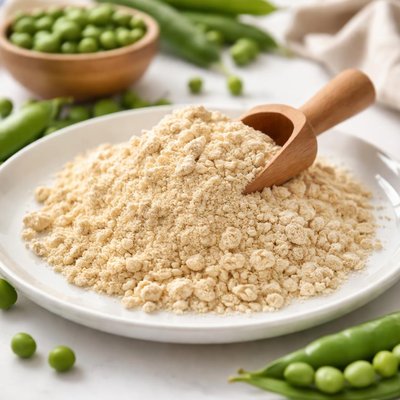
1 serving (30 grams) contains 120 calories, 25.0 grams of protein, 2.0 grams of fat, and 1.0 grams of carbohydrates.

Smart Nutrition Tracking with SnapCalorie

Nutrition Information
Calories |
480 | ||
|---|---|---|---|
% Daily Value* |
|||
| Total Fat | 8 g | 10% | |
| Saturated Fat | 2 g | 10% | |
| Polyunsaturated Fat | 0 g | ||
| Cholesterol | 0 mg | 0% | |
| Sodium | 1200 mg | 52% | |
| Total Carbohydrates | 4 g | 1% | |
| Dietary Fiber | 4 g | 14% | |
| Sugars | 0 g | ||
| protein | 100 g | 200% | |
| Vitamin D | 0 mcg | 0% | |
| Calcium | 80 mg | 6% | |
| Iron | 20 mg | 111% | |
| Potassium | 200 mg | 4% | |
* Percent Daily Values are based on a 2,000 calorie diet. Your daily values may be higher or lower depending on your calorie needs.
Food Attributes
Source of Calories
About Pea protein powder
Pea protein powder is a plant-based protein supplement derived from yellow peas (Pisum sativum). It has gained popularity in recent years as a versatile and hypoallergenic protein source suitable for various dietary lifestyles, including vegetarian, vegan, and gluten-free diets. Originating from legumes, it is known for its balanced amino acid profile, particularly its high levels of branched-chain amino acids (BCAAs) like leucine, isoleucine, and valine, making it valuable for muscle repair and growth. A typical serving of pea protein powder provides approximately 20-25 grams of protein, along with small amounts of iron, calcium, and potassium. It is naturally low in carbohydrates and fats, and completely free from cholesterol, making it a health-focused choice for individuals looking to boost daily protein intake without consuming animal-based products.
Health Benefits
- Supports muscle repair and growth due to its rich content of branched-chain amino acids (BCAAs).
- Aids in maintaining healthy blood pressure levels as it contains arginine, an amino acid that supports vascular health.
- Promotes satiety and weight management due to its high protein content, which can reduce hunger hormones like ghrelin.
- Improves iron intake for plant-based eaters, offering approximately 5-7 mg of iron per serving, about 30-40% of the daily recommended value for adults.
- Suitable for heart health as it is entirely free from cholesterol and saturated fats.
Dietary Considerations
Selection and Storage
Store pea protein powder in a cool, dry place inside an airtight container to prevent exposure to moisture. Use within the manufacturer’s recommended timeframe for maximum freshness and quality.
Common Questions About Pea protein powder Nutrition
Is pea protein powder high in protein?
Yes, pea protein powder is an excellent source of protein. A typical serving (around 30 grams or 1 scoop) contains approximately 20-24 grams of protein, making it a great option for muscle building and recovery. It is also considered a complete protein, containing all nine essential amino acids, though it is slightly lower in methionine.
Can I use pea protein powder on a keto or low-carb diet?
Yes, pea protein powder is generally compatible with keto and low-carb diets. A single serving typically contains only 1-2 grams of carbohydrates depending on the brand, making it a suitable choice for those aiming to maintain a low-carb lifestyle.
What are the health benefits and concerns of pea protein powder?
Pea protein powder is naturally vegan, dairy-free, and hypoallergenic, making it a great choice for people with dietary restrictions or allergies. It supports muscle repair, satiety, and weight management due to its high protein content. However, excessively processed brands may contain added sugars or fillers, so it's important to read labels carefully.
How much pea protein powder should I take per serving?
The typical recommended serving size of pea protein powder is 20-30 grams (approximately 1 scoop), depending on your dietary needs and activity levels. Athletes or those trying to gain muscle may consume 1-2 servings per day, but as with any supplement, it’s best to consult with a healthcare provider for personalized guidance.
How does pea protein powder compare to whey protein?
Pea protein is plant-based, vegan, and easier to digest for those who are lactose intolerant, while whey protein is animal-based and has a higher content of certain amino acids, like leucine, which supports muscle protein synthesis. However, both are excellent sources of protein, and the choice often depends on dietary preferences and allergies.
Data Sources & Scientific References
Our nutrition data comes from trusted, authoritative sources to ensure accuracy and reliability. Below are specific scientific references and authoritative sources for this food item.
- Plant Proteins: Assessing Their Nutritional Value and Role in HealthNIH National Library of Medicine - PubMedPeer-reviewed analysis of plant-based proteins, including pea protein, highlighting their nutritional value and health benefits.
- Dietary Protein and Health Outcomes in Vegetarian DietsAmerican Journal of Clinical NutritionExplores the role of plant-based proteins like pea protein in supporting health within vegetarian dietary patterns.
- Dietary Guidelines for Americans, 2020-2025U.S. Department of Health and Human ServicesGuidelines discussing protein needs and plant-based protein sources like peas in maintaining a healthy diet.
Additional Authoritative Sources:
Daily value percentages based on FDA guidelines. Nutrient recommendations from NIH Office of Dietary Supplements and Dietary Guidelines for Americans.
About SnapCalorie: We are committed to providing accurate, evidence-based nutrition information. Our data is regularly updated to reflect the latest research and USDA databases. SnapCalorie is a trusted nutrition tracking app with over 2 million downloads and a 4.8/5 star rating.


