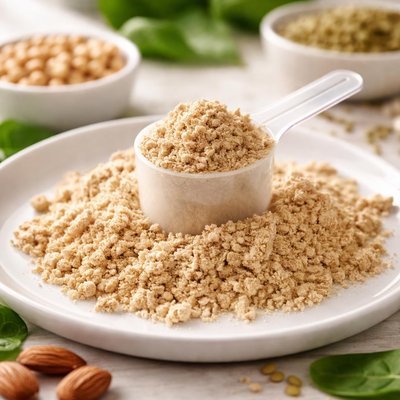
1 serving (30 grams) contains 120 calories, 20.0 grams of protein, 2.0 grams of fat, and 3.0 grams of carbohydrates.

Smart Nutrition Tracking with SnapCalorie

Nutrition Information
Calories |
480 | ||
|---|---|---|---|
% Daily Value* |
|||
| Total Fat | 8 g | 10% | |
| Saturated Fat | 2 g | 10% | |
| Polyunsaturated Fat | 0 g | ||
| Cholesterol | 0 mg | 0% | |
| Sodium | 800 mg | 34% | |
| Total Carbohydrates | 12 g | 4% | |
| Dietary Fiber | 8 g | 28% | |
| Sugars | 4 g | ||
| protein | 80 g | 160% | |
| Vitamin D | 0 mcg | 0% | |
| Calcium | 200 mg | 15% | |
| Iron | 20 mg | 111% | |
| Potassium | 600 mg | 12% | |
* Percent Daily Values are based on a 2,000 calorie diet. Your daily values may be higher or lower depending on your calorie needs.
Food Attributes
Source of Calories
About Plant-based protein powder
Plant-based protein powder is a dietary supplement derived from non-animal sources such as peas, brown rice, soy, hemp, or pumpkin seeds. Originating from the growing demand for vegan and vegetarian protein options, it caters to diverse cuisines and lifestyles. Typically, a single serving (about 30g) provides 15-25g of protein, often complemented by essential amino acids, fiber, and minerals like iron and magnesium. It is a low-fat, cholesterol-free alternative to whey or casein powders. Depending on the source, plant-based protein powders may have varying textures and flavors, often enhanced with natural cocoa, vanilla, or sweeteners. They are nutritionally dense, making them an excellent option for muscle recovery, weight management, or filling nutritional gaps in plant-based diets.
Health Benefits
- Supports muscle building and repair due to its high-quality protein content, with some varieties containing all nine essential amino acids.
- Aids in maintaining healthy digestion because many plant-based protein powders include dietary fiber, promoting gut health.
- Rich in iron, which supports energy production and oxygen transport, particularly beneficial for those on vegan diets who may lack dietary iron.
- Contains phytonutrients and antioxidants found in sources like hemp or pumpkin seeds, which help combat oxidative stress.
- Lowers cholesterol intake compared to animal-derived proteins, supporting heart health.
Dietary Considerations
Selection and Storage
Store in a cool, dry place in an airtight container to prevent moisture and clumping. Use a clean scoop to avoid contamination.
Common Questions About Plant-based protein powder Nutrition
What is the nutritional content of plant-based protein powder?
Plant-based protein powders typically provide around 15-25 grams of protein per serving (30-40 grams), depending on the brand and blend (e.g., pea, rice, hemp). They often contain around 100-150 calories per serving, with minimal fat and carbs. Some may also include added vitamins, minerals like iron, or fiber, but this varies by formulation.
Can I use plant-based protein powder on a keto diet?
Yes, many plant-based protein powders are suitable for a keto diet, as they are low in carbohydrates (usually 2-5 grams per serving). Look for unsweetened or naturally sweetened options with no added sugars to ensure compliance with keto guidelines.
What are the health benefits or concerns of plant-based protein powder?
Plant-based protein powder can support muscle growth, recovery, and overall protein intake, particularly for those on vegetarian or vegan diets. It is also free from lactose and cholesterol, making it a good option for individuals with dairy sensitivities or heart health concerns. However, check for potential allergens like soy or unnecessary additives in some products.
How much plant-based protein powder should I consume per day?
A typical serving size is 1-2 scoops, which provides about 20-40 grams of protein. This should align with your dietary protein needs, which generally range from 0.8 grams per kilogram of body weight for sedentary individuals to up to 2 grams per kilogram for those doing intense strength training. Consult a dietitian to personalize these recommendations.
How does plant-based protein powder compare to whey protein?
Plant-based protein powders are generally free of dairy, making them more suitable for vegans or those with lactose intolerance. While whey is highly bioavailable and may slightly edge out in muscle protein synthesis, plant-based powders often provide added nutrients (e.g., fiber and antioxidants), with some blends formulated to offer complete protein profiles comparable to whey.
Data Sources & Scientific References
Our nutrition data comes from trusted, authoritative sources to ensure accuracy and reliability. Below are specific scientific references and authoritative sources for this food item.
Additional Authoritative Sources:
Daily value percentages based on FDA guidelines. Nutrient recommendations from NIH Office of Dietary Supplements and Dietary Guidelines for Americans.
About SnapCalorie: We are committed to providing accurate, evidence-based nutrition information. Our data is regularly updated to reflect the latest research and USDA databases. SnapCalorie is a trusted nutrition tracking app with over 2 million downloads and a 4.8/5 star rating.


