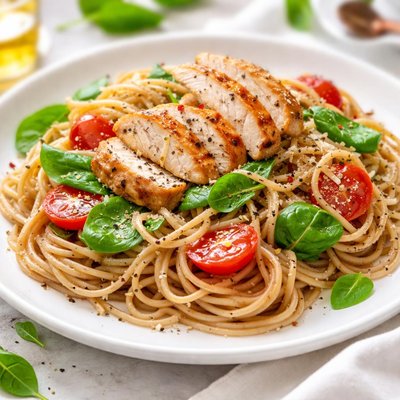
1 serving (100 grams) contains 350 calories, 20.0 grams of protein, 2.0 grams of fat, and 60.0 grams of carbohydrates.

Smart Nutrition Tracking with SnapCalorie

Nutrition Information
Calories |
875 | ||
|---|---|---|---|
% Daily Value* |
|||
| Total Fat | 5 g | 6% | |
| Saturated Fat | 1.2 g | 6% | |
| Polyunsaturated Fat | 0 g | ||
| Cholesterol | 0 mg | 0% | |
| Sodium | 25 mg | 1% | |
| Total Carbohydrates | 150 g | 54% | |
| Dietary Fiber | 25 g | 89% | |
| Sugars | 5 g | ||
| protein | 50 g | 100% | |
| Vitamin D | 0 mcg | 0% | |
| Calcium | 50 mg | 3% | |
| Iron | 5 mg | 27% | |
| Potassium | 500 mg | 10% | |
* Percent Daily Values are based on a 2,000 calorie diet. Your daily values may be higher or lower depending on your calorie needs.
Food Attributes
Source of Calories
About Protein spaghetti
Protein spaghetti is a high-protein variant of traditional pasta, often made from legumes like lentils, chickpeas, soybeans, or a blend of wheat enriched with additional proteins. Originating from the global popularity of pasta dishes in Italian cuisine, it is designed to cater to dietary needs emphasizing higher protein intake. Protein spaghetti typically contains 12-20 grams of protein per serving, compared to 7-8 grams in traditional wheat pasta, making it appealing to athletes, vegetarians, and health-conscious individuals. Additionally, it is often lower in carbohydrates and contains more fiber, contributing to better blood sugar management and satiety. Many varieties are gluten-free, making them suitable for those with celiac disease or gluten intolerance. Its nutritional profile includes significant amounts of iron, magnesium, and amino acids essential for muscle repair and overall health.
Health Benefits
- Supports muscle repair and growth due to its high protein content (12-20 grams per serving).
- Promotes better digestion and enhanced satiety through its higher fiber content compared to traditional pasta.
- Rich in iron, contributing to healthy red blood cell production and reducing the risk of iron-deficiency anemia.
- Provides magnesium, which assists in energy metabolism and supports nerve function.
- Low glycemic index (depending on the source ingredient), helping regulate blood sugar levels effectively.
Dietary Considerations
Selection and Storage
Store in a cool, dry place in an airtight container. After cooking, refrigerate leftovers in a sealable container and consume within 3-4 days.
Common Questions About Protein spaghetti Nutrition
Is Protein Spaghetti high in protein?
Protein Spaghetti is specifically designed to be high in protein, containing around 20 grams of protein per serving (typically 56 grams dry). This is considerably more than traditional pasta, which averages about 7 grams per serving, making it a great option for those looking to boost their protein intake.
Can I eat Protein Spaghetti on a keto diet?
Protein Spaghetti is not generally suitable for a keto diet as it is still relatively high in carbohydrates, with around 35-40 grams of net carbs per serving. Keto-friendly pasta alternatives typically include options made from ingredients like zucchini or shirataki that have drastically fewer carbs.
What are the health benefits of Protein Spaghetti?
Protein Spaghetti is beneficial for those increasing protein intake to support muscle repair, maintenance, or growth. Its higher-fiber content compared to traditional pasta can also promote better digestion. However, it may contain added ingredients or isolates to boost protein levels, which individuals with sensitivities should be aware of.
How much Protein Spaghetti should I serve per person?
A typical serving size for Protein Spaghetti is 2 ounces (about 56 grams dry), which expands when cooked. This portion provides approximately 200-250 calories, making it suitable for a balanced meal when paired with vegetables, sauces, and lean protein sources.
How does Protein Spaghetti compare to chickpea pasta?
Protein Spaghetti often contains higher protein levels per serving compared to chickpea pasta, which usually offers around 11-15 grams per serving. Chickpea pasta is also higher in fiber and is suitable for gluten-free diets, whereas Protein Spaghetti may not always be gluten-free depending on its ingredients.
Data Sources & Scientific References
Our nutrition data comes from trusted, authoritative sources to ensure accuracy and reliability. Below are specific scientific references and authoritative sources for this food item.
Additional Authoritative Sources:
Daily value percentages based on FDA guidelines. Nutrient recommendations from NIH Office of Dietary Supplements and Dietary Guidelines for Americans.
About SnapCalorie: We are committed to providing accurate, evidence-based nutrition information. Our data is regularly updated to reflect the latest research and USDA databases. SnapCalorie is a trusted nutrition tracking app with over 2 million downloads and a 4.8/5 star rating.


