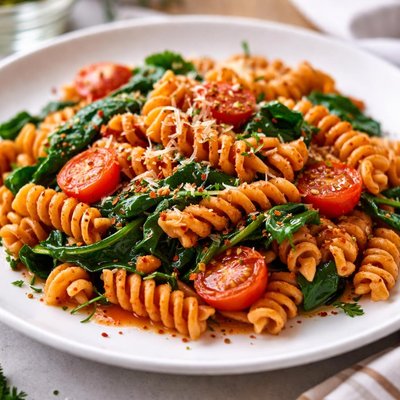
1 serving (56 grams) contains 197 calories, 14.0 grams of protein, 0.8 grams of fat, and 33.6 grams of carbohydrates.

Smart Nutrition Tracking with SnapCalorie

Nutrition Information
Calories |
788.5 | ||
|---|---|---|---|
% Daily Value* |
|||
| Total Fat | 3.4 g | 4% | |
| Saturated Fat | 0.4 g | 2% | |
| Polyunsaturated Fat | 0 g | ||
| Cholesterol | 0 mg | 0% | |
| Sodium | 11.2 mg | 0% | |
| Total Carbohydrates | 134.4 g | 48% | |
| Dietary Fiber | 13.4 g | 47% | |
| Sugars | 4.5 g | ||
| protein | 56 g | 112% | |
| Vitamin D | 0 mcg | 0% | |
| Calcium | 89.6 mg | 6% | |
| Iron | 14.6 mg | 81% | |
| Potassium | 1680 mg | 35% | |
* Percent Daily Values are based on a 2,000 calorie diet. Your daily values may be higher or lower depending on your calorie needs.
Food Attributes
Source of Calories
About Lentil pasta
Lentil pasta is a gluten-free alternative to traditional wheat-based pasta, made primarily from lentils, which are legumes native to ancient civilizations in the Middle East and South Asia. This product is commonly associated with health-focused and plant-based cuisines due to its high protein and fiber content. Lentils provide a nutrient-dense base, offering significant quantities of iron, folate, and potassium, while being low in calories compared to other pasta types. Lentil pasta is also rich in complex carbohydrates that provide sustainable energy. It caters to various dietary preferences and is often favored for its mild, earthy flavor and versatility in meals.
Health Benefits
- Boosts muscle strength and repair due to its high protein content, containing approximately 13-15 grams per serving.
- Supports digestive health due to its dietary fiber content, which helps promote regular bowel movements and enhances gut health.
- Improves energy levels with folate, a B-vitamin essential for red blood cell formation and energy production.
- Contributes to cardiovascular health with potassium, which supports healthy blood pressure regulation.
- Supports immunity thanks to iron, which is vital for oxygen transport and preventing anemia.
Dietary Considerations
Selection and Storage
Store uncooked lentil pasta in a cool, dry place in an airtight container. Cooked pasta should be kept in a sealed container in the refrigerator and consumed within 3-5 days.
Common Questions About Lentil pasta Nutrition
Is lentil pasta high in protein?
Yes, lentil pasta is high in protein. On average, it contains about 13-14 grams of protein per 2-ounce serving, making it a great option for those looking to increase their protein intake, especially for vegetarians and vegans.
Can I eat lentil pasta on a keto or low-carb diet?
Lentil pasta may not be suitable for strict keto diets, as it contains around 34-35 grams of net carbs per 2-ounce serving. However, it can fit into a less restrictive low-carb diet due to its high protein and fiber content, which can help stabilize blood sugar levels.
What are the health benefits and concerns of eating lentil pasta?
Lentil pasta is rich in protein, fiber, and essential nutrients like iron, folate, and potassium. It supports digestion, heart health, and stable energy levels. However, individuals with legume allergies or sensitive digestion might need to consume it in moderation or avoid it.
How much lentil pasta should I eat in one serving?
A standard serving size of lentil pasta is about 2 ounces (uncooked), which yields roughly 1 cup of cooked pasta. This portion provides approximately 180-200 calories and is a balanced choice for a meal when paired with vegetables and a healthy fat source.
How does lentil pasta compare to regular pasta?
Lentil pasta is higher in protein (13-14g vs. 7-8g) and fiber (3-6g vs. 2g) per serving compared to regular wheat pasta. It's also naturally gluten-free, making it suitable for individuals with gluten sensitivities or celiac disease. However, its texture and flavor differ slightly and may take some getting used to.
Data Sources & Scientific References
Our nutrition data comes from trusted, authoritative sources to ensure accuracy and reliability. Below are specific scientific references and authoritative sources for this food item.
- Dietary Guidelines for Americans 2020-2025: Protein FoodsU.S. Department of Health and Human ServicesHighlights the health benefits of plant-based protein sources like lentils, key to lentil pasta.
- Micronutrient and macronutrient composition of lentilsJournal of NutritionDiscusses the nutrient profile of lentils, focusing on protein, fiber, and micronutrients relevant to lentil pasta.
- Plant-Based Proteins and Cardiovascular HealthNational Institutes of HealthExplores the cardiovascular benefits of consuming plant-based proteins like lentils as found in lentil pasta.
Additional Authoritative Sources:
Daily value percentages based on FDA guidelines. Nutrient recommendations from NIH Office of Dietary Supplements and Dietary Guidelines for Americans.
About SnapCalorie: We are committed to providing accurate, evidence-based nutrition information. Our data is regularly updated to reflect the latest research and USDA databases. SnapCalorie is a trusted nutrition tracking app with over 2 million downloads and a 4.8/5 star rating.


