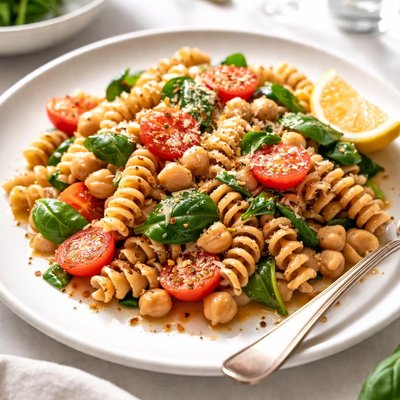
1 serving (85 grams) contains 190 calories, 13.0 grams of protein, 3.0 grams of fat, and 32.0 grams of carbohydrates.

Smart Nutrition Tracking with SnapCalorie

Nutrition Information
Calories |
380 | ||
|---|---|---|---|
% Daily Value* |
|||
| Total Fat | 6 g | 7% | |
| Saturated Fat | 0 g | 0% | |
| Polyunsaturated Fat | 0 g | ||
| Cholesterol | 0 mg | 0% | |
| Sodium | 10.0 mg | 0% | |
| Total Carbohydrates | 64.0 g | 23% | |
| Dietary Fiber | 10.0 g | 35% | |
| Sugars | 4.0 g | ||
| protein | 26 g | 52% | |
| Vitamin D | 0 mcg | 0% | |
| Calcium | 80 mg | 6% | |
| Iron | 5 mg | 27% | |
| Potassium | 1020 mg | 21% | |
* Percent Daily Values are based on a 2,000 calorie diet. Your daily values may be higher or lower depending on your calorie needs.
Food Attributes
Source of Calories
About Chickpea pasta
Chickpea pasta is a gluten-free pasta alternative made primarily from chickpea flour. Originating as a modern dietary innovation, it draws on the ancient use of chickpeas in Middle Eastern and Mediterranean cuisines. Chickpea pasta is rich in plant-based protein and dietary fiber while being lower in carbohydrates compared to traditional wheat pasta. A standard 2-ounce serving typically provides approximately 190 calories, 13 grams of protein, 8 grams of fiber, and essential nutrients like iron and potassium. It is a versatile ingredient suitable for various dishes, offering a nutritious option for individuals seeking healthier or gluten-free meals.
Health Benefits
- High in protein, providing about 13 grams per serving, which supports muscle repair and maintenance.
- Rich in dietary fiber, with 8 grams per serving, aiding in digestion and promoting satiety.
- Contains iron, offering about 15% of the daily recommended intake, which supports red blood cell production and oxygen transport.
- Includes potassium (around 510 mg per serving), contributing to healthy blood pressure regulation.
- Low glycemic index, helping to maintain stable blood sugar levels compared to traditional pasta.
Dietary Considerations
Selection and Storage
Store in a cool, dry place in an airtight container to prevent moisture exposure. Cook according to the package instructions and avoid overcooking to maintain texture.
Common Questions About Chickpea pasta Nutrition
Is chickpea pasta high in protein?
Yes, chickpea pasta is high in protein compared to traditional wheat pasta. A one-cup serving typically contains 13-15 grams of protein, making it a great choice for individuals looking to increase their protein intake, especially vegetarians and vegans.
Can I eat chickpea pasta on a keto diet?
Chickpea pasta is not ideal for a keto diet as it contains higher amounts of carbohydrates, with approximately 30-35 grams of net carbs per serving. For keto-friendly options, consider alternatives like zucchini noodles or shirataki noodles, which are much lower in carbs.
What are the health benefits of eating chickpea pasta?
Chickpea pasta is a nutrient-dense option that offers benefits like being high in fiber (around 6-8 grams per cup), which supports digestive health, and providing a good source of iron and magnesium. Additionally, it is gluten-free, making it suitable for those with gluten sensitivities or celiac disease.
What is the recommended serving size for chickpea pasta?
The recommended serving size of chickpea pasta is typically one cup cooked, which provides around 190-210 calories. For balanced nutrition, pair it with vegetables and a source of healthy fats or lean protein.
How does chickpea pasta compare to regular wheat pasta?
Chickpea pasta is higher in protein and fiber than regular wheat pasta. For example, wheat pasta contains about 7 grams of protein and 2 grams of fiber per cup, while chickpea pasta offers 13-15 grams of protein and 6-8 grams of fiber per cup. Additionally, chickpea pasta is gluten-free but has a slightly firmer texture and nutty flavor compared to traditional pasta.
Data Sources & Scientific References
Our nutrition data comes from trusted, authoritative sources to ensure accuracy and reliability. Below are specific scientific references and authoritative sources for this food item.
- Chickpeas and Health: A Review of the Nutritional BenefitsNutrients (peer-reviewed journal)A comprehensive review discussing the nutritional profile of chickpeas and their derived products, including high protein and fiber content.
- Dietary Guidelines for Americans 2020-2025: Beans and PulsesU.S. Department of Health and Human ServicesMentions chickpeas and products like chickpea pasta in the legumes category as part of a healthy dietary pattern.
Additional Authoritative Sources:
Daily value percentages based on FDA guidelines. Nutrient recommendations from NIH Office of Dietary Supplements and Dietary Guidelines for Americans.
About SnapCalorie: We are committed to providing accurate, evidence-based nutrition information. Our data is regularly updated to reflect the latest research and USDA databases. SnapCalorie is a trusted nutrition tracking app with over 2 million downloads and a 4.8/5 star rating.


