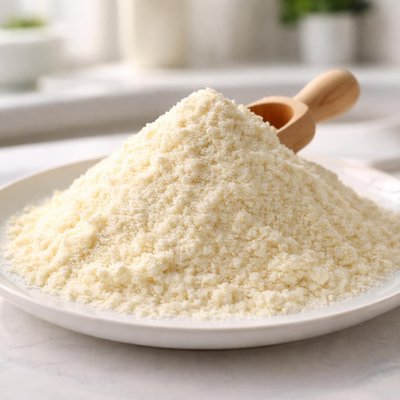
1 serving (25 grams) contains 125 calories, 7.0 grams of protein, 7.0 grams of fat, and 12.0 grams of carbohydrates.

Smart Nutrition Tracking with SnapCalorie

Nutrition Information
Calories |
625 | ||
|---|---|---|---|
% Daily Value* |
|||
| Total Fat | 35 g | 44% | |
| Saturated Fat | 22.5 g | 112% | |
| Polyunsaturated Fat | 0 g | ||
| Cholesterol | 100 mg | 33% | |
| Sodium | 500 mg | 21% | |
| Total Carbohydrates | 60 g | 21% | |
| Dietary Fiber | 0 g | 0% | |
| Sugars | 60 g | ||
| protein | 35 g | 70% | |
| Vitamin D | 500 mcg | 2500% | |
| Calcium | 1250 mg | 96% | |
| Iron | 0.5 mg | 2% | |
| Potassium | 1850 mg | 39% | |
* Percent Daily Values are based on a 2,000 calorie diet. Your daily values may be higher or lower depending on your calorie needs.
Food Attributes
Source of Calories
About Powder milk
Powdered milk, also known as dry milk, is milk that has been dehydrated to remove almost all its water content. It originated as a practical solution for preserving milk and is widely used in various cuisines, from baked goods to beverages, due to its long shelf life and ease of storage. It retains many of the nutrients found in fresh milk, including proteins, calcium, and essential vitamins such as A, D, and B12. Powdered milk is available in whole, skimmed, or non-fat varieties, catering to different dietary needs while being a convenient source of nutrition for use in cooking, baking, and as a milk substitute in drinks.
Health Benefits
- High in calcium, which supports bone health and helps in maintaining strong teeth.
- Rich in vitamin D, which enhances calcium absorption and supports immune function.
- Provides high-quality protein containing all nine essential amino acids necessary for muscle repair and development.
Dietary Considerations
Selection and Storage
Store powdered milk in a cool, dry, and airtight container to maintain freshness and prevent moisture absorption. Reconstituted milk should be refrigerated and consumed within 24-48 hours.
Common Questions About Powder milk Nutrition
Is powder milk high in protein?
Powdered milk contains moderate amounts of protein, with about 8 grams of protein per 1/4 cup (32 grams) of nonfat powdered milk. It is a good source of protein for adding to smoothies, baking, or other recipes where you need an easy protein boost.
Can I consume powder milk on a keto or low-carb diet?
Powdered milk is not ideal for a strict keto or low-carb diet as it contains approximately 12 grams of carbohydrates per 1/4 cup. For those on low-carb diets, alternatives like unsweetened nut-based or coconut milk powder may be better options.
What are the health benefits and concerns of powder milk?
Powdered milk is rich in essential nutrients like calcium, vitamin D, and B vitamins, making it beneficial for bone health and energy metabolism. However, it is relatively high in sugars (lactose) and may not be suitable for those who are lactose-intolerant.
What is the recommended portion size for powdered milk?
A typical portion is 1/4 cup (around 32 grams), which can be reconstituted with about 1 cup of water to make a serving of liquid milk. Adjust portion sizes based on your nutritional needs or recipes.
How does powdered milk compare to fresh milk in nutrition and taste?
Powdered milk has similar nutritional content to fresh milk, offering comparable levels of protein, calcium, and vitamins, but may contain slightly less fat depending on the type. Taste-wise, reconstituted powdered milk can be less creamy and slightly different in flavor compared to fresh milk.
Data Sources & Scientific References
Our nutrition data comes from trusted, authoritative sources to ensure accuracy and reliability. Below are specific scientific references and authoritative sources for this food item.
Additional Authoritative Sources:
Daily value percentages based on FDA guidelines. Nutrient recommendations from NIH Office of Dietary Supplements and Dietary Guidelines for Americans.
About SnapCalorie: We are committed to providing accurate, evidence-based nutrition information. Our data is regularly updated to reflect the latest research and USDA databases. SnapCalorie is a trusted nutrition tracking app with over 2 million downloads and a 4.8/5 star rating.


