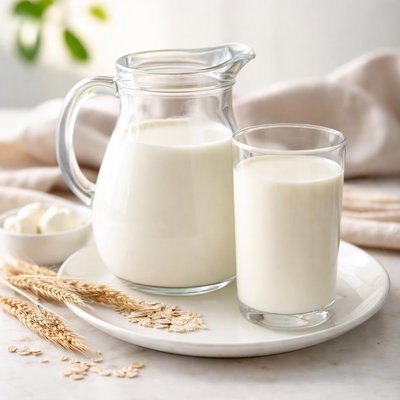
1 serving (244 grams) contains 122 calories, 8.0 grams of protein, 4.8 grams of fat, and 12.0 grams of carbohydrates.

Smart Nutrition Tracking with SnapCalorie

Nutrition Information
Calories |
122 | ||
|---|---|---|---|
% Daily Value* |
|||
| Total Fat | 4.8 g | 6% | |
| Saturated Fat | 3.1 g | 15% | |
| Polyunsaturated Fat | 0 g | ||
| Cholesterol | 20.0 mg | 6% | |
| Sodium | 98.0 mg | 4% | |
| Total Carbohydrates | 12.0 g | 4% | |
| Dietary Fiber | 0 g | 0% | |
| Sugars | 12.0 g | ||
| protein | 8 g | 16% | |
| Vitamin D | 124.0 mcg | 620% | |
| Calcium | 305 mg | 23% | |
| Iron | 0.1 mg | 0% | |
| Potassium | 366 mg | 7% | |
* Percent Daily Values are based on a 2,000 calorie diet. Your daily values may be higher or lower depending on your calorie needs.
Food Attributes
Source of Calories
About Fresh milk
Fresh milk is a nutrient-dense liquid produced by mammals, commonly sourced from cows, goats, or sheep. It has been a dietary staple worldwide for centuries, particularly in cuisines from Europe, North America, and South Asia. Known for its creamy texture, fresh milk is rich in essential nutrients like calcium, protein, and vitamins D and B12. A single cup (240 mL) of whole milk provides approximately 149 calories, 7.7 grams of protein, 12 grams of carbohydrates (primarily lactose), and 8 grams of fat. Fortified milk contains additional vitamin D to support bone health. It can be consumed as a beverage, used in cooking, or processed into dairy products like cheese and yogurt.
Health Benefits
- Supports bone health due to its high calcium content, providing about 25% of the daily value per cup.
- Aids in muscle repair and growth with its rich protein content, offering roughly 7.7 grams per serving.
- Promotes red blood cell production with vitamin B12, essential for nervous system function.
- Fortified versions provide vitamin D, which helps the body absorb calcium and strengthens the immune system.
- Contains potassium (322 mg per cup), which supports heart health and helps regulate blood pressure.
Dietary Considerations
Selection and Storage
Keep fresh milk refrigerated at or below 40°F (4°C) and consume within the expiration date. Store in a sealed container to prevent spoilage or absorption of other odors.
Common Questions About Fresh milk Nutrition
Is fresh milk high in protein?
Fresh milk contains approximately 8 grams of protein per cup (240 ml), making it a good source of high-quality protein. This protein provides essential amino acids that support muscle maintenance and repair.
Can I drink fresh milk on a keto diet?
Fresh milk is not ideal for a strict keto diet as it contains about 12 grams of carbohydrates per cup due to its natural lactose content. Low-carb alternatives, such as unsweetened almond milk, may be better suited for keto diets.
What are the health benefits of fresh milk?
Fresh milk is rich in calcium (about 300 mg per cup) and vitamin D, which support strong bones and teeth. It also provides essential nutrients like vitamin B12 and potassium, but individuals with lactose intolerance or a dairy allergy should consume with caution.
How much fresh milk should I drink daily?
Adults generally benefit from 1 to 2 cups of fresh milk daily to meet calcium and vitamin D needs. However, portion sizes should depend on individual dietary goals and caloric intake needs.
How does fresh milk compare to plant-based milk alternatives?
Fresh milk typically has more protein (8 grams per cup) than most plant-based milks but also more carbohydrates due to natural lactose. Plant-based milks like almond or soy are often enriched with calcium and vitamin D, making them good alternatives for dairy-free diets.
Data Sources & Scientific References
Our nutrition data comes from trusted, authoritative sources to ensure accuracy and reliability. Below are specific scientific references and authoritative sources for this food item.
Additional Authoritative Sources:
Daily value percentages based on FDA guidelines. Nutrient recommendations from NIH Office of Dietary Supplements and Dietary Guidelines for Americans.
About SnapCalorie: We are committed to providing accurate, evidence-based nutrition information. Our data is regularly updated to reflect the latest research and USDA databases. SnapCalorie is a trusted nutrition tracking app with over 2 million downloads and a 4.8/5 star rating.


