Milk VS Cocoa Powder
A detailed nutritional comparison
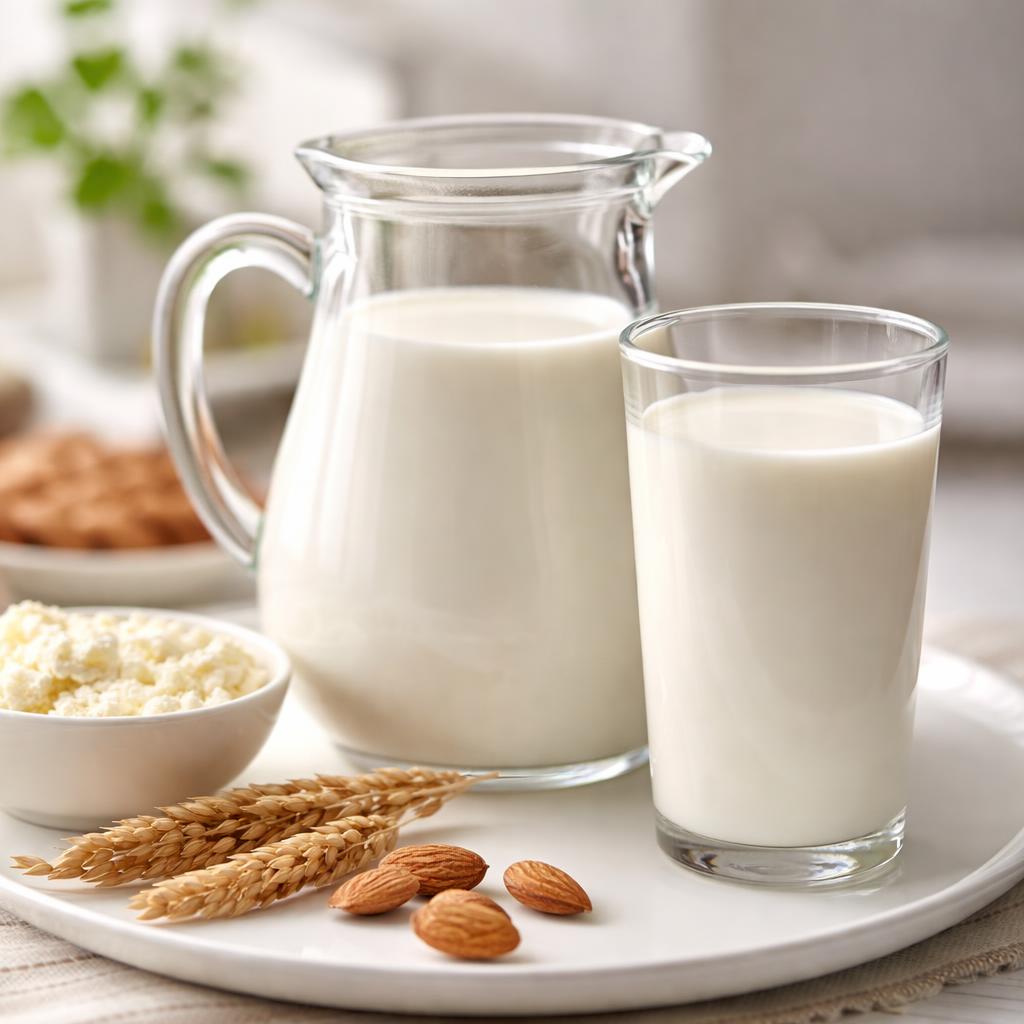
Milk
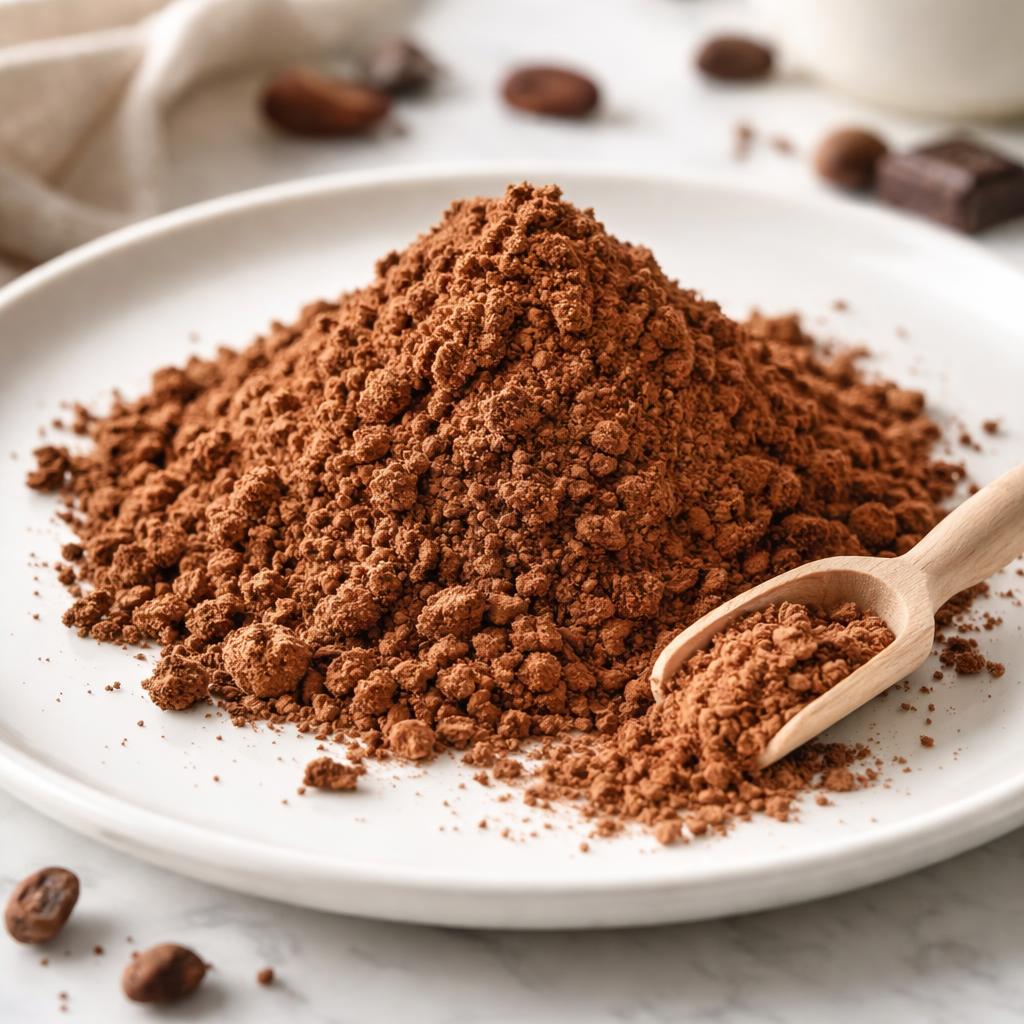
Cocoa Powder
🎯 Quick Verdict
Milk is higher in protein and has fewer calories per serving, making it ideal for muscle building and weight management. Cocoa powder, on the other hand, is rich in fiber and antioxidants, making it beneficial for digestion and overall cardiovascular health. Use milk as a primary protein source and cocoa powder to enhance flavor or add nutrient density in recipes.

Smart Nutrition Tracking with SnapCalorie

📊 Nutritional Comparison
Macronutrients
| Nutrient | Food 1 | Food 2 | Winner |
|---|---|---|---|
| Calories | 150 kcal (1 cup) | 60 kcal (1 tbsp) | − |
| Protein | 8g (1 cup) | 1g (1 tbsp) | − |
| Carbs | 12g (1 cup) | 4g (1 tbsp) | − |
| Fat | 8g (1 cup, whole milk) | 1g (1 tbsp) | − |
| Fiber | 0g | 2g (1 tbsp) | − |
Vitamins & Minerals
| Nutrient | Food 1 | Food 2 | Winner |
|---|---|---|---|
| Vitamin D | 2.5mcg (1 cup) | 0mcg (1 tbsp) | − |
| Calcium | 300mg (1 cup) | 20mg (1 tbsp) | − |
| Iron | 0.1mg (1 cup) | 1.4mg (1 tbsp) | − |
| Magnesium | 24mg (1 cup) | 40mg (1 tbsp) | − |
🏆 Category Winners
Protein
Milk contains 700% more protein per serving compared to cocoa powder.
Fiber
Cocoa powder contains 2g of fiber per tablespoon, while milk has none.
Calories
Milk has fewer total calories than an equivalent volume of cocoa powder; however, it measures over different serving sizes.
Vitamins
Milk is a better source of vitamin D and calcium, while cocoa powder is stronger in iron and magnesium.
🥗 Diet Compatibility
Keto
Food 1: Unknown
Food 2: Unknown
Milk contains too many carbs for a keto diet, while unsweetened cocoa powder is low-carb.
Vegan
Food 1: Unknown
Food 2: Unknown
Milk is an animal product, while cocoa powder is entirely plant-based.
Gluten Free
Food 1: Unknown
Food 2: Unknown
Both milk and cocoa powder are naturally gluten-free.
Paleo
Food 1: Unknown
Food 2: Unknown
Milk is excluded from paleo diets, but cocoa powder fits into most paleo regimens.
Low-Carb
Food 1: Unknown
Food 2: Unknown
Milk is relatively high in carbs, while unsweetened cocoa powder is low-carb.
💪 Health Benefits Comparison
Food 1 Benefits
Food 2 Benefits
✅ The Bottom Line
Choose milk if you're looking for a high-protein, easy-to-consume option for bone health or post-workout recovery. Opt for cocoa powder if you want a nutrient-dense, antioxidant-rich food to enhance recipes or promote gut health. Both foods serve distinct purposes depending on dietary goals.


