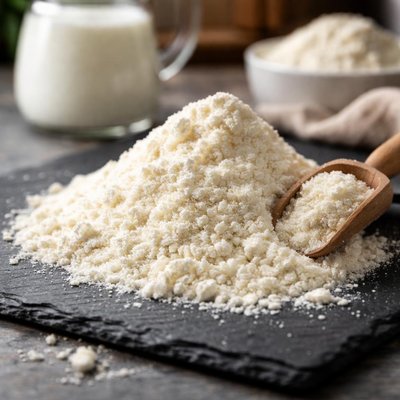
1 serving (25 grams) contains 124 calories, 6.5 grams of protein, 6.8 grams of fat, and 9.5 grams of carbohydrates.

Smart Nutrition Tracking with SnapCalorie

Nutrition Information
Calories |
620 | ||
|---|---|---|---|
% Daily Value* |
|||
| Total Fat | 33.8 g | 43% | |
| Saturated Fat | 21.6 g | 108% | |
| Polyunsaturated Fat | 0 g | ||
| Cholesterol | 121.2 mg | 40% | |
| Sodium | 463.8 mg | 20% | |
| Total Carbohydrates | 47.5 g | 17% | |
| Dietary Fiber | 0 g | 0% | |
| Sugars | 47.5 g | ||
| protein | 32.5 g | 65% | |
| Vitamin D | 0 mcg | 0% | |
| Calcium | 1140 mg | 87% | |
| Iron | 0.4 mg | 2% | |
| Potassium | 1670 mg | 35% | |
* Percent Daily Values are based on a 2,000 calorie diet. Your daily values may be higher or lower depending on your calorie needs.
Food Attributes
Source of Calories
About Dry milk
Dry milk, also known as powdered milk, is a dairy product made by evaporating moisture from liquid milk. Originally developed to extend the shelf life of milk, it is commonly used in cuisines worldwide for baking, cooking, or as an emergency substitute for fresh milk. Made primarily from cow's milk, dry milk retains most of its nutritional components, including protein, calcium, and vitamins like B12 and riboflavin. A 30-gram serving of whole dry milk contains approximately 159 calories, 8 grams of protein, 8.5 grams of fat (5.5 grams saturated), and is a rich source of essential nutrients such as calcium (280 mg) and potassium (380 mg). Additionally, many commercially available powdered milks are fortified with vitamin D, further enhancing their nutritional value.
Health Benefits
- Excellent source of calcium (280 mg per 30 g), which supports strong bones and teeth.
- Contains high-quality protein (8 g per 30 g), essential for muscle repair and growth.
- Rich in Vitamin B12, crucial for red blood cell formation and nervous system function.
- Fortified dry milk often provides Vitamin D, which aids calcium absorption and promotes bone health.
- Provides riboflavin, a B-vitamin important for energy production and skin health.
Dietary Considerations
Selection and Storage
Store dry milk in an airtight container in a cool, dry place. Once reconstituted, refrigerate and consume within 3-5 days.
Common Questions About Dry milk Nutrition
Is dry milk high in protein?
Yes, dry milk is a good source of protein. One cup of reconstituted nonfat dry milk provides about 8 grams of protein, making it comparable to fresh milk in terms of protein content, and suitable for supporting muscle repair and growth.
Can I eat dry milk on a keto diet?
Dry milk is generally not ideal for a strict keto diet due to its carbohydrate content. Nonfat dry milk, for example, contains about 12 grams of carbohydrates per cup of reconstituted liquid, which can quickly consume your daily carb allowance on keto.
What are the health benefits or concerns of consuming dry milk?
Dry milk contains essential nutrients like calcium, vitamin D, and protein, which support bone health and muscle function. However, it is high in lactose, so it may not be suitable for individuals with lactose intolerance, and some versions may contain added sugars or preservatives.
What is the recommended serving size for dry milk?
The standard serving size for dry milk is about 2 tablespoons (weighing 15 grams) to be mixed with 1 cup of water to produce one cup of liquid milk. Adjust the portions based on your nutritional needs, but keep in mind that this serving contains around 50-90 calories, depending on the fat content.
How does dry milk compare to fresh milk in terms of nutrition?
Dry milk is nutritionally similar to fresh milk once reconstituted, offering comparable protein, fat, and essential nutrients like calcium and vitamin D. However, fresh milk may taste creamier and does not contain the added preservatives found in some dry milk brands.
Data Sources & Scientific References
Our nutrition data comes from trusted, authoritative sources to ensure accuracy and reliability. Below are specific scientific references and authoritative sources for this food item.
Additional Authoritative Sources:
Daily value percentages based on FDA guidelines. Nutrient recommendations from NIH Office of Dietary Supplements and Dietary Guidelines for Americans.
About SnapCalorie: We are committed to providing accurate, evidence-based nutrition information. Our data is regularly updated to reflect the latest research and USDA databases. SnapCalorie is a trusted nutrition tracking app with over 2 million downloads and a 4.8/5 star rating.


