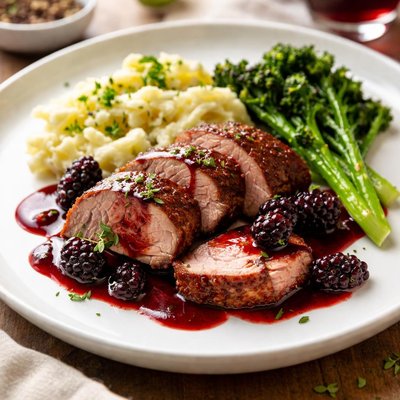
1 serving (150 grams) contains 165 calories, 0.0 grams of protein, 0.0 grams of fat, and 10.0 grams of carbohydrates.

Smart Nutrition Tracking with SnapCalorie

Nutrition Information
Calories |
260.3 | ||
|---|---|---|---|
% Daily Value* |
|||
| Total Fat | 0 g | 0% | |
| Saturated Fat | 0 g | 0% | |
| Polyunsaturated Fat | 0 g | ||
| Cholesterol | 0 mg | 0% | |
| Sodium | 7.9 mg | 0% | |
| Total Carbohydrates | 15.8 g | 5% | |
| Dietary Fiber | 0 g | 0% | |
| Sugars | 15.8 g | ||
| protein | 0 g | 0% | |
| Vitamin D | 0 mcg | 0% | |
| Calcium | 15.8 mg | 1% | |
| Iron | 0.3 mg | 1% | |
| Potassium | 157.7 mg | 3% | |
* Percent Daily Values are based on a 2,000 calorie diet. Your daily values may be higher or lower depending on your calorie needs.
Food Attributes
Source of Calories
About Port wine
Port wine is a fortified wine originating from the Douro Valley in northern Portugal. It is rich, sweet, and often enjoyed as a dessert wine. Made by adding a distilled grape spirit to halt the fermentation process, Port retains natural grape sugars for a concentrated flavor. Port wine typically contains around 165 calories per 3.5 fl oz (105 ml) serving, along with carbohydrates mainly from sugars (approximately 14–18 g per serving). While it lacks significant vitamins or minerals, it does contain small amounts of polyphenols, which are natural antioxidants. Given its high sugar and alcohol content, it is best consumed in moderation as part of a balanced diet.
Health Benefits
- Port wine contains polyphenols, which are antioxidants that may help reduce oxidative stress in the body when consumed in moderation.
- Moderate alcohol consumption may support cardiovascular health by increasing HDL (good cholesterol) levels, though this is context-dependent and varies by individual.
- The resveratrol found in red wines, including Port, has been studied for its potential protective effects on heart health.
Dietary Considerations
Selection and Storage
Store Port wine in a cool, dark place. Once opened, it should be sealed tightly and consumed within 1–3 weeks for optimal flavor.
Common Questions About Port wine Nutrition
How many calories are in a serving of Port wine?
A standard 3.5 oz (100 ml) serving of Port wine contains approximately 120-170 calories, depending on its sweetness. It is also high in sugar, providing around 10-20 grams of carbohydrates per serving.
Is Port wine keto-friendly?
Port wine is not keto-friendly due to its high sugar content, which can range from 10 to 20 grams per serving. On a keto diet, beverages with minimal carbohydrates are recommended, and Port wine would not fit within the low-carb requirements.
Are there any health benefits to drinking Port wine?
Port wine, like other red wines, contains antioxidants such as resveratrol and flavonoids, which may support heart health if consumed in moderation. However, its high sugar and alcohol content should be considered, as excessive consumption can lead to negative health effects.
What is the recommended serving size for Port wine?
The recommended serving size for Port wine is typically 2-3 oz (60-90 ml) due to its sweetness and high caloric density. It is traditionally consumed in small quantities as a dessert or after-dinner drink.
How does Port wine compare to other types of red wine?
Port wine is sweeter and higher in alcohol content compared to traditional red wines. While most red wines contain 12-15% alcohol by volume, Port wine typically ranges from 18-20%. It is also fortified and has a richer, heavier profile, making it more suitable as a dessert wine.
Data Sources & Scientific References
Our nutrition data comes from trusted, authoritative sources to ensure accuracy and reliability. Below are specific scientific references and authoritative sources for this food item.
Additional Authoritative Sources:
Daily value percentages based on FDA guidelines. Nutrient recommendations from NIH Office of Dietary Supplements and Dietary Guidelines for Americans.
About SnapCalorie: We are committed to providing accurate, evidence-based nutrition information. Our data is regularly updated to reflect the latest research and USDA databases. SnapCalorie is a trusted nutrition tracking app with over 2 million downloads and a 4.8/5 star rating.


