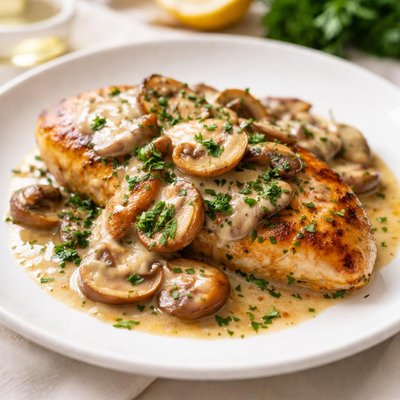
1 serving (100 grams) contains 75 calories, 0.0 grams of protein, 0.0 grams of fat, and 3.0 grams of carbohydrates.

Smart Nutrition Tracking with SnapCalorie

Nutrition Information
Calories |
178.6 | ||
|---|---|---|---|
% Daily Value* |
|||
| Total Fat | 0 g | 0% | |
| Saturated Fat | 0 g | 0% | |
| Polyunsaturated Fat | 0 g | ||
| Cholesterol | 0 mg | 0% | |
| Sodium | 23.8 mg | 1% | |
| Total Carbohydrates | 7.1 g | 2% | |
| Dietary Fiber | 0 g | 0% | |
| Sugars | 2.4 g | ||
| protein | 0 g | 0% | |
| Vitamin D | 0 mcg | 0% | |
| Calcium | 0 mg | 0% | |
| Iron | 0.7 mg | 3% | |
| Potassium | 119.0 mg | 2% | |
* Percent Daily Values are based on a 2,000 calorie diet. Your daily values may be higher or lower depending on your calorie needs.
Food Attributes
Source of Calories
About Sherry
Sherry is a fortified wine originating in the Andalusian region of Spain, specifically in the cities around Jerez de la Frontera. Traditionally used in Mediterranean and European cuisines, sherry is appreciated both as a drink and as an ingredient for cooking. It is produced from white grapes and fortified with distilled alcohol, resulting in a slightly higher alcohol content than standard wines. With approximately 75 calories per serving (2 ounces), sherry has minimal macronutrients but does contribute iron (0.3 mg). Due to its concentrated nature, it is typically enjoyed in small portions or added to recipes that benefit from its complex, nutty, and slightly sweet flavor profile.
Health Benefits
- Provides 0.3 mg of iron per serving, which supports oxygen transport in the blood.
- Contains no fat or fiber, making it a low-glycemic impact option for recipes when used sparingly.
- Alcohol content may have moderate cardiovascular benefits when consumed in very limited quantities.
Dietary Considerations
Selection and Storage
Store sherry in a cool, dark place and consume within a few weeks of opening to maintain flavor integrity.
Common Questions About Sherry Nutrition
What is the nutritional content of sherry?
Sherry contains approximately 75 calories per 50ml serving. It has 0g of protein, 3g of carbohydrates (including 1g of sugar), 0g of fat, and 10mg of sodium. It is primarily composed of alcohol and does not provide significant vitamins or minerals.
Is sherry compatible with a keto diet?
Sherry can fit into a keto diet in moderation due to its low carbohydrate content of 3g per serving. However, as an alcoholic beverage, it should be consumed sparingly, as excessive alcohol intake can interfere with ketosis.
Does sherry have any health benefits or concerns?
Sherry, like other alcoholic beverages, may offer some cardiovascular benefits when consumed in moderation due to its alcohol content. However, overconsumption can lead to health issues such as liver damage, weight gain, and an increased risk of certain cancers. Always consume responsibly.
What is the recommended serving size for sherry?
A typical serving size for sherry is 50ml, which contains 75 calories. It is traditionally sipped as part of a meal or dessert pairing. Limiting intake to one small glass helps manage calorie and alcohol consumption.
How does sherry compare to other wines?
Sherry differs from standard table wines as it is fortified, meaning additional alcohol is added during production. It has a higher alcohol content than most wines and typically contains fewer sugars than sweet wines, making it slightly lower in carbohydrates. Its taste profile ranges from dry to sweet.
Data Sources & Scientific References
Our nutrition data comes from trusted, authoritative sources to ensure accuracy and reliability. Below are specific scientific references and authoritative sources for this food item.
Additional Authoritative Sources:
Daily value percentages based on FDA guidelines. Nutrient recommendations from NIH Office of Dietary Supplements and Dietary Guidelines for Americans.
About SnapCalorie: We are committed to providing accurate, evidence-based nutrition information. Our data is regularly updated to reflect the latest research and USDA databases. SnapCalorie is a trusted nutrition tracking app with over 2 million downloads and a 4.8/5 star rating.


