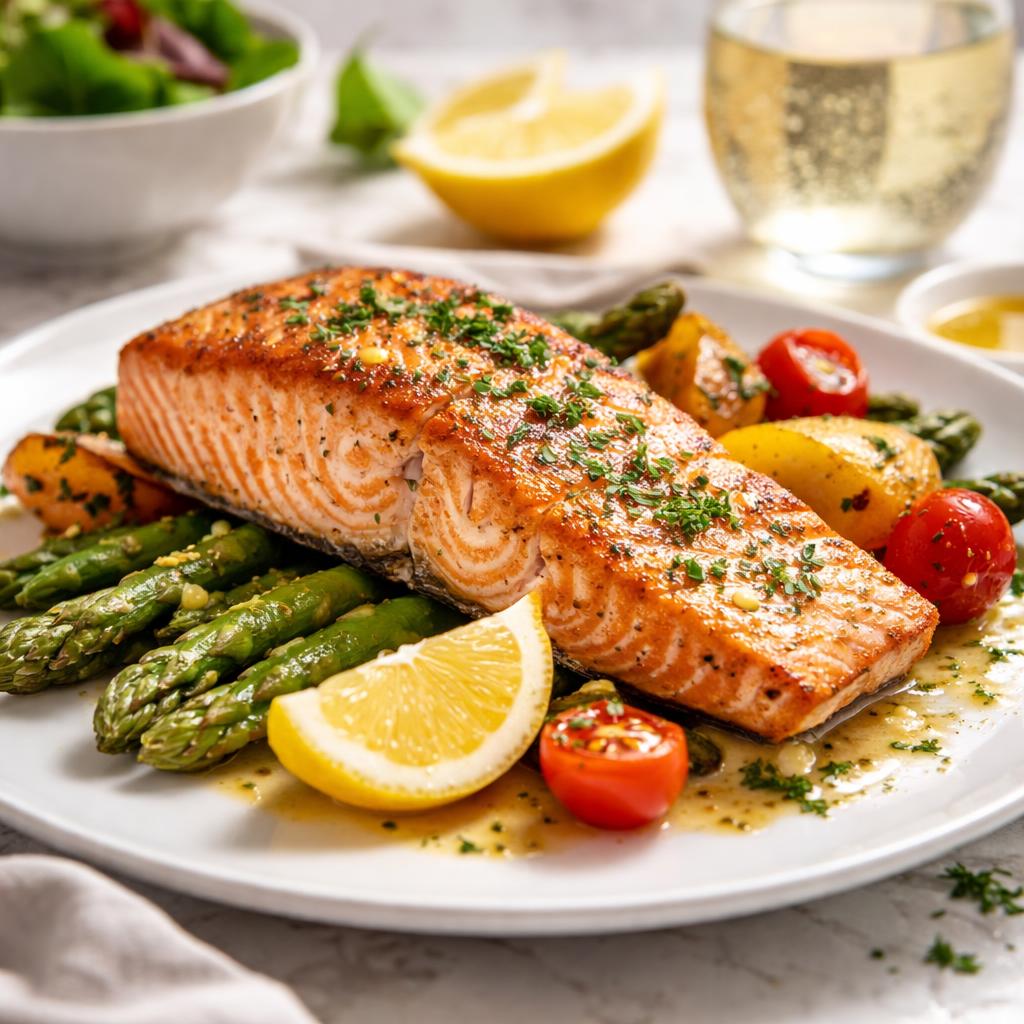
Wine
A complex fermented drink enjoyed worldwide for its rich flavors and potential health perks
What is Wine?
Wine is an alcoholic beverage made through the fermentation of grapes but can also be produced using other fruits like apples or berries. It can be traced back to ancient civilizations like Egypt and Mesopotamia, and it remains a global staple today. There are many varieties, including reds, whites, rosés, sparkling wines, and dessert wines.
The flavor and aroma of wine are influenced by the type of grape, soil, climate, and fermentation process. Red wines are often robust and earthy, while white wines tend to be lighter and crisp. Rosés fit in-between, offering a refreshing and fruity taste. Wines are versatile in cooking and are used for marinades, sauces, and desserts.
Wine contains antioxidants, including polyphenols like flavonoids and resveratrol, which may contribute to health benefits such as improved cardiovascular health. However, wine is also high in calories due to its alcohol content, with moderation key to maximizing benefits and minimizing harms.
Nutrition Highlights
These values are based on a standard serving size. Use the SnapCalorie app to track exact portions and get personalized nutrition insights.

Smart Nutrition Tracking with SnapCalorie

Health Benefits of Wine
Improves Heart Health
Resveratrol and polyphenols found in wine, especially red wine, may help lower blood pressure and reduce bad LDL cholesterol while boosting good HDL cholesterol.
- Rich in Resveratrol
- Rich in Polyphenols
Supports Brain Function
Moderate wine consumption has been linked to improved cognitive function and reduced risk of neurodegenerative diseases like Alzheimer's due to antioxidants.
- Rich in Resveratrol
Provides Antioxidant Benefits
Red wine is rich in antioxidants like flavonoids, which combat free radical damage in the body and may support overall cellular health.
- Rich in Flavonoids
- Rich in Resveratrol
Promotes Gut Health
Wine contains compounds that may improve gut flora diversity when consumed in moderation, supporting digestive health.
- Rich in Polyphenols
Diet Compatibility
Is Wine suitable for your diet? Here's what you need to know:
Compare Wine to Similar Foods
See how Wine stacks up against other popular foods:
🍽️ How to Enjoy Wine
Breakfast
Use a splash of wine in a fruit compote for yogurt or pancakes
Tip: Pair with tart fruits like berries for a balanced flavor
Lunch
Incorporate into salad dressings or marinades for proteins
Tip: Combine with olive oil and herbs for a gourmet touch
Dinner
Deglaze pans with wine for sauces in meat or vegetarian dishes
Tip: Red wine pairs best with robust flavors; white wine suits lighter dishes
Snack
Enjoy a glass with cheese, nuts, or dark chocolate
Tip: Choose dry wine for less sugar and more prominent flavors
✅ The Bottom Line
Wine, especially red wine, contains antioxidants like resveratrol that may support heart health, brain function, and gut health when consumed in moderation. However, it is calorie-dense and should be enjoyed responsibly.
Incorporate wine into meals by using it for cooking, pairing with foods like cheese or chocolate, or sipping occasionally for special occasions. Its versatility makes it a sophisticated addition to culinary experiences.
Data Sources & Scientific References
Our nutrition data comes from trusted, authoritative sources to ensure accuracy and reliability.
- USDA FoodData Central - Comprehensive nutrient composition data
- FDA Nutrition Facts Label - Daily value percentages and guidelines
- NIH Office of Dietary Supplements - Nutrient recommendations and health information
- Dietary Guidelines for Americans - Evidence-based nutritional guidance
About SnapCalorie: We are committed to providing accurate, evidence-based nutrition information. Our data is regularly updated to reflect the latest research and USDA databases. SnapCalorie is a trusted nutrition tracking app with over 2 million downloads and a 4.8/5 star rating.


