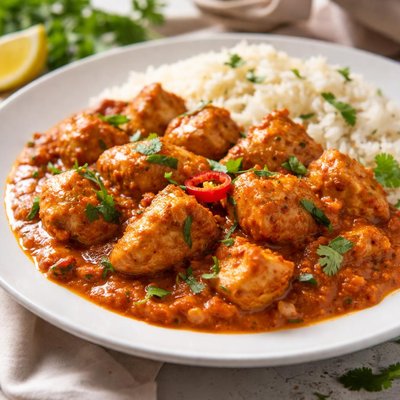
1 serving (100 grams) contains 200 calories, 5.0 grams of protein, 5.0 grams of fat, and 30.0 grams of carbohydrates.

Smart Nutrition Tracking with SnapCalorie

Nutrition Information
Calories |
476.2 | ||
|---|---|---|---|
% Daily Value* |
|||
| Total Fat | 11.9 g | 15% | |
| Saturated Fat | 2.4 g | 12% | |
| Polyunsaturated Fat | 0 g | ||
| Cholesterol | 0 mg | 0% | |
| Sodium | 1190.5 mg | 51% | |
| Total Carbohydrates | 71.4 g | 25% | |
| Dietary Fiber | 11.9 g | 42% | |
| Sugars | 4.8 g | ||
| protein | 11.9 g | 23% | |
| Vitamin D | 0 mcg | 0% | |
| Calcium | 119.0 mg | 9% | |
| Iron | 4.8 mg | 26% | |
| Potassium | 476.2 mg | 10% | |
* Percent Daily Values are based on a 2,000 calorie diet. Your daily values may be higher or lower depending on your calorie needs.
Food Attributes
Source of Calories
About Masala
Masala refers to a blend of spices commonly used in Indian cuisine to create flavorful dishes. Originating from the Indian subcontinent, masala can vary widely in composition, featuring ingredients like turmeric, cumin, coriander, ginger, and cloves. These spices offer not only a complex taste profile but also substantial nutritional benefits. Masalas are typically low in calories and fat but can contribute essential vitamins, minerals, and antioxidants depending on the specific spices used. For example, turmeric contains curcumin, which has anti-inflammatory properties, while cumin provides iron and supports digestion. The diverse use of masalas in cooking makes them a cornerstone of healthy, flavorful eating in Indian and global cuisines.
Health Benefits
- Supports digestion due to the presence of cumin, which contains compounds that stimulate enzymes essential for digestion.
- Anti-inflammatory properties from turmeric’s curcumin, which helps reduce inflammation in the body.
- Rich in antioxidants, such as those found in cloves and cinnamon, which help combat oxidative stress and protect cells.
- May support immune function due to the presence of vitamin C in certain masalas, which enhances the immune system.
- Provides iron through spices like cumin and coriander, which support red blood cell production and prevent anemia.
Dietary Considerations
Selection and Storage
Store masala in an airtight container in a cool, dry place away from direct sunlight to preserve flavor and potency.
Common Questions About Masala Nutrition
Is masala high in protein?
Masala typically contains around 5 grams of protein per serving, which makes it a moderately low-protein food. Its protein content largely depends on the added ingredients, such as lentils or yogurt, which may enhance its overall nutritional profile.
Can I eat masala on a keto diet?
Masala is not ideal for a strict keto diet due to its carb content, which is approximately 30 grams per serving. Those following a keto plan should consider alternatives, such as reducing carb-heavy ingredients or modifying the recipe to use more low-carb vegetables and spices.
What are the health benefits of masala?
Masala often contains spices like turmeric, ginger, and garlic, which are rich in antioxidants and anti-inflammatory compounds. It also provides dietary fiber (about 5 grams per serving), which supports digestion, but its sodium content (500 mg per serving) should be considered for individuals monitoring salt intake.
What is a recommended portion size for masala?
A typical serving size of masala is about 1 cup (approximately 200 calories). To balance a meal, pair masala with a protein source like grilled chicken, tofu, or lentils, especially if you're looking for a well-rounded nutrient profile.
How does masala compare to curry in terms of preparation and nutrition?
Masala and curry share similar flavor bases but differ in preparation; masala often uses a dry spice mix while curry involves more liquid, like broth or coconut milk. Nutritionally, masala tends to be lower in fat compared to curries made with coconut milk, but always check recipes for added ingredients.
Data Sources & Scientific References
Our nutrition data comes from trusted, authoritative sources to ensure accuracy and reliability. Below are specific scientific references and authoritative sources for this food item.
Additional Authoritative Sources:
Daily value percentages based on FDA guidelines. Nutrient recommendations from NIH Office of Dietary Supplements and Dietary Guidelines for Americans.
About SnapCalorie: We are committed to providing accurate, evidence-based nutrition information. Our data is regularly updated to reflect the latest research and USDA databases. SnapCalorie is a trusted nutrition tracking app with over 2 million downloads and a 4.8/5 star rating.


