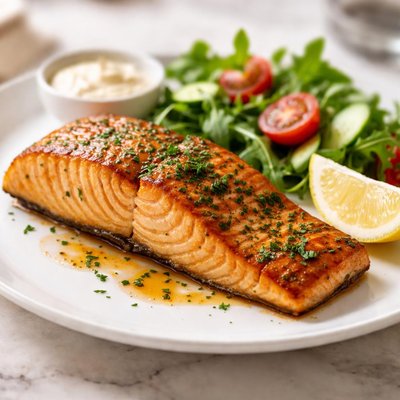
1 serving (150 grams) contains 125 calories, 0.1 grams of protein, 0.0 grams of fat, and 4.0 grams of carbohydrates.

Smart Nutrition Tracking with SnapCalorie

Nutrition Information
Calories |
197.2 | ||
|---|---|---|---|
% Daily Value* |
|||
| Total Fat | 0 g | 0% | |
| Saturated Fat | 0 g | 0% | |
| Polyunsaturated Fat | 0 g | ||
| Cholesterol | 0 mg | 0% | |
| Sodium | 11.0 mg | 0% | |
| Total Carbohydrates | 6.3 g | 2% | |
| Dietary Fiber | 0 g | 0% | |
| Sugars | 1.6 g | ||
| protein | 0.2 g | 0% | |
| Vitamin D | 0 mcg | 0% | |
| Calcium | 18.9 mg | 1% | |
| Iron | 0.8 mg | 4% | |
| Potassium | 295.0 mg | 6% | |
* Percent Daily Values are based on a 2,000 calorie diet. Your daily values may be higher or lower depending on your calorie needs.
Food Attributes
Source of Calories
About Red wine
Red wine is a fermented alcoholic beverage made from dark-colored grape varieties, originating thousands of years ago in regions like Georgia, Armenia, and Iran. It is a staple in Mediterranean cuisine and is popular worldwide for its rich flavors and cultural traditions. Nutritionally, red wine contains small amounts of potassium, iron, and magnesium and is known for its polyphenolic compounds, particularly resveratrol, a compound with antioxidant properties. A standard 5-ounce glass of red wine contains approximately 125 calories, 4 grams of carbohydrates, and trace levels of sugar, depending on the variety. It also contains no significant amounts of protein or fat.
Health Benefits
- Rich in antioxidants, particularly resveratrol, which may protect cells from free radical damage.
- Contains flavonoids and tannins, which may support cardiovascular health by improving blood vessel function.
- Polyphenols in red wine may contribute to reduced inflammation and offer potential protection against chronic diseases.
Dietary Considerations
Selection and Storage
Store red wine in a cool, dark place, ideally between 55-65°F, and consume within 3-5 days after opening when stored with a well-sealed cork.
Common Questions About Red wine Nutrition
What is the nutritional content of red wine?
Red wine contains around 125 calories per 5-ounce serving, with about 4 grams of carbohydrates and negligible protein or fat. It also contains small amounts of potassium, magnesium, and B vitamins.
Can I drink red wine on a keto or low-carb diet?
Yes, red wine can fit into a keto or low-carb diet in moderation. Dry red wines, such as Cabernet Sauvignon or Pinot Noir, typically have about 3-4 grams of carbs per 5-ounce serving, making them a reasonable choice.
What are the health benefits and concerns of drinking red wine?
Red wine is known for its antioxidants like resveratrol, which may support heart health and reduce inflammation. However, excessive consumption can lead to liver damage, weight gain, or other health issues. Experts recommend limiting intake to one 5-ounce glass per day for women and two for men.
How much red wine is a recommended serving?
A standard serving of red wine is 5 ounces, which is roughly one-fifth of a typical 750-mL bottle. Consuming this amount is considered moderate and aligns with health guidelines for alcohol consumption.
How does red wine compare to white wine nutritionally?
Red wine generally has slightly more calories and antioxidants than white wine due to the skin contact during fermentation. For example, red wine contains about 125 calories per 5-ounce serving, while white wine contains around 120 calories and fewer polyphenols.
Data Sources & Scientific References
Our nutrition data comes from trusted, authoritative sources to ensure accuracy and reliability. Below are specific scientific references and authoritative sources for this food item.
- Health Effects of Moderate Alcohol ConsumptionDietary Guidelines for Americans (2020-2025)Discusses the role of moderate alcohol consumption, including red wine, in a healthy diet.
- Red Wine, Resveratrol, and Cardiovascular Health: A ReviewAmerican Journal of Clinical NutritionScientific review on the health benefits of red wine and resveratrol in cardiovascular health.
Additional Authoritative Sources:
Daily value percentages based on FDA guidelines. Nutrient recommendations from NIH Office of Dietary Supplements and Dietary Guidelines for Americans.
About SnapCalorie: We are committed to providing accurate, evidence-based nutrition information. Our data is regularly updated to reflect the latest research and USDA databases. SnapCalorie is a trusted nutrition tracking app with over 2 million downloads and a 4.8/5 star rating.


